
Africa’s Oil Exploration Slows as Active Rig Count Drops 15% in Two Years
By Godwin Paul
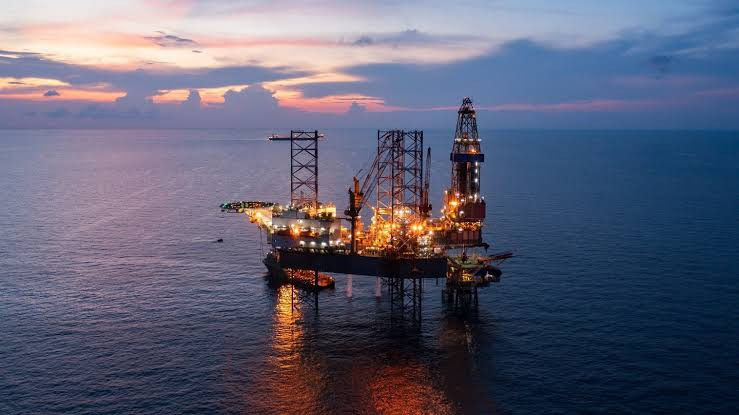
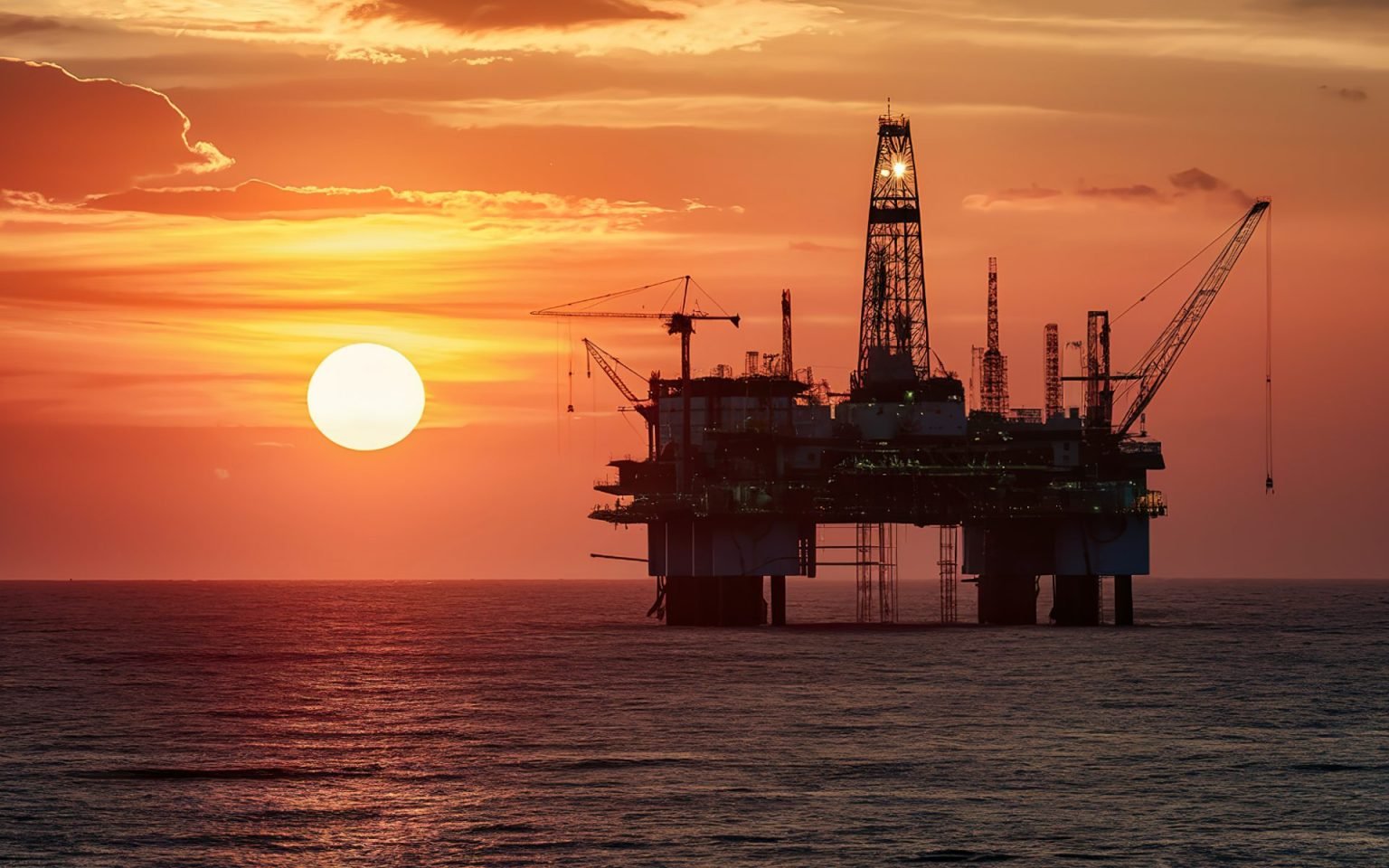
Oil exploration activity across Africa continued to weaken in 2025 as the continent’s active drilling rig count fell to its lowest level in recent years, highlighting persistent challenges in attracting upstream investments despite stronger crude oil prices.
Latest global drilling data showed that Africa’s active rig count declined to 44 rigs in 2025, down from 52 rigs in 2024 and 67 rigs in 2023. This represents a 15.4 per cent year-on-year decline and a cumulative 34.3 per cent drop over the two-year period.
Although the number of active rigs recovered modestly to 48 rigs in April and May 2026, exploration activity remains well below 2023 levels, suggesting that investment in new oil discoveries across the continent is yet to regain momentum.
The decline comes at a time when many African producers are seeking to increase crude output to meet rising global demand and capitalize on relatively firm international oil prices.
Investment challenges
The falling rig count reflects the cautious spending pattern of international oil companies and independent operators amid higher exploration costs, energy transition pressures, financing constraints and regulatory uncertainties in several African producing countries.
A lower rig count generally indicates fewer exploration and development wells being drilled, which could affect future crude oil production if new reserves are not discovered and existing fields are not replenished.
Industry analysts note that sustained exploration is critical for Africa, where many mature oil fields are experiencing natural production decline.
Algeria leads exploration
Among African producers, Algeria remained the continent’s most active exploration market.
The North African producer operated 43 rigs in 2025, up from 42 rigs in 2024, before easing slightly to 41 rigs in May 2026.
Algeria alone accounted for almost all of the increase recorded among African producers, reflecting continued government efforts to expand upstream investment and boost hydrocarbon production.
Nigeria records mixed performance
Nigeria experienced a more volatile drilling pattern.
The country’s active rig count declined from 15 rigs in 2024 to 13 rigs in 2025, indicating weaker exploration and field development activity during the year.
However, activity rebounded significantly in 2026.
Nigeria’s rig count rose from 12 rigs in April 2026 to 17 rigs in May 2026, representing one of the strongest monthly increases among major oil-producing countries.
The rebound coincides with renewed upstream investment, improved security in parts of the Niger Delta and ongoing efforts by the government to raise crude oil production above 1.7 million barrels per day.
Other African producers
Libya maintained a stable drilling programme with 18 active rigs throughout 2025 and May 2026.
Gabon also showed signs of gradual recovery, increasing its active rigs from three in 2025 to six rigs in May 2026.
Congo remained unchanged with two active rigs, while Equatorial Guinea continued to record no active drilling rigs, reflecting limited exploration activity.
Global drilling activity declines
Africa’s slowdown mirrors a broader global trend.
Worldwide active rig count fell from 2,019 rigs in 2024 to 1,890 rigs in 2025, a decline of 129 rigs.
Oil-directed rigs recorded the sharpest contraction, dropping from 1,559 to 1,425, while gas rigs slipped marginally from 413 to 409.
Despite the annual decline, global activity showed modest improvement in 2026, with the worldwide rig count rising from 1,799 rigs in April to 1,805 rigs in May.
Implications for Africa
The recovery in Africa’s rig count to 48 rigs in April and May 2026 offers cautious optimism, but analysts say significantly more drilling will be needed to sustain production growth over the long term.
Countries such as Nigeria, Angola, Namibia, Libya and Algeria are counting on increased exploration spending to unlock new reserves, replace declining production from mature fields and strengthen government revenues.
With global oil demand expected to remain resilient over the medium term, industry stakeholders argue that improving fiscal terms, regulatory certainty and investment security will be essential if Africa is to reverse the decline in exploration activity and attract the capital needed to develop its vast hydrocarbon resources.