
COUNTDOWN: 142 Days Since USA-Iran War Began — Falling Oil Prices Signal Easing Global Economic Fears
By Team Countdown
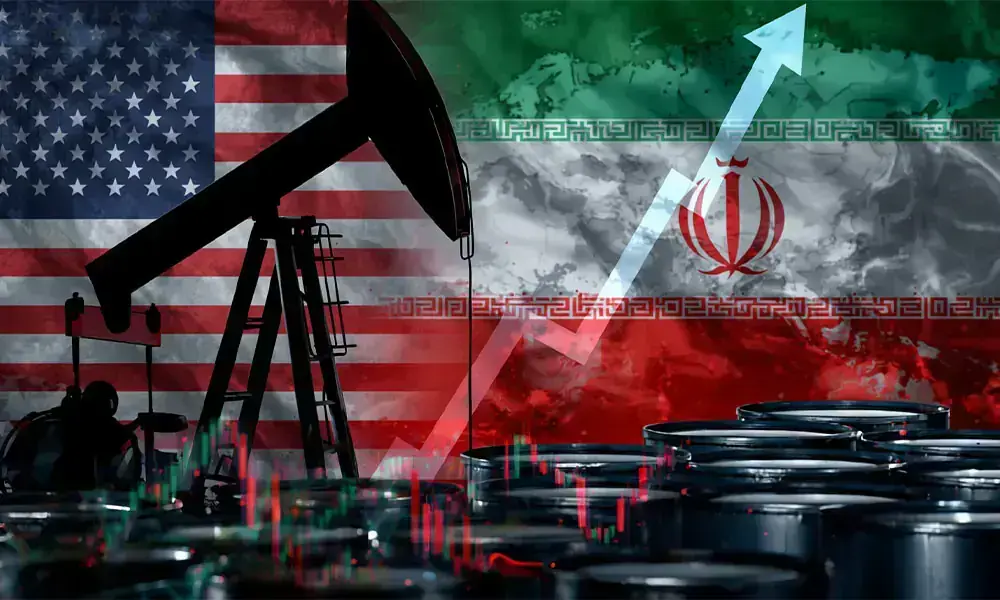
Global oil markets extended their downward trend on Tuesday, signaling that fears of prolonged supply disruptions from the U.S.-Iran conflict may be easing, a development that could provide relief for the global economy after months of heightened geopolitical uncertainty.
Latest market data showed benchmark crude prices retreating, with Brent crude falling 1.41 percent to $87.11 per barrel, while West Texas Intermediate (WTI) dropped 1.63 percent to $81.26 per barrel.
Other major benchmarks also recorded steep declines. Murban crude fell by 13 percent to $84.43 per barrel, while the OPEC Basket slipped 5.4 percent to $97.21 per barrel. The Indian Basket also declined 6.42 percent to $96.70 per barrel, reflecting broad weakness across global energy markets.
Natural gas prices dropped 0.9 percent to $2.742, while gasoline and heating oil futures also edged lower, suggesting expectations of improved energy supply conditions.
The price declines indicate that traders are becoming less concerned about the possibility of severe disruptions to crude exports through the Strait of Hormuz, one of the world’s most strategic oil transit routes.
At the height of tensions between the United States and Iran, fears of attacks on energy infrastructure and shipping lanes had driven oil prices sharply higher, raising concerns about another global inflation shock.
Higher energy prices had increased transportation, manufacturing and electricity costs worldwide, putting pressure on businesses, consumers and governments already struggling with elevated inflation and weak economic growth.
For oil-importing economies, especially across Europe and Asia, expensive crude translated into higher fuel bills, increased production costs and rising food prices, as transportation expenses filtered through supply chains.
Central banks also faced renewed pressure to maintain high interest rates to combat inflation, increasing borrowing costs for businesses and households while slowing investment and economic expansion.
The aviation, shipping, logistics and manufacturing industries were among the sectors most exposed to the surge in energy prices, as fuel represents one of their largest operating costs.
Developing economies suffered even greater pressure because many rely heavily on imported petroleum products. Rising import bills weakened local currencies, widened trade deficits and strained government finances.
Although oil-exporting countries such as Nigeria benefited from stronger crude prices through higher export earnings and improved government revenues, the gains were partly offset by rising domestic fuel costs and inflationary pressures.
The recent retreat in crude prices could therefore ease inflationary concerns if the downward trend is sustained.
Lower energy prices would reduce transportation and production costs, help moderate inflation, ease pressure on central banks to tighten monetary policy and support consumer spending.
The decline could also improve business confidence by reducing uncertainty surrounding global supply chains and lowering operational costs for industries that depend heavily on energy.
However, analysts caution that the geopolitical situation remains fragile. Any renewed military escalation, attacks on oil infrastructure or disruption of shipping through the Strait of Hormuz could quickly reverse the current trend and send oil prices sharply higher again.
For now, the market appears to be pricing in reduced immediate supply risks, offering cautious optimism that one of the biggest threats to the global economy in recent months may be beginning to subside.