
African Energy Chamber Backs UTM FLNG as 15-Year NNPC Ltd./Seplat Gas Deal Paves Way for FID
By Eyo Nsima
The African Energy Chamber (AEC) has endorsed Nigeria’s UTM Offshore following the signing of a 15-year gas supply agreement between the NNPC Ltd./Seplat Energy Producing Nigeria Unlimited (SEPNU) Joint Venture and UTM FLNG Ltd., describing the deal as a major milestone in advancing Nigeria’s first indigenous floating liquefied natural gas (FLNG) project.
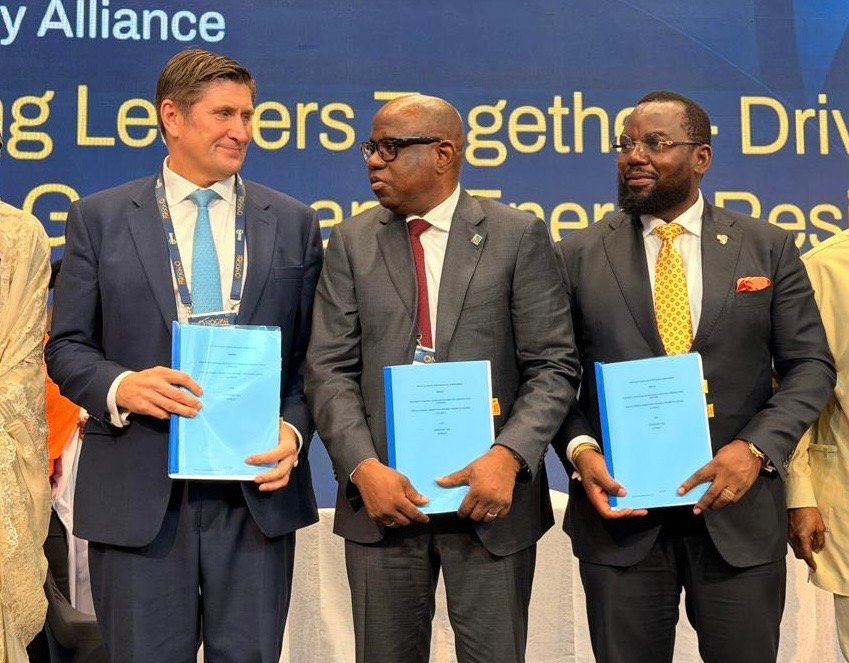
The agreement, signed on the sidelines of the ongoing 25th NOG Energy Week in Abuja on Tuesday, marks a significant step toward commercialising Nigeria’s vast natural gas resources through the execution of a 15-year Wet Gas Sale and Purchase Agreement (WGSPA).
Under the agreement, the NNPC Ltd./SEPNU Joint Venture will supply 200 million standard cubic feet of gas per day (MMscf/d) to the UTM Floating LNG (FLNG) project, providing the long-term feed gas security required to support project financing and position it for a Final Investment Decision (FID) in the fourth quarter of 2026.
Reacting to the development, the AEC said the agreement brings Nigeria’s first indigenous-led FLNG project significantly closer to commercialisation.
According to the Chamber, “The agreement represents one of the final commercial building blocks ahead of a Final Investment Decision, reinforcing confidence in a project that is expected to support Nigeria’s gas monetisation strategy while expanding LNG exports and domestic gas utilisation.”
It added that “The Chamber views the GSA as a significant step toward unlocking Nigeria’s vast offshore gas resources through indigenous leadership and strategic collaboration.”
The Chamber noted that as Africa seeks to maximise the value of its natural gas resources while strengthening energy security and industrial development, projects such as UTM FLNG demonstrate how African companies can lead world-scale energy infrastructure developments.
“Projects such as UTM FLNG demonstrate how African companies can lead world-scale infrastructure developments that generate investment, create jobs and position the continent as a more competitive LNG supplier.”
The AEC stated that the FLNG facility, located in the deepwater Yoho Field offshore Nigeria, is expected to process 176 million standard cubic feet of gas per day once operational.
According to the Chamber, engineering and pre-construction activities have already been completed, with the operator now advancing toward the execution of LNG Sale and Purchase Agreements (SPAs) and the project’s Final Investment Decision following the gas supply agreement milestone.
On financing, the Chamber disclosed that the project has secured debt funding from Afreximbank, alongside equity commitments from NNPC Limited and the Delta State Government.
It added that global engineering firms JGC Holdings and Technip Energies are currently finalising the Engineering, Procurement, Construction, Installation and Commissioning (EPCIC) contract as the project advances toward its targeted first LNG shipment in 2030.
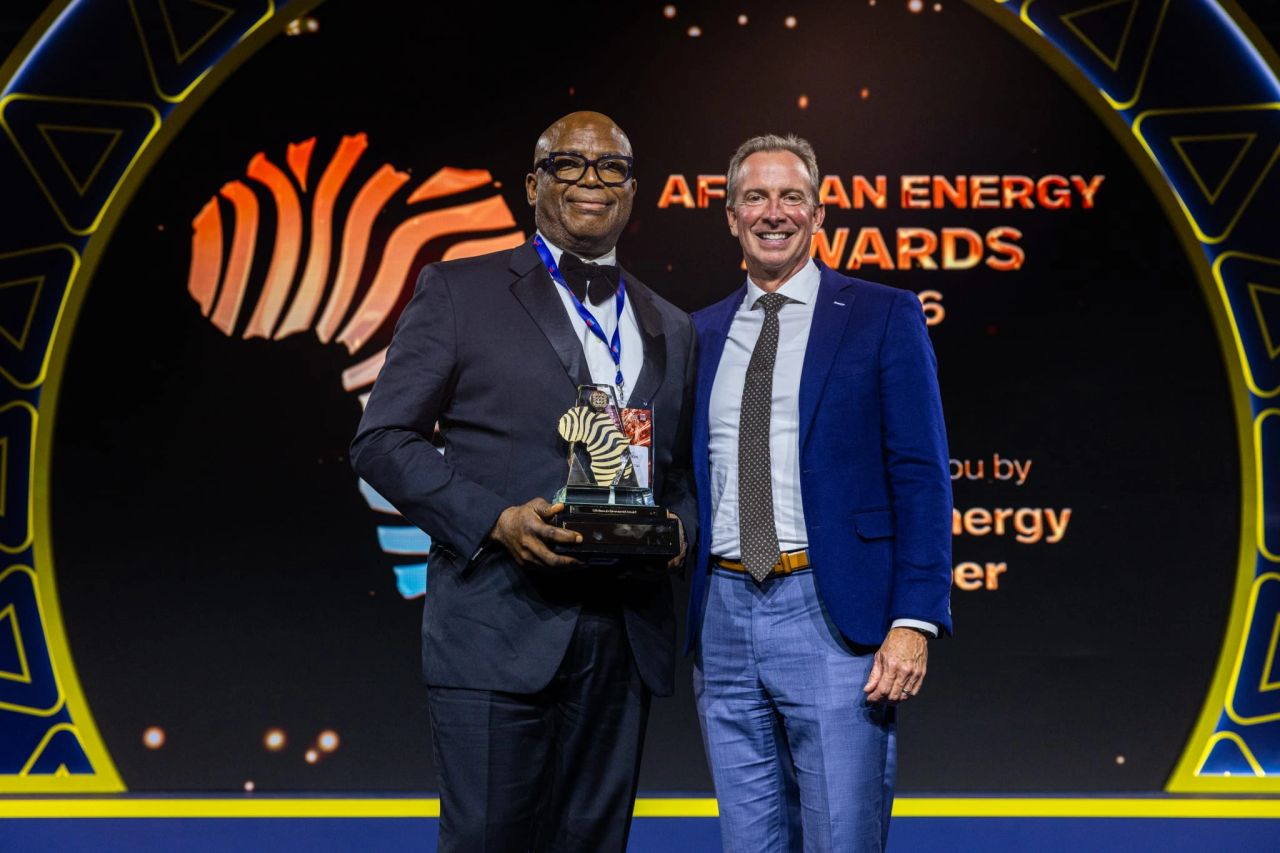
Commenting on the development, NJ Ayuk, Executive Chairman of the African Energy Chamber, said: “The signing of this GSA demonstrates what is possible when indigenous companies, national institutions and private investors work together toward a shared vision. UTM FLNG is more than an LNG project; it is a blueprint for how Africa can commercialise its gas resources through African leadership, create long-term economic value and strengthen energy security while supplying cleaner energy to both domestic and international markets.”
The Chamber noted that progress on the UTM FLNG project comes at a pivotal time for Nigeria’s gas sector as the country intensifies efforts to attract new investments under its Decade of Gas Initiative.
The initiative is aimed at transforming Nigeria into a gas-powered economy by 2030 through increased gas utilisation, reduced gas flaring, improved energy access and the commercialisation of the country’s more than 200 trillion cubic feet of proven natural gas reserves.
According to the AEC, projects such as UTM FLNG are central to achieving these objectives by increasing Nigeria’s LNG export capacity while strengthening its position in global energy markets.
Beyond exports, the Chamber said the project has also been structured to support Nigeria’s domestic energy transition, with approximately 300,000 tonnes of liquefied petroleum gas (LPG) per annum expected to be supplied to the local market, helping to expand access to cleaner cooking fuel and reduce dependence on LPG imports.
Ayuk further welcomed the participation of Seplat Energy in the project, stressing, “It’s great to see companies like Seplat Energy come on board for this strategic project. We believe the FLNG facility will strengthen Nigeria’s position as one of Africa’s leading LNG producers while providing a model for monetising offshore gas resources across the continent. By combining indigenous ownership, strategic partnerships and world-class engineering, the project demonstrates how African-led developments can accelerate industrialisation, reduce gas flaring and unlock greater value from the continent’s abundant natural gas resources.”