
OPEC+ maintains October output as Nigeria strives to increase production
By Eyo Nsima
OPEC+ has maintained October oil production levels for seven major producers, putting the spotlight on Nigeria’s struggle to consistently maximise crude output despite its huge reserves and pressing need for oil revenue.
Saudi Arabia, Russia, Iraq, Kuwait, Kazakhstan, Algeria and Oman agreed at a virtual meeting on September 6 to “maintain September 2026 required production for October 2026” after reviewing “global market conditions and outlook.”
The seven producers also reaffirmed their “collective commitment to achieve full conformity with the Declaration of Cooperation”, reinforcing their strategy of managing supply to support stability in the global oil market.
They added that they would “continue to hold monthly meetings to review market conditions,” with the next meeting scheduled for October 4.
For Nigeria, the decision comes at a critical time. While OPEC+ focuses on managing global supply, Nigeria needs to ensure that every barrel available under its production allocation is actually produced.
Nigeria is not among the seven countries covered by the latest voluntary adjustment, but remains part of the wider OPEC+ framework. Its bigger challenge is production: overcoming operational disruptions, investment constraints and security problems that have historically kept output below potential.
Nigeria’s missed opportunity
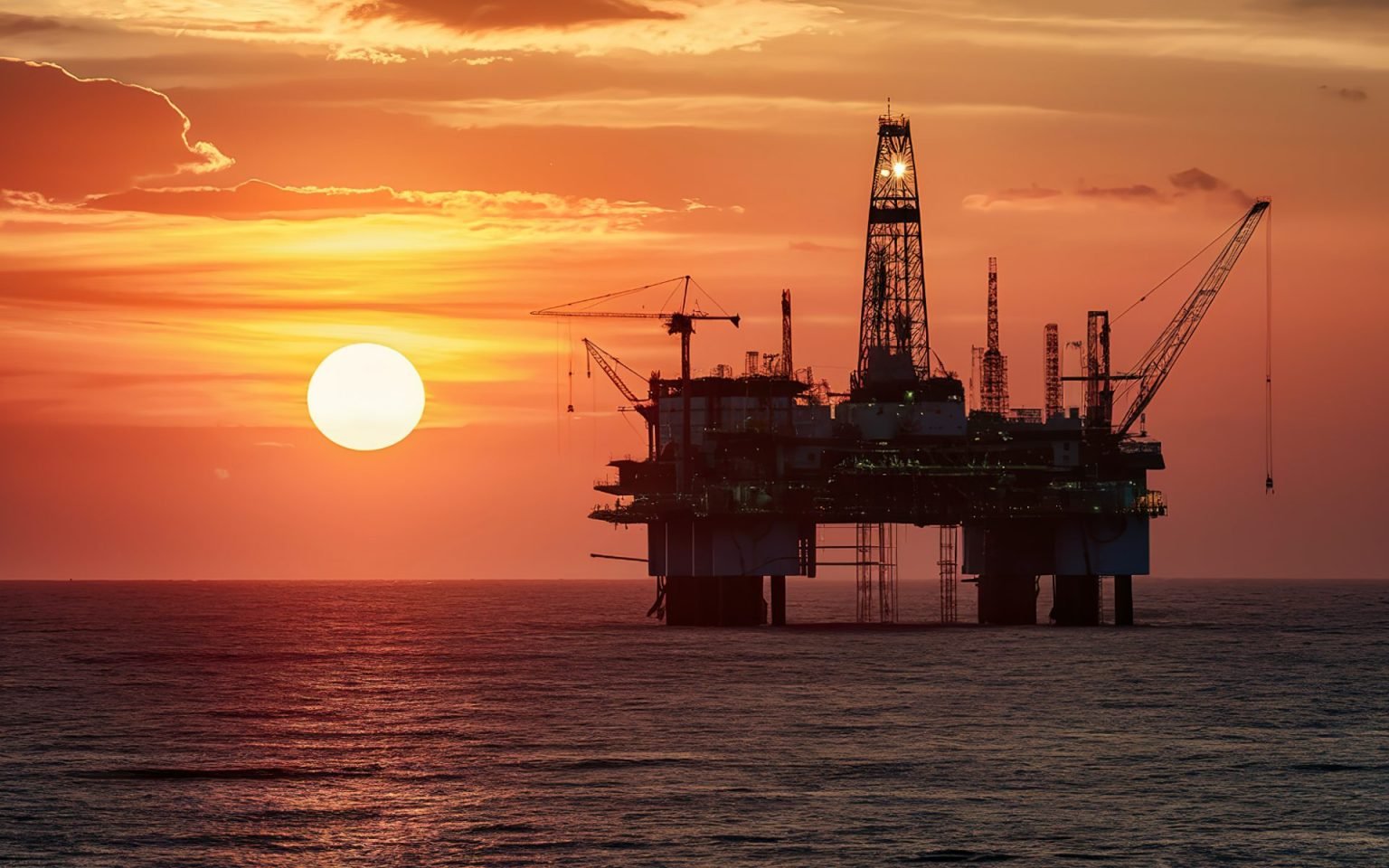
Nigeria has substantial crude reserves but has struggled to translate them into sustained production growth.
Crude theft, pipeline vandalism, ageing infrastructure, underinvestment and technical disruptions have repeatedly knocked barrels off production, limiting government revenue and foreign exchange earnings.
The implication is significant. If OPEC+ supply discipline supports international oil prices, Nigeria stands to earn more from every barrel it exports—but only if it can produce enough barrels to take advantage of the market.
This makes the restoration of shut-in wells, improved asset reliability and faster development of new fields increasingly urgent.
Nigeria must also raise recovery from mature assets and attract fresh capital into deepwater, shallow-water and onshore projects if it is to move beyond merely meeting its OPEC allocation.
Oil revenue, refining at stake
Higher crude production would provide a direct boost to Nigeria’s fiscal position and foreign exchange earnings, with oil still playing a major role in government finances.
It could also support the country’s expanding refining industry by providing more locally produced crude to refineries, including the Dangote refinery and other emerging facilities.
The OPEC+ emphasis on “full conformity” means Nigeria must pursue production growth while remaining within the broader framework governing participating producers.
But the latest decision also gives Nigeria some breathing space. By keeping October output unchanged and committing to monthly reviews, the seven producers have signalled that future adjustments will depend on evolving market conditions.
Nigeria should use that window to strengthen production rather than wait for higher prices to rescue oil revenues.
The country needs to protect existing output, eliminate avoidable production losses and accelerate projects capable of delivering additional barrels.
The October 4 OPEC+ meeting will provide another assessment of the global market.
For Nigeria, however, the more immediate question is whether it can turn its available reserves and production capacity into actual barrels.
As OPEC+ works to stabilise the market, Nigeria’s priority should be maximising production—and converting every additional barrel into revenue, investment and economic growth.