
Opinion: Nigeria’s gas flaring is Africa’s biggest energy contradiction
By Eyo Nsima
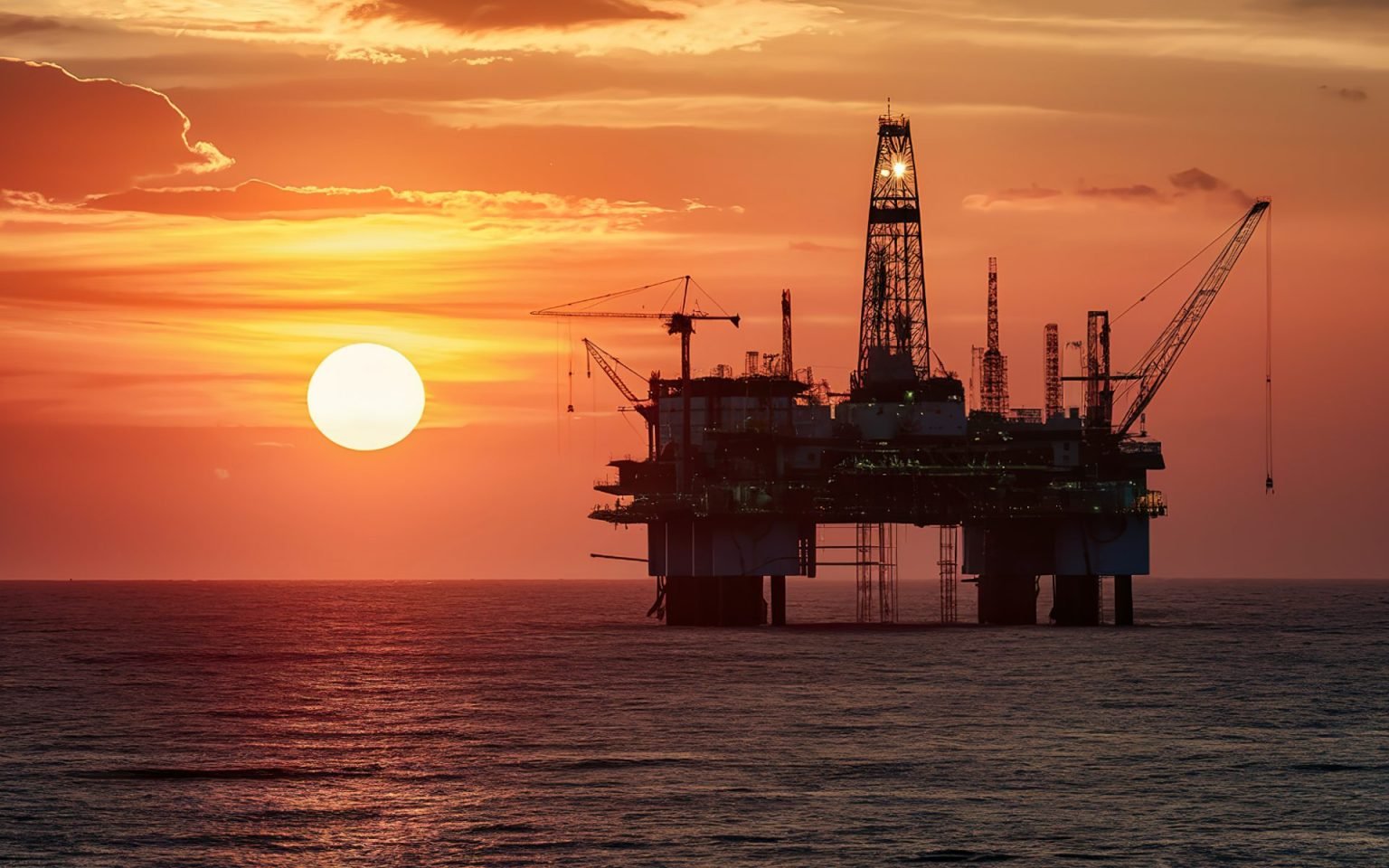
Nigeria’s latest gas production figures tell two very different stories. The first is encouraging: the country utilised more than 92 per cent of the 1.426 trillion standard cubic feet (tscf) of gas it produced in the first half of 2026, demonstrating steady progress in commercialising one of Africa’s largest natural gas resources.
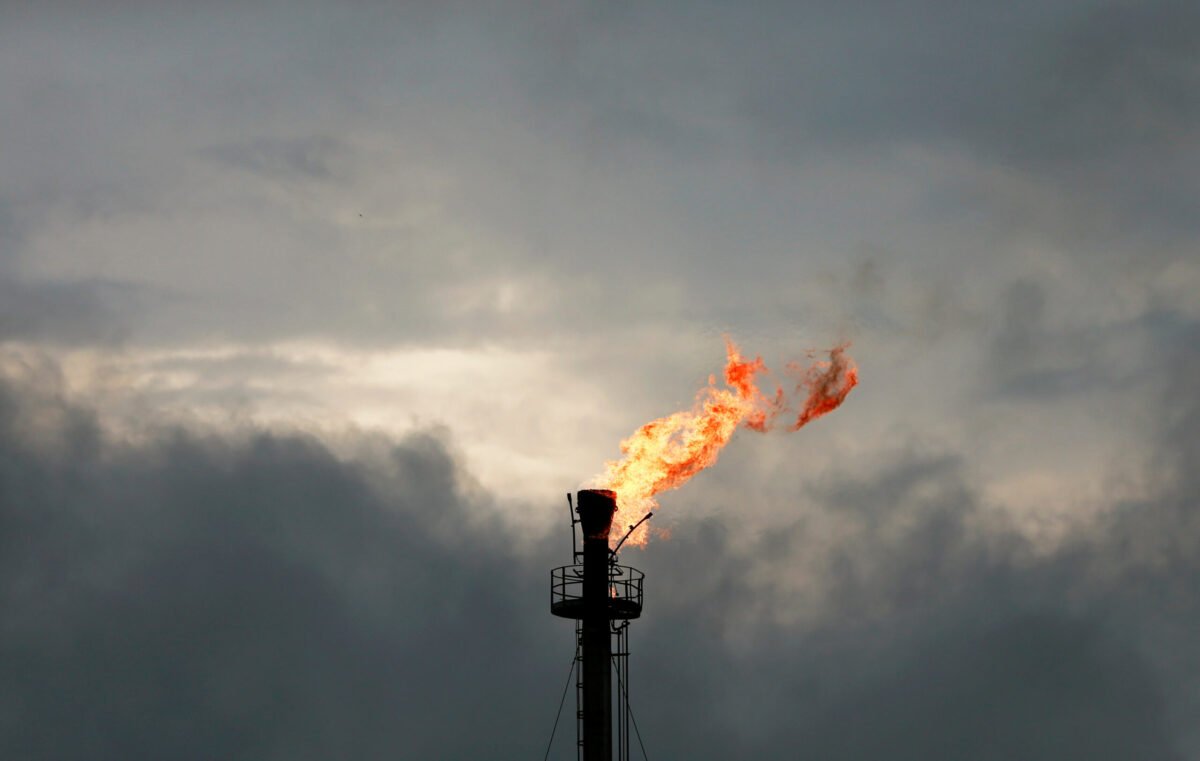
The second is far less encouraging. During the same period, Nigeria still flared 97.63 billion standard cubic feet (bscf) of natural gas.
That figure should concern not only Nigeria but the entire African continent.
At a time when hundreds of millions of Africans still lack reliable electricity and access to clean cooking fuels, the continued burning of nearly 98 billion cubic feet of natural gas represents one of the greatest contradictions in Africa’s energy landscape.
This is not merely an environmental issue. It is an economic, industrial and developmental challenge.
Natural gas has become the transition fuel of choice for many economies. It powers industries, generates electricity, produces fertiliser, supports petrochemical manufacturing and provides cleaner cooking fuel than firewood and charcoal. Yet Africa continues to waste enormous volumes of this valuable resource.
Nigeria’s experience reflects a continental problem.
Africa accounts for some of the world’s largest natural gas reserves. Nigeria, Algeria, Egypt, Libya, Angola, Mozambique, Senegal and Mauritania all possess abundant gas resources. Yet the continent continues to suffer from chronic electricity shortages, expensive energy imports and weak industrialisation.
The irony could hardly be greater.
Many African countries spend billions of dollars annually importing diesel to power generators because electricity supplies remain unreliable. Manufacturers struggle with high energy costs. Farmers pay more for fertiliser, while households continue to rely on biomass for cooking.
Meanwhile, valuable natural gas is burnt into the atmosphere every day.
Nigeria deserves credit for improving gas utilisation. Maintaining utilisation above 92 per cent shows that investments in gas gathering, processing and marketing are yielding results. The country’s “Decade of Gas” initiative has also placed greater emphasis on domestic gas supply, compressed natural gas (CNG), liquefied petroleum gas (LPG) and gas-based industrialisation.
But progress should not become an excuse for complacency.
Nearly 98 billion cubic feet of gas flared in just six months remains a substantial loss.
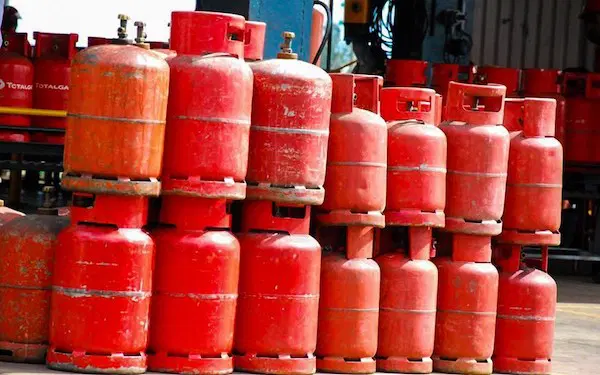
That volume could have generated electricity for homes and industries, supplied feedstock to fertiliser plants, expanded LPG availability for cleaner cooking or supported compressed natural gas programmes aimed at reducing transport costs.
Instead, it has contributed to greenhouse gas emissions and environmental degradation in oil-producing communities.
For Africa, the implications are even broader.
The continent has repeatedly argued that natural gas should play a central role in its energy transition because Africa contributes relatively little to global greenhouse gas emissions while still facing severe energy poverty.
That argument is valid.
However, Africa’s case becomes less convincing if significant volumes of gas continue to be flared instead of being put to productive use.
Ending routine gas flaring would strengthen Africa’s credibility in global climate negotiations while demonstrating that economic development and environmental responsibility can go hand in hand.
Governments must therefore move beyond ambitious declarations.
Stronger enforcement of flare reduction targets, faster development of gas gathering systems, greater investment in processing infrastructure and commercially viable gas markets are all essential.
Equally important is regional cooperation.
The African Continental Free Trade Area (AfCFTA) offers an opportunity to develop integrated gas markets capable of supplying neighbouring countries with cleaner energy. Cross-border pipelines, LNG distribution networks and regional power projects could transform gas from a wasted by-product into a driver of continental industrialisation.
Africa’s greatest energy challenge is no longer discovering hydrocarbons.
The continent has already proven that it possesses abundant oil and gas resources.
The real challenge is converting those resources into electricity, industrial growth, jobs and economic prosperity.
Nigeria’s latest gas flaring figures remind us that Africa is still some distance from achieving that goal.
Every cubic foot of gas flared is not simply an environmental loss. It is electricity not generated, industries not powered, jobs not created and economic opportunities that literally go up in smoke.
That is a contradiction Africa can no longer afford.