
El Niño threatens SADC food, water and energy security
By Eyo Nsima
The Southern African Development Community (SADC) is bracing for a potentially difficult 2026/27 rainy season, with climate scientists forecasting below-normal rainfall across large parts of the region amid expectations of a strong to very strong El Niño event.
The warning is contained in the statement of the 33rd Southern Africa Regional Climate Outlook Forum (SARCOF-33) held in Swakopmund, Namibia, from August 25 to 28, 2026.
The forum said the bulk of the region is likely to receive below-normal rainfall during the October-November-December (OND) 2026 period, raising concerns over agriculture, food security, water availability, livestock and hydropower generation.
According to the climate outlook, “The bulk of the SADC region is likely to receive below-normal rainfall during October–November–December (OND) 2026.”
The forecast indicates that the dry conditions could persist into the first quarter of 2027, particularly across the central and southern parts of the region.
For January-February-March (JFM) 2027, the forum expects below-normal rainfall over most of the central and southern SADC region, particularly across Angola, Namibia, Botswana, Zimbabwe, Zambia and parts of South Africa.
Normal-to-below-normal rainfall is also expected over parts of southern Mozambique, northern South Africa, Eswatini, Lesotho and Madagascar.
The outlook could have significant implications for economies and communities that depend on seasonal rainfall for farming, livestock production and water supply.
El Niño threats
The climate scientists identified the developing El Niño as a major driver of the expected weather conditions.
The statement said, “El Nino conditions are currently established in the tropical Pacific and are expected to strengthen further, with most models indicating a strong to very strong event, and peak intensity expected around the OND 2026 period.”
The forum also highlighted the possible influence of the Indian Ocean Dipole (IOD).
While the IOD is currently neutral, climate models indicate a high probability of a strong positive phase developing shortly.
“The latest model guidance indicates a high likelihood of a strong positive IOD developing by September 2026 and persisting through OND, before weakening towards neutral conditions during early 2027,” the statement said.
The combination of the two climate drivers could contribute to significant variations in rainfall across the region.
Northern region gets better outlook
Despite the broad warning over dry conditions, the outlook shows that rainfall will not be uniformly below normal across SADC.
During October-December 2026, normal-to-above-normal rainfall is expected over most of the Democratic Republic of Congo (DRC), northwestern Angola, northern Zambia, central Malawi, northern Mozambique, the southern fringes of Tanzania and Comoros.
Above-normal rainfall is particularly favoured over eastern DRC, most of Tanzania, extreme northern Malawi, extreme northern Zambia and Seychelles.
For January-March 2027, normal-to-above-normal rainfall is expected over northern parts of the region, including the DRC, northern Zambia, northern Malawi, northern Mozambique, parts of Tanzania and Seychelles.
Above-normal rainfall is particularly favoured over eastern Tanzania and the Comoros.
Madagascar is expected to experience mixed conditions, with near-normal to below-normal rainfall in the north and western parts, while its southeastern areas are forecast to receive near-normal to above-normal rainfall. Mauritius is expected to record normal-to-above-normal rainfall.
Temperature to rise
The rainfall concerns are expected to be compounded by higher temperatures.
The temperature outlook for October 2026 to January 2027 indicates a forecast in favour of mostly above-average temperatures across the region.
The forum stated that the period would be characterised by temperatures “mostly above the long-term averages over the whole of the SADC region, except over some central parts where cooler than usual temperatures are expected.”
Higher temperatures combined with below-normal rainfall could increase evaporation and reduce soil moisture, potentially worsening water stress and agricultural conditions.
Agriculture, food security at risk
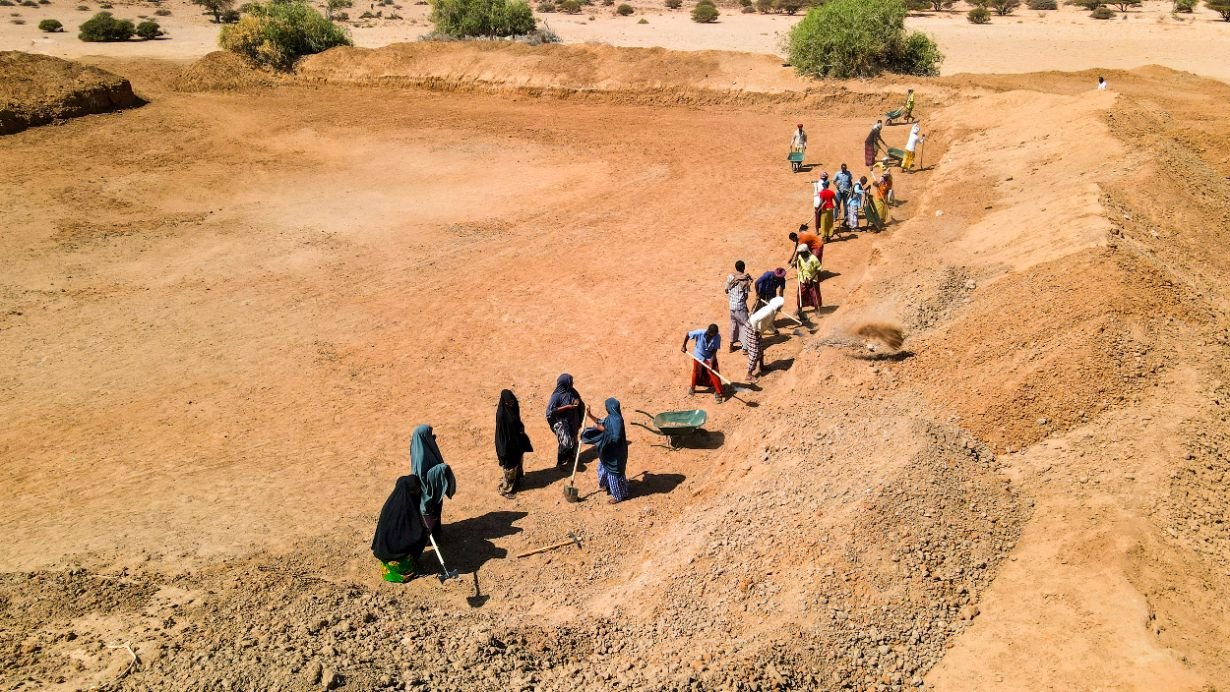
The expected rainfall deficit could create challenges for farmers, particularly in countries where agricultural production is heavily dependent on rainfall.
Lower rainfall could affect planting, crop development and yields while reducing pasture and water availability for livestock.
The consequences could extend beyond farms to food prices, household incomes and regional food supplies.
Countries facing below-normal rainfall may therefore need to strengthen irrigation, water conservation, drought-resistant agriculture, livestock support and food-security measures ahead of the peak of the season.
At the same time, countries forecast to receive above-normal rainfall will need to prepare for possible flooding and other consequences associated with excessive rainfall.
Water and hydropower concerns
The forecast also raises concerns for water resources. Reduced rainfall could affect river flows and reservoir levels, while higher temperatures could increase evaporation and demand for water.
This could place pressure on domestic water supply, irrigation, livestock, mining and industrial activities. The energy sector could also be affected.
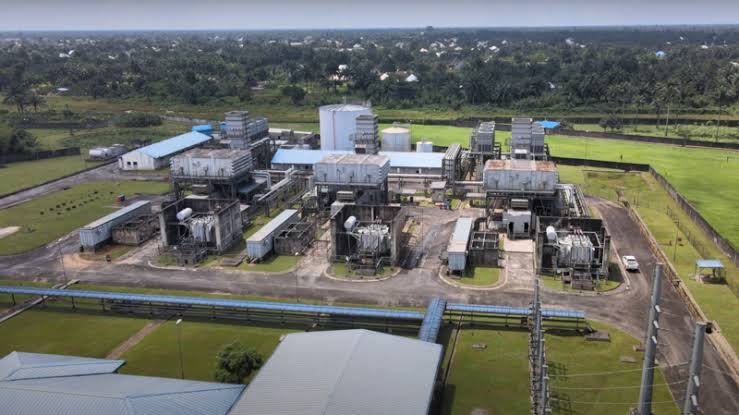
Several SADC countries depend significantly on hydropower, meaning reduced rainfall and river flows could constrain electricity generation.
Lower water levels in reservoirs could force affected countries to rely more heavily on thermal generation, electricity imports and other sources of power.
However, countries in the northern parts of SADC could benefit from improved water availability if the forecast normal-to-above-normal rainfall materialises.
Experts urge preparedness
SARCOF-33 brought together climate experts from SADC National Meteorological and Hydrological Services and the SADC Climate Services Centre to develop a consensus outlook for the 2026/27 rainfall season.
The assessment also received inputs from the African Centre of Meteorological Applications for Development and major global climate centres, including the European Centre for Medium-Range Weather Forecasts, US National Oceanic and Atmospheric Administration, Beijing Climate Centre, Météo-France, Australian Bureau of Meteorology, UK Met Office, World Meteorological Centre in Tokyo and Korea Meteorological Administration.
The International Research Institute for Climate and Society and National Center for Atmospheric Research also contributed.
The scientists used statistical analysis, climate prediction systems and expert interpretation to determine the likelihood of above-normal, normal and below-normal rainfall.
They stressed that the forecast is based on probabilities and should not be interpreted as certainty.
“It is emphasised that boundaries between zones should be considered as transition areas,” the statement said.
The outlook covers four overlapping three-month periods: October-November-December 2026, November-December 2026-January 2027, December 2026-January-February 2027 and January-February-March 2027.
With the main rainfall season beginning in October, the forecast provides governments, farmers, water managers and energy companies with an early warning to strengthen preparedness.
For the most exposed countries, the combination of below-normal rainfall, rising temperatures and a potentially strong El Niño could increase pressure on food production, water resources and electricity supply.
The coming months will therefore be critical for SADC governments as they translate the regional climate warning into measures capable of protecting livelihoods, food supplies, water resources and energy security.