
By Eyo Nsima
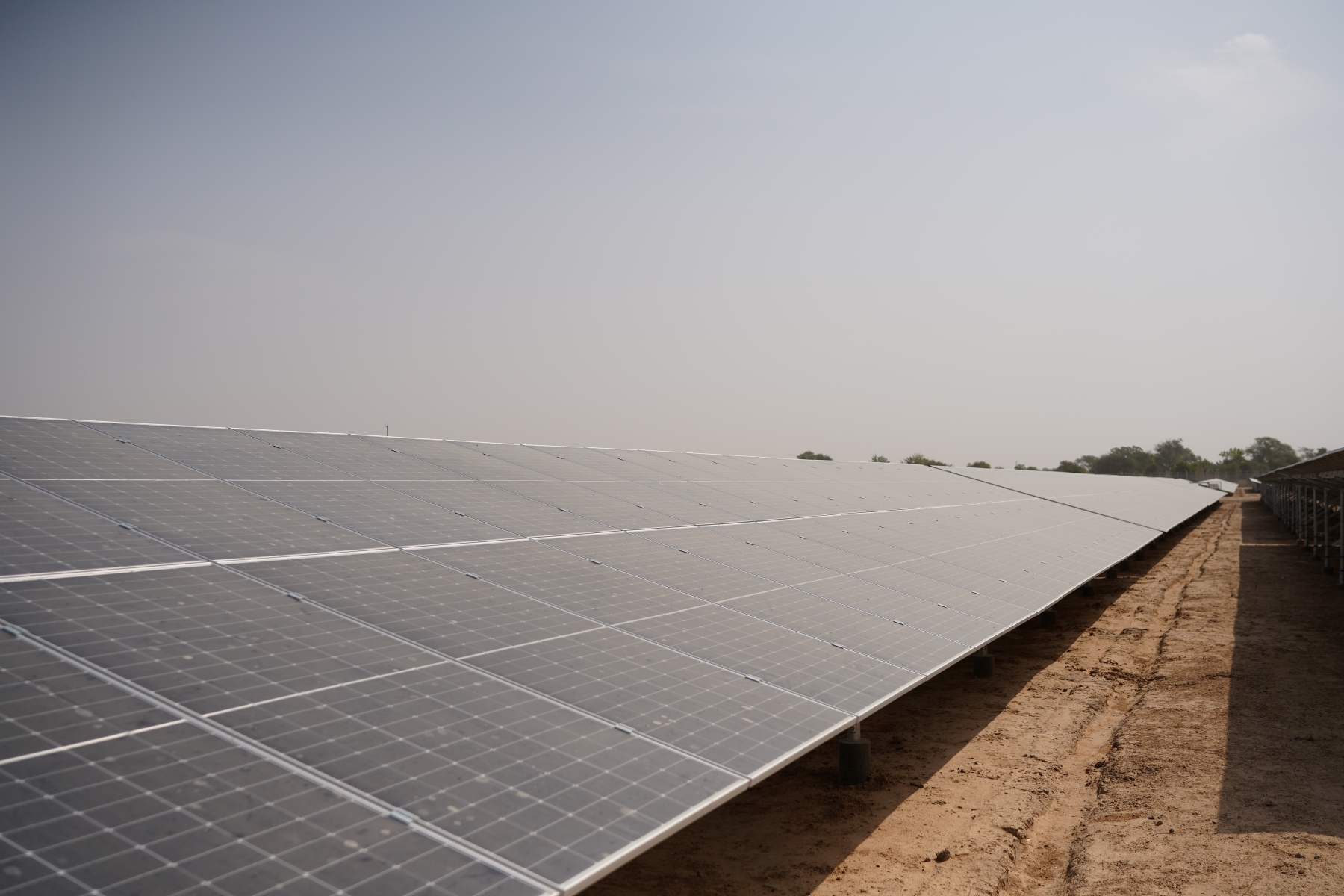
The Federal Government has equipped 15 tertiary institutions across the country with off-grid electricity systems with a combined installed capacity of 68.2 megawatts (MW), under the Energising Education Programme (EEP) of the Rural Electrification Agency (REA).
The initiative is designed to reduce the institutions’ dependence on the national grid and provide reliable electricity for teaching, research and healthcare services.
According to a report titled Powering Tertiary Institutions through the Energising Education Programme, obtained from the REA, the University of Maiduguri and its Teaching Hospital have a combined installed capacity of 12MW.
The University of Calabar and its Teaching Hospital have 7MW, while Michael Okpara Federal University of Agriculture, Umudike, Abia State, has 3MW.
The Federal University of Agriculture, Abeokuta, Ogun State, and Yakubu Gowon University, formerly the University of Abuja, FCT, have 3MW each, while the Nigerian Defence Academy, Kaduna State, has 2.5MW.
Other beneficiaries include the Federal University, Gashua, Yobe State, with 1.5MW; the University of Port Harcourt, 10.7MW; and the Federal University of Technology, Owerri, Imo State, 8.2MW.
Modibbo Adama University of Technology, Adamawa State, has 5MW; the Federal University of Technology, Akure, Ondo State, 4.5MW; and the University of Uyo, Akwa Ibom State, 2.6MW.
The Federal University, Dutsin-Ma, Katsina State, has 1.9MW; Federal University Lokoja, Kogi State, 1.7MW; and Federal University of Lafia, Nasarawa State, 1.6MW.
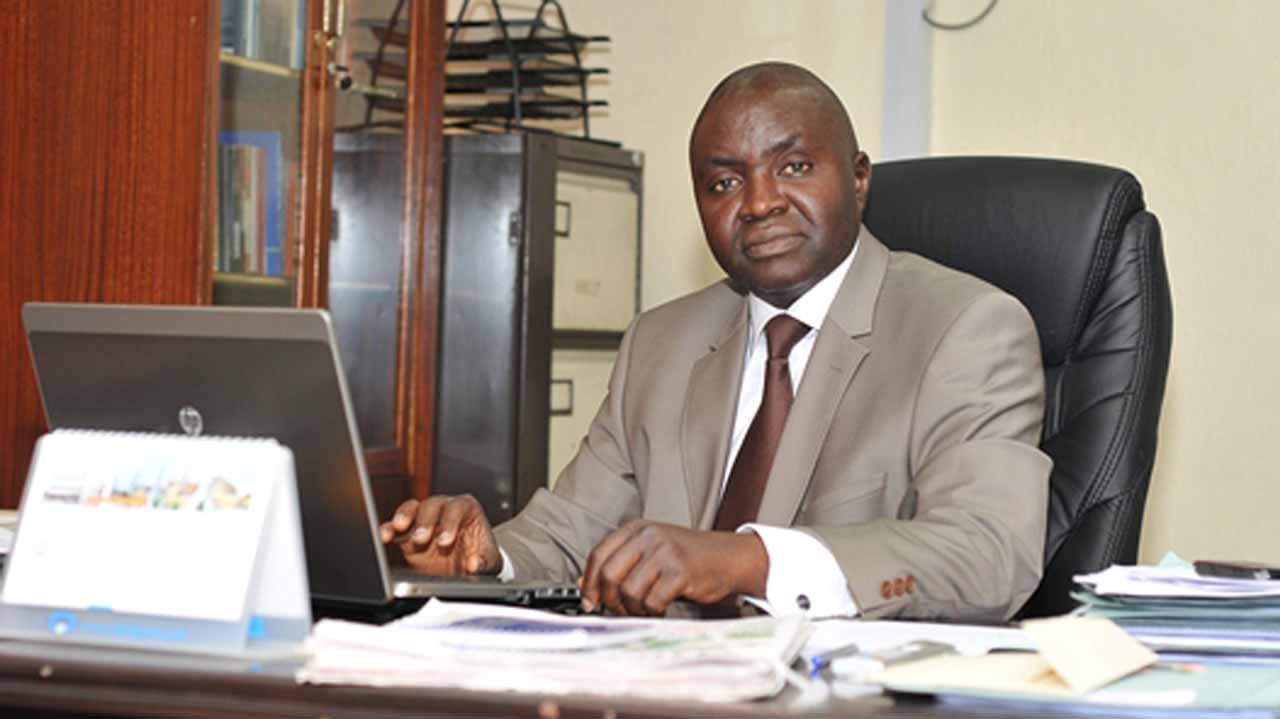
The report also highlighted the role of REA Managing Director and Chief Executive Officer, Abba Abubakar Aliyu, in repositioning the agency and expanding its renewable energy, investment mobilisation and local content development activities.
It stated: “Leading the charge at the REA is Abba Abubakar Aliyu, the Managing Director/CEO of the agency, whose 3+ years of leadership have repositioned the Agency as a global impact delivery institution and strategic platform for renewable energy scale-up, investment, and local content development.”
On the agency’s broader vision, the report said: “Aliyu’s approach reflects a broader vision: transforming Nigeria’s energy access challenge into one of the most compelling investment opportunities in the developing world and positioning Nigeria as the renewable energy hub of the African continent.”
It added that Aliyu was drawing on more than 20 years of public- and private-sector experience to attract capital, coordinate national electrification programmes and direct renewable energy investments towards areas with the greatest socio-economic impact.
The report further stated: “Aliyu’s leadership at the REA is advancing the deployment of utility-scale renewable energy infrastructure across the country.”