
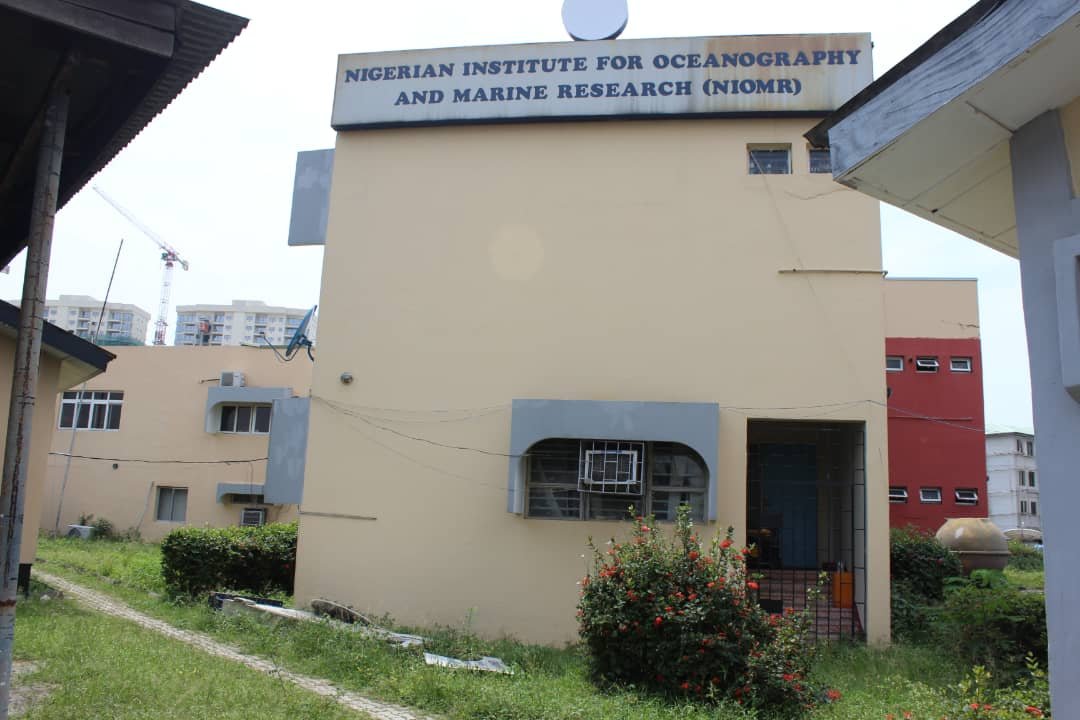
Editorial: NIOMR Must Be Empowered to Safeguard Nigeria’s Oceans and Blue Economy
As Nigeria seeks to diversify its economy beyond crude oil, one institution deserves greater national attention for the quiet but significant work it is doing to protect the country’s marine environment while advancing scientific knowledge and sustainable development. The Nigerian Institute for Oceanography and Marine Research (NIOMR) has become a cornerstone of Nigeria’s quest to build a resilient and prosperous blue economy.
For decades, the institute has generated the scientific data that underpin fisheries management, environmental protection, marine conservation and ocean governance. Yet, despite its strategic importance, NIOMR has not always received the visibility or support commensurate with its role in safeguarding one of Nigeria’s greatest natural assets—its vast marine and coastal resources.
Nigeria’s oceans are increasingly under pressure. Oil pollution, plastic waste, coastal erosion, illegal fishing, climate change and rising sea levels continue to threaten marine biodiversity, coastal communities and economic activities. These challenges cannot be addressed through policy declarations alone. They require rigorous scientific research, continuous environmental monitoring and evidence-based decision-making.
This is where NIOMR has distinguished itself.
The institute conducts critical research on oceanography, marine ecosystems, fisheries, aquaculture, pollution control and climate impacts. It monitors the health of Nigeria’s coastal waters, assesses environmental risks, develops technologies that improve fish production and supports sustainable exploitation of marine resources. These are not merely academic exercises; they are practical interventions that strengthen food security, protect livelihoods and preserve ecosystems.
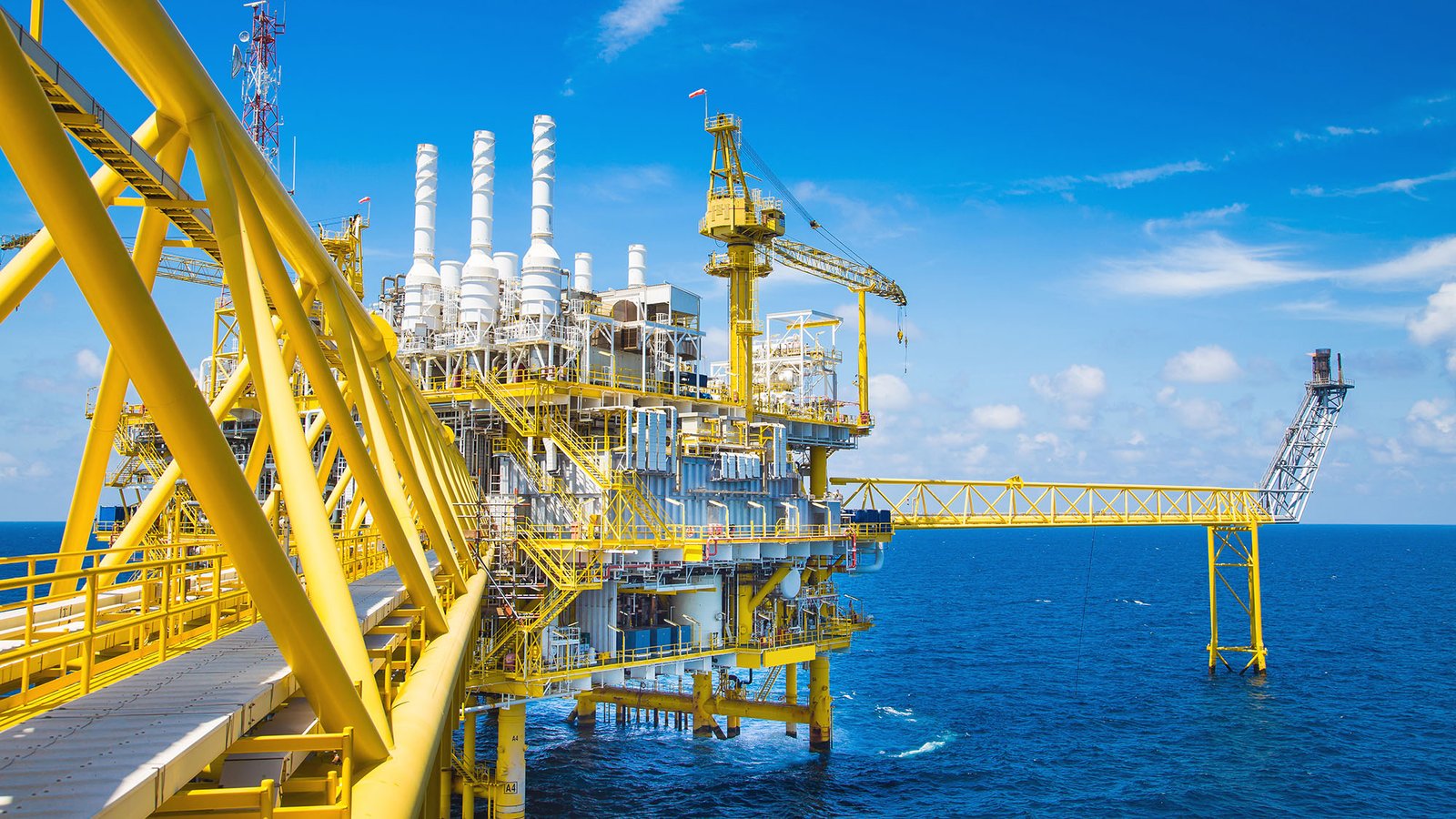
Its work on pollution monitoring and oil spill assessments has become increasingly important at a time when offshore oil and gas activities continue to expand. By generating reliable scientific information, NIOMR enables regulators and policymakers to make informed decisions that protect both the environment and national economic interests.
Equally commendable is the institute’s contribution to sustainable fisheries and aquaculture. Through research, technology development and capacity building, NIOMR is helping fish farmers improve productivity, reduce post-harvest losses and increase value addition. These efforts are contributing to food security while creating employment opportunities for thousands of Nigerians.
The institute’s growing emphasis on innovation, including the application of satellite technology, Earth observation systems and modern oceanographic tools, demonstrates that Nigeria possesses the scientific capacity to compete globally in marine research. Such capabilities should be expanded, not overlooked.
As the Federal Government advances its Marine and Blue Economy agenda, NIOMR’s role becomes even more strategic. A successful blue economy cannot be built without credible scientific institutions capable of providing accurate data on marine resources, environmental conditions and ecosystem health. Investors, regulators and development partners all rely on such information to make sound decisions.
The institute also plays an important role in developing the next generation of marine scientists, fisheries experts and environmental professionals. Investing in NIOMR therefore means investing in Nigeria’s future scientific leadership and technological independence.
However, greater expectations must be matched with greater support. Modern oceanographic research demands sophisticated laboratories, research vessels, underwater monitoring equipment, satellite technologies and highly trained personnel. Sustained funding, stronger collaboration with universities and industry, and increased public awareness are essential if NIOMR is to fully realise its mandate.
The private sector, particularly companies operating in offshore oil and gas, maritime transport, fisheries and coastal infrastructure, should also deepen partnerships with the institute. Such collaboration would enhance environmental stewardship while promoting innovation that benefits both business and society.
Nigeria possesses one of Africa’s longest coastlines and enormous marine resources capable of generating employment, food, foreign exchange and sustainable economic growth. Protecting these resources is not optional—it is a national imperative.
NIOMR has demonstrated that science remains one of the country’s most powerful tools for achieving environmental sustainability and responsible resource management. The challenge now is for government, industry and development partners to provide the support necessary for the institute to expand its impact.
If Nigeria is serious about building a globally competitive blue economy, strengthening institutions such as NIOMR should be regarded not as an expenditure but as a strategic investment in the nation’s environmental security, economic resilience and sustainable future.