
158 Days Since USA War: Oil market remains volatile as Hormuz uncertainty persists
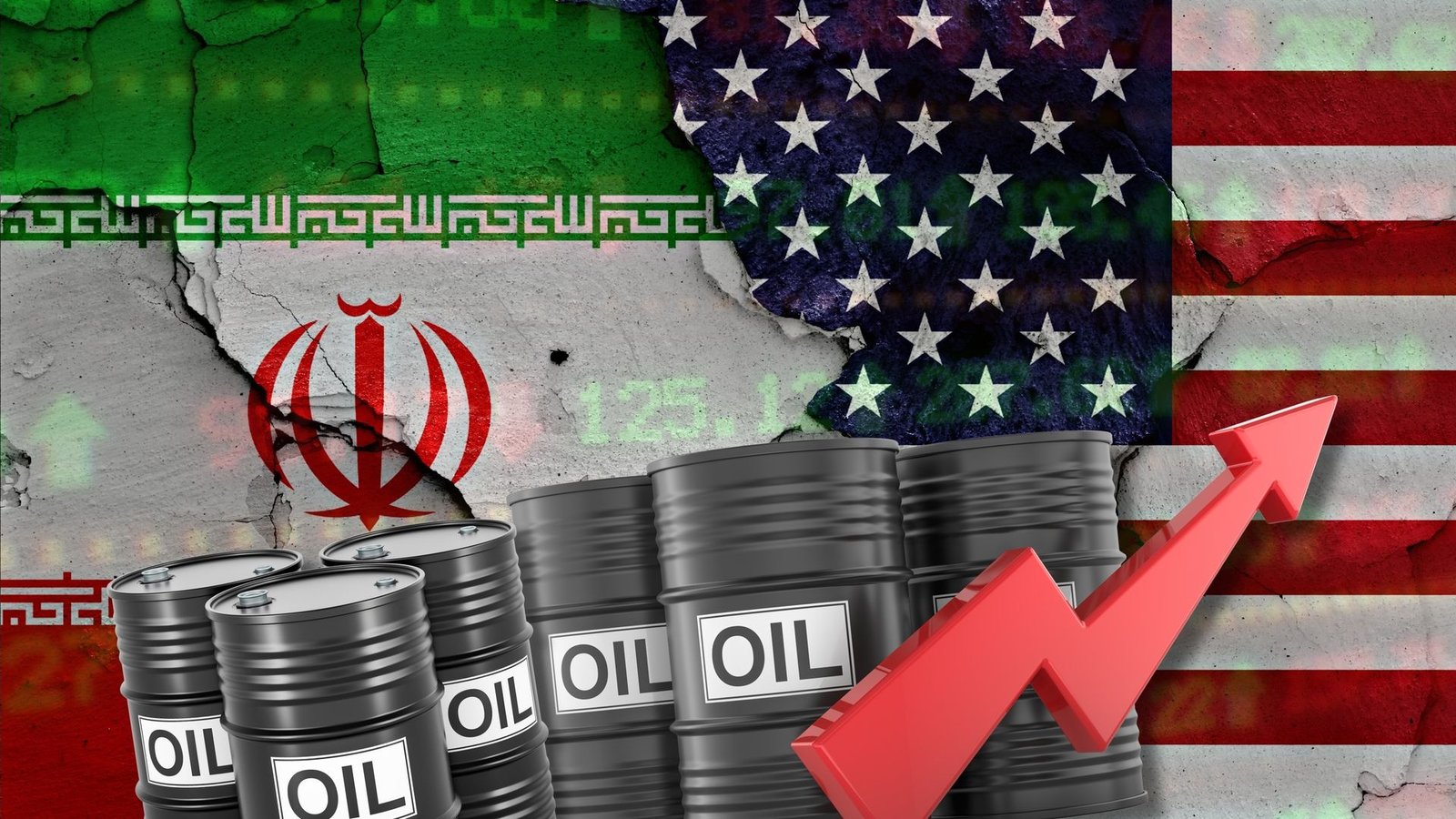
Global oil markets remain highly volatile more than five months after the United States and Israel launched military action against Iran, with crude prices now being driven as much by uncertainty over the reopening of the Strait of Hormuz as by immediate concerns about physical supply.
The latest price snapshot shows Brent crude at $84.26 per barrel, up 71 cents, or 0.85 per cent, while West Texas Intermediate (WTI) stood at $78.72, gaining 54 cents, or 0.69 per cent.
Murban crude rose 72 cents to $80.25 per barrel, while WTI Midland gained 87 cents to $79.00.
The market is also reflecting renewed strength across refined products, with gasoline rising to $3.006, up 0.68 per cent, and heating oil climbing 1.41 per cent to $3.958.
Natural gas increased 2.14 per cent to $2.719, while the Indian Basket climbed 1.46 per cent to $85.05. However, the OPEC Basket moved in the opposite direction, falling 48 cents to $76.97.
From war premium to uncertainty premium
The latest movements underline how dramatically the oil market has changed since the conflict began.
Oil prices initially surged as traders feared that the conflict could severely disrupt supplies from the Middle East, particularly through the Strait of Hormuz, one of the world’s most important energy shipping chokepoints.
At the height of the crisis, Brent rose above $100 per barrel, with the market pricing in the possibility of a prolonged disruption to Gulf oil exports.
The International Energy Agency reported in May that global oil supply had fallen by 1.8 million barrels per day in April, with total losses since February reaching 12.8 million bpd. Gulf-country output was estimated at 14.4 million bpd below pre-war levels.
But the expected prolonged price shock has not materialised in a straight line.
Instead, oil prices have repeatedly fallen whenever traders see signs of a ceasefire, negotiations or a possible reopening of Hormuz, only to rebound when those prospects weaken.
Reuters reported that Brent fell about 7 per cent on August 3 after U.S. President Donald Trump cancelled a planned attack and hopes for a nuclear agreement increased.
By August 7, however, Brent had recovered to $83.55 and WTI to $78.18 as uncertainty persisted over arrangements for reopening the Strait.
Hormuz remains the market’s biggest risk
The Strait of Hormuz has consequently become the dominant geopolitical variable for oil traders.
Shipping through the waterway remains severely restricted, with Reuters reporting that uncertainty over proposed arrangements between Iran and Oman continues to weigh on the market.
The continuing disruption means that traders are balancing two opposing forces: the prospect of additional Middle Eastern barrels returning to the market if Hormuz reopens, and the risk that prolonged restrictions could further tighten global supplies.
This explains why oil prices can fall sharply on diplomatic developments and recover just as quickly when negotiations encounter difficulties.
Nigeria faces mixed implications
For Nigeria, the sustained volatility presents both opportunities and risks.
Higher crude prices could strengthen government oil revenues and foreign-exchange inflows, particularly if domestic production continues to improve. However, elevated international prices could also increase the cost of imported petroleum products and put additional pressure on downstream prices where domestic supply is insufficient.
The emergence of the Dangote Petroleum Refinery adds another dimension. Increased domestic refining capacity could reduce Nigeria’s exposure to international refined-product markets, but crude supply, global product prices and foreign-exchange movements will continue to influence the domestic fuel market.
With Brent now around $84 per barrel, the oil market is significantly below the extreme levels feared during the early stages of the conflict but remains well above the levels that prevailed before the war.
The central issue for the market is therefore no longer simply whether the war will push oil above $100 per barrel.
It is whether the reopening of Hormuz will be fast enough to restore disrupted supplies—or whether continued geopolitical uncertainty will keep a sizeable risk premium embedded in crude prices for the rest of 2026