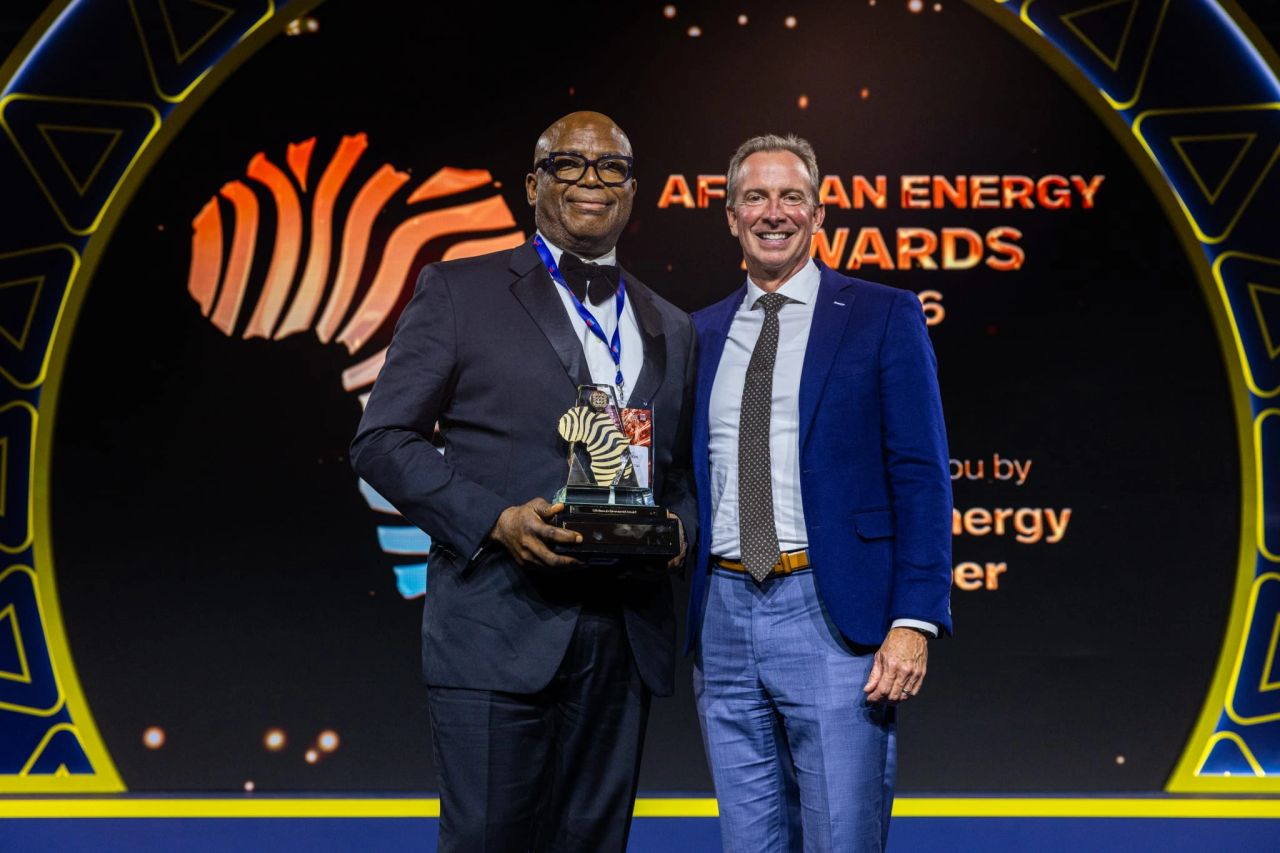


EDITORIAL: Austin Avuru at 68 and the unfinished Nigerian oil story
As Austin Ojunekwu Avuru turns 68 on August 17, Nigeria’s oil and gas industry has more than a birthday to mark. His career offers an opportunity to examine the progress—and unfinished business—of Nigeria’s indigenous petroleum industry.
From the Nigerian National Petroleum Corporation, NNPC, where he began as a geologist, to Platform Petroleum and later Seplat Petroleum Development Company, Avuru has been part of the transformation of Nigerian participation in oil production.
After graduating from the University of Nigeria, Nsukka, in 1980, Avuru spent 12 years at NNPC in technical positions before joining Allied Energy Resources. In 2002, he founded Platform Petroleum, which later became one of the foundations of Seplat.
The 2009 creation of Seplat by Platform Petroleum and Shebah Exploration and Production Company marked a turning point. As Seplat’s pioneer CEO, Avuru helped build the company into one of Nigeria’s leading independent oil producers and guided it to dual listing in London and Nigeria.
That achievement was significant. It showed that an indigenous Nigerian oil company could attract international capital, operate producing assets and compete in the global petroleum market.
But Avuru’s story is also a reminder that indigenous ownership must translate into higher production, stronger investment and greater value for Nigeria.
This is particularly important today as international oil companies continue to divest mature and onshore assets. The transfer of these assets to indigenous operators creates a historic opportunity, but it also comes with enormous responsibility.
Nigeria cannot afford simply to change the names on asset ownership documents while production continues to decline.
Indigenous operators must have the capital, technology, technical expertise and managerial capacity to maintain ageing infrastructure, develop reserves, increase output and unlock stranded resources.
The same applies to gas.
Nigeria possesses enormous gas reserves, yet inadequate infrastructure, insufficient investment and persistent supply constraints continue to limit the sector. With global demand for LNG expanding and competition among producers intensifying, Nigeria must accelerate investments in gas gathering, processing, pipelines and liquefaction.
NLNG Train 7 is an important step, but Nigeria needs a much broader gas development strategy if it is to remain a significant player in the global LNG market.
Avuru’s career also highlights the importance of human capital. Nigeria needs more petroleum professionals who can move beyond technical expertise to build financially sound, technologically capable and internationally competitive energy companies.
His involvement in the development of the Nigerian Content Act further demonstrates that indigenous participation requires deliberate policy support.
But local content must not become a protectionist shield. Nigerian companies must compete on efficiency, technology, safety, cost and operational performance.
Avuru’s appointment as a non-executive director of NNPC Limited in 2025 brings another dimension to his career. His experience in both the public and private sectors comes at a critical time for NNPC, which must improve commercial performance, attract investment and help restore confidence in Nigeria’s petroleum industry.
Yet the transformation of the industry cannot depend on individuals alone.
Nigeria needs predictable policies, efficient regulation, transparent institutions, access to affordable capital and infrastructure that supports investment. It also needs an operating environment that allows indigenous companies to grow beyond asset acquisition into globally competitive energy businesses.
That is the real lesson from Avuru’s 68 years.
His generation helped demonstrate that Nigerians could establish and operate successful indigenous oil companies. The next generation must go further—building companies that increase production, develop Nigeria’s gas resources, create jobs, expand technology and compete beyond Nigeria.
Nigeria has the resources and the human capacity.
What remains is the political will, investment and institutional discipline to convert those advantages into sustainable national wealth.
As Austin Avuru turns 68, the best tribute is therefore not simply to celebrate what he achieved, but to ensure that the indigenous oil industry he helped build becomes the foundation for a more productive, competitive and prosperous Nigerian energy sector.