
COUNTDOWN: 139 Days Since the USA-Iran War Began – Global Oil Market
US-Iran War Pushes Oil Prices Above $100, Heightens Fears for Nigeria’s Fuel Market
By Team Countdown
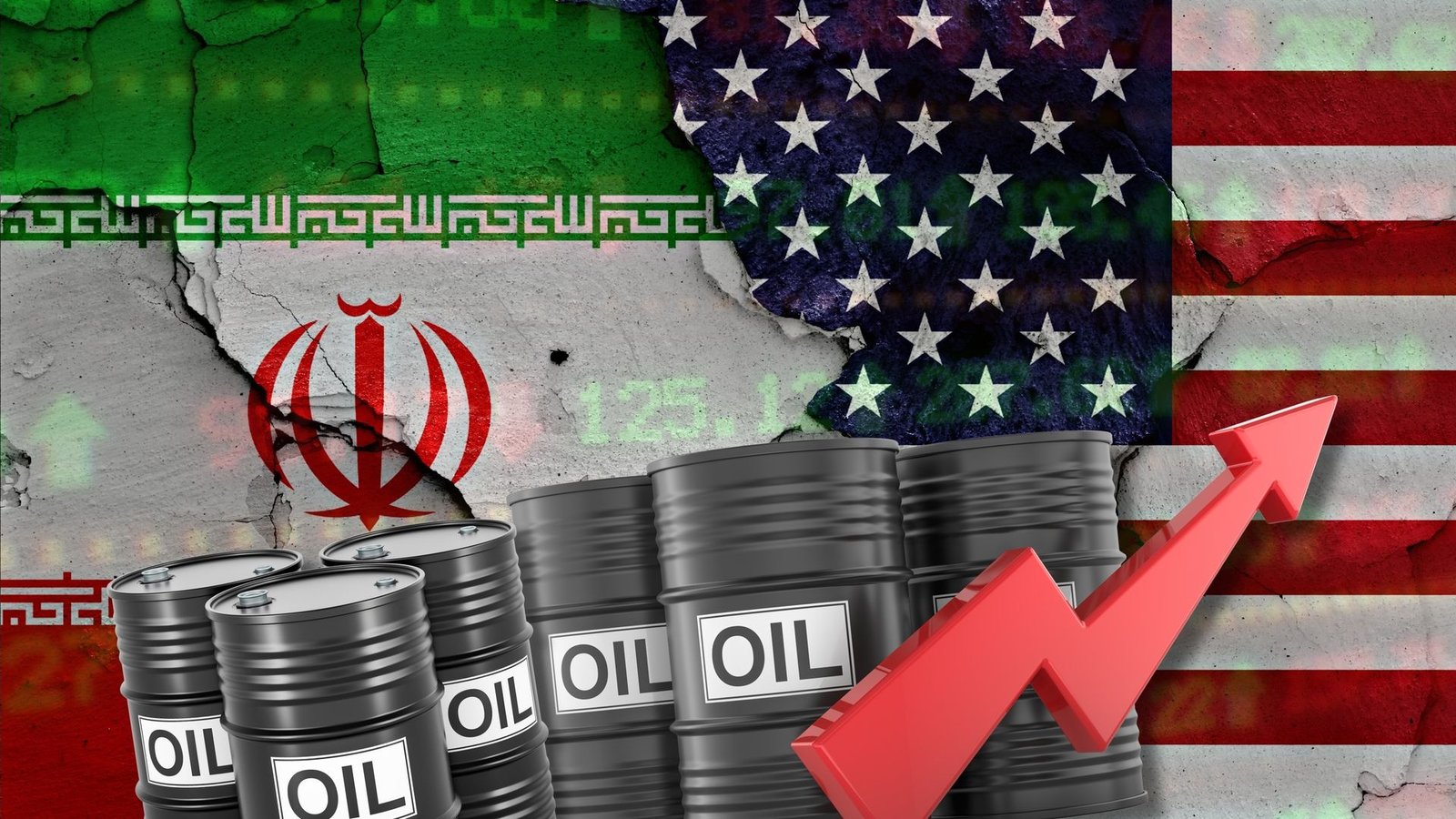
The conflict between the United States and Iran has continued to reshape the global oil market, driving crude prices sharply higher since the outbreak of hostilities and raising concerns over fuel prices, inflation and energy security in oil-importing countries, including Nigeria.
Latest market data showed that although crude prices eased slightly in the latest trading session, they remain significantly above pre-war levels, reflecting persistent concerns over supply disruptions from the Middle East, which accounts for about one-third of global crude production and hosts the vital Strait of Hormuz shipping route.
Brent crude, the international benchmark, traded at $98.12 per barrel, down 2.55 per cent on the day, while U.S. West Texas Intermediate (WTI) crude fell 2.31 per cent to $90.06 per barrel. Murban crude, a key Middle Eastern benchmark, dropped 9.66 per cent to $96.82 per barrel after recent gains.
However, broader market indicators point to sustained price pressure. The OPEC Basket climbed to $102.80 per barrel, gaining 8.71 per cent, while the Indian Basket rose 10.88 per cent to $103.30 per barrel, underscoring the premium buyers are paying for crude supplies amid heightened geopolitical risks.
The conflict has also affected refined petroleum products. U.S. gasoline prices declined 2.56 per cent to $3.407 per gallon, while heating oil slipped 2.55 per cent to $4.231 per gallon, reflecting market volatility as traders assess the likelihood of prolonged disruptions.
Middle East tensions continue to dominate market
Since the outbreak of the US-Iran war, oil markets have been driven less by changes in physical supply and more by the geopolitical risk premium attached to crude exports from the Gulf region.
Market participants remain concerned that any escalation capable of disrupting tanker movements through the Strait of Hormuz could remove millions of barrels of crude from global supply, tightening an already fragile market.
Although no prolonged closure of the waterway has occurred, the possibility alone has been sufficient to keep oil prices elevated and increase price volatility across global energy markets.
Nigeria faces mixed fortunes
For Nigeria, the world’s largest crude producer in Africa, higher oil prices present both opportunities and challenges.
On one hand, stronger crude prices could boost export earnings, improve government revenue and strengthen foreign exchange inflows, particularly as the country’s 2026 budget is heavily dependent on oil receipts.
Higher prices could also increase the earnings of upstream producers operating in the country.
On the other hand, Nigeria remains heavily exposed to international petroleum product prices despite increasing domestic refining capacity.
The rise in crude prices is expected to raise the landing cost of imported petrol, diesel and aviation fuel, potentially reversing recent declines in domestic fuel prices.
Industry analysts warn that sustained crude prices above $100 per barrel could place renewed pressure on depot and retail fuel prices, especially if the conflict persists and freight and insurance costs continue to rise.
Refiners under pressure
The renewed rally in crude prices is also expected to increase feedstock costs for refineries globally, including the Dangote Petroleum Refinery and modular refineries operating in Nigeria.
While domestic refining reduces dependence on imported fuel, refiners still purchase crude at international market prices, meaning prolonged increases in crude prices could translate into higher ex-depot prices for refined products.
This could offset some of the benefits Nigerians have enjoyed from increased local refining and intensified competition in the downstream petroleum sector.
Inflation concerns return
Beyond fuel prices, higher energy costs are expected to increase transportation, manufacturing and electricity costs globally.
For Nigeria, where diesel remains a critical fuel for industries and businesses due to unreliable electricity supply, higher crude prices could increase operating costs and worsen inflationary pressures.
Agriculture, logistics and aviation are also expected to experience higher fuel-related expenses if the conflict continues.
Outlook remains uncertain
Analysts believe oil prices will continue to respond primarily to developments in the US-Iran conflict rather than underlying market fundamentals.
Any further escalation that threatens oil production facilities or shipping lanes in the Gulf could push Brent crude well above the $100-per-barrel mark, while signs of diplomatic progress could ease the geopolitical risk premium and moderate prices.
For now, the conflict has reinforced the vulnerability of the global oil market to geopolitical shocks, with both producers and consumers preparing for continued volatility in the months ahead.