
COUNTDOWN: 130 Days Since the USA-Iran War Began – Global Oil Market
Oil Prices Climb Again as Lingering USA-Iran Tensions Keep Energy Markets on Edge
By Team Countdown
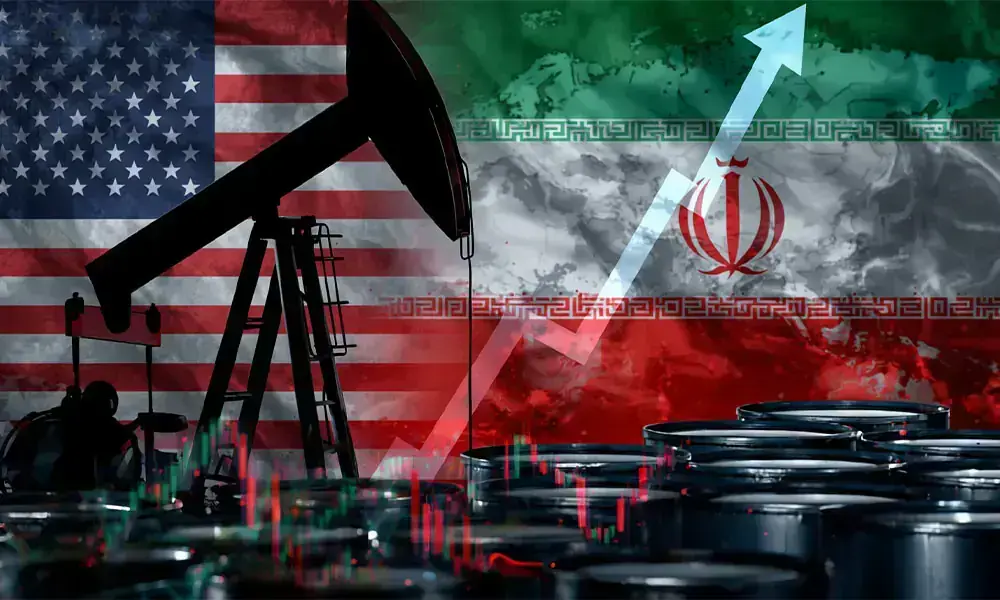
One hundred and twenty-nine days after the outbreak of the USA-Iran war, global oil markets remain sensitive to geopolitical risks, with crude prices posting fresh gains amid persistent concerns over supply security in the Middle East.
Latest market data showed that benchmark crude prices rose by more than two per cent, highlighting the continuing influence of geopolitical uncertainty on energy markets despite the absence of major supply disruptions.
Brent crude, the international benchmark, climbed 2.28 per cent to $75.85 per barrel, while US West Texas Intermediate (WTI) gained 2.37 per cent to $72.11 per barrel.
Murban crude, the flagship grade exported by the United Arab Emirates, recorded the strongest performance among the major benchmarks, rising 3.43 per cent to $68.97 per barrel.
The increase indicates that traders continue to factor geopolitical risks into crude prices, particularly as the Middle East remains home to nearly one-third of global oil production and key export routes such as the Strait of Hormuz.
Natural gas prices also edged higher by 0.37 per cent to $3.277, reflecting continued caution across global energy markets.
Refined petroleum products followed the upward trend.
Gasoline prices increased 1.86 per cent to $3.009, while heating oil gained 2.61 per cent to $3.388, suggesting expectations of firm demand for transportation and heating fuels.
However, not all benchmarks moved higher.
The OPEC Basket declined 3.60 per cent to $77.37 per barrel, while the Indian Basket fell 3.54 per cent to $68.21 per barrel, reflecting differences in the composition of crude grades and regional pricing dynamics.
Energy analysts said the mixed performance underscores the complex forces shaping today’s oil market.
While fears of direct supply disruptions from the USA-Iran conflict have eased compared with the early stages of the war, traders continue to attach a geopolitical premium to crude prices because any renewed escalation could threaten exports from the Gulf region.
The continued strength in Brent and WTI prices also reflects expectations of resilient global oil demand, declining petroleum inventories in major consuming regions and healthy refinery activity in the United States and Europe.
For oil-exporting nations, including Nigeria, Angola, Algeria and Libya, firmer crude prices translate into stronger export earnings, improved government revenues and increased foreign exchange inflows.
Nigeria, Africa’s largest economy and one of the continent’s leading oil producers, stands to benefit from sustained prices above $70 per barrel, as higher oil receipts could support budget implementation, strengthen external reserves and improve fiscal performance.
Higher prices also enhance the economics of upstream investment and provide additional incentives for producers to increase output where operational conditions permit.
Conversely, the rise in crude prices poses challenges for oil-importing countries, many of which face higher fuel import costs, increased inflationary pressures and wider trade deficits.
Although the immediate military confrontation between the United States and Iran has subsided, analysts believe the conflict continues to cast a long shadow over global energy markets.
With geopolitical tensions, supply security concerns and robust seasonal demand remaining key drivers, oil prices are expected to stay volatile in the months ahead, leaving governments, producers and consumers closely watching developments in one of the world’s most strategically important energy regions.