
COUNTDOWN: 129 Days After USA-Iran War – Global Oil Market
Rising Oil Prices Lift Africa’s Exporters, Deepen Pressure on Fuel-Importing Economies
By Our Correspondent
African oil-producing nations, including Nigeria, Angola, Algeria and Libya, are expected to record stronger export earnings as international crude oil prices extended their upward trend, although the development is likely to intensify economic pressure on fuel-importing countries across the continent.
Latest market data showed that Brent crude, the international benchmark, rose by 1.56 per cent to $73.11 per barrel, while West Texas Intermediate (WTI) climbed 1.42 per cent to $69.52 per barrel. Murban crude, a key Middle East benchmark, also gained 1.65 per cent to $67.78 per barrel.
Natural gas prices equally strengthened, rising 1.45 per cent to $3.292, reflecting expectations of stronger energy demand.
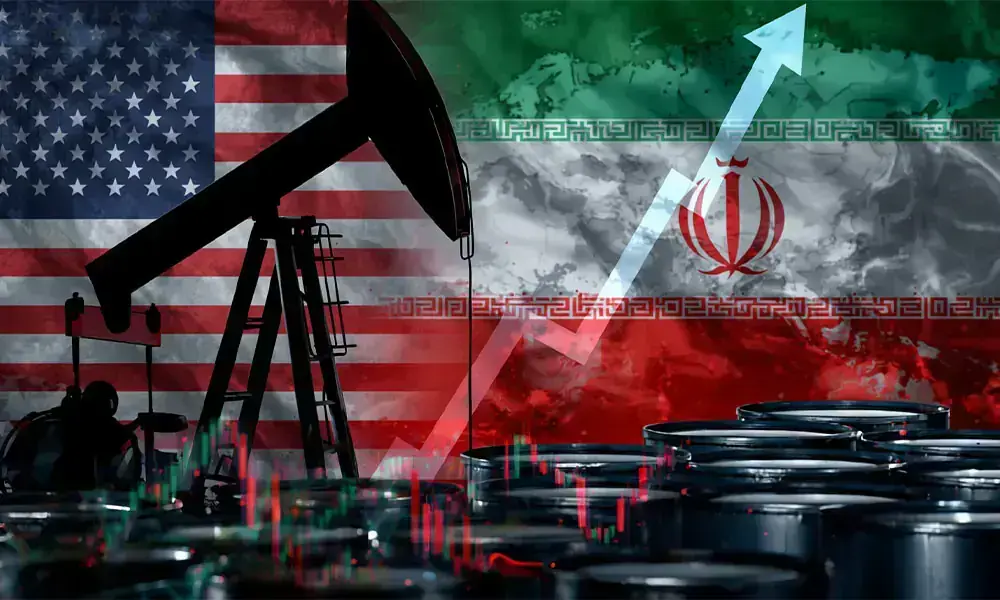
The renewed rally in crude prices comes amid lingering geopolitical concerns, tighter market sentiment and expectations of sustained global energy demand, factors that continue to influence international oil markets.
For Africa’s major oil exporters, the increase offers an opportunity to improve government revenues, strengthen foreign exchange earnings and support national budgets that remain heavily dependent on petroleum exports.
Nigeria, Africa’s largest crude producer, stands to benefit through higher dollar inflows, provided it sustains production above its recent levels. Higher oil prices could also improve earnings for Angola, Algeria, Libya, Congo, Gabon and Equatorial Guinea, whose economies rely significantly on hydrocarbon exports.
The development is also expected to support the fiscal positions of several African members of the Organisation of Petroleum Exporting Countries (OPEC), especially as governments seek additional revenues to finance infrastructure, energy transition projects and economic reforms.
However, analysts warned that higher crude prices present a different reality for African countries that depend heavily on imported refined petroleum products.
Many sub-Saharan African economies—including Kenya, Senegal, Côte d’Ivoire, Morocco and several East African nations—could face rising import bills for petrol, diesel and aviation fuel if the upward movement in crude prices is sustained.
Higher import costs may translate into increased transportation expenses, elevated food prices and renewed inflationary pressures, particularly in countries where governments have removed or reduced fuel subsidies.
Although crude-exporting countries may record higher revenues, the benefits could be partly offset if domestic fuel prices rise because of higher international product prices.
In Nigeria, for instance, domestic petrol prices have become increasingly responsive to movements in the international oil market following the deregulation of the downstream petroleum sector. A sustained increase in Brent crude prices could therefore influence the pricing strategies of refiners, importers and marketers despite increased supplies from the Dangote Petroleum Refinery.
Energy analysts noted that the current price levels remain below the peaks witnessed during major geopolitical disruptions but are sufficiently strong to improve the earnings outlook for African oil producers.
They added that governments should use the additional revenues to strengthen fiscal buffers, expand investments in gas infrastructure, improve refining capacity and diversify their economies against future commodity price shocks.
Meanwhile, the OPEC Basket declined 3.60 per cent to $77.37 per barrel, while the Indian Basket fell 3.54 per cent to $68.21 per barrel, reflecting pricing differences arising from crude quality, regional demand patterns and contract structures.
Market observers said attention will remain focused on global supply developments, OPEC+ production policy, geopolitical tensions and demand growth from Asia, all of which are expected to determine the direction of oil prices in the coming weeks.
For Africa, the latest market movements underscore the continent’s continuing vulnerability to global energy price swings—offering revenue gains for oil exporters while raising inflation and energy security concerns for countries dependent on imported fuels.