
Copenhagen Climate Ministerial: Leaders need to halt fossil fuel development and plan for an equitable phase-out — IISD experts
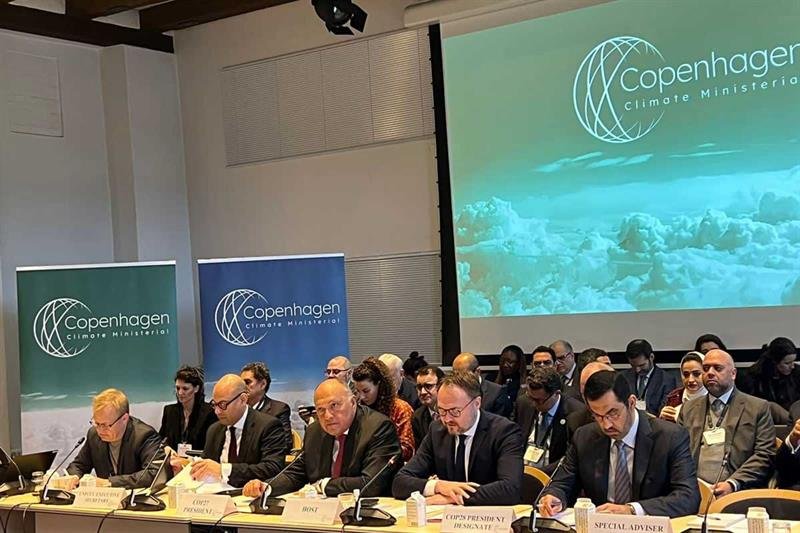
Around 40 climate leaders and ministers are meeting in Copenhagen from March 21 to 22 to discuss priorities for this year’s UN Climate Change Conference (COP 29).
The president of COP 28, Sultan Al Jaber, will co-chair the meeting with COP 29 president-designate Mukhtar Babayev and Danish host Dan Jørgensen. International Institute for Sustainable Development (IISD) energy experts are following this event and are available to comment.
Fossil fuel phase-out

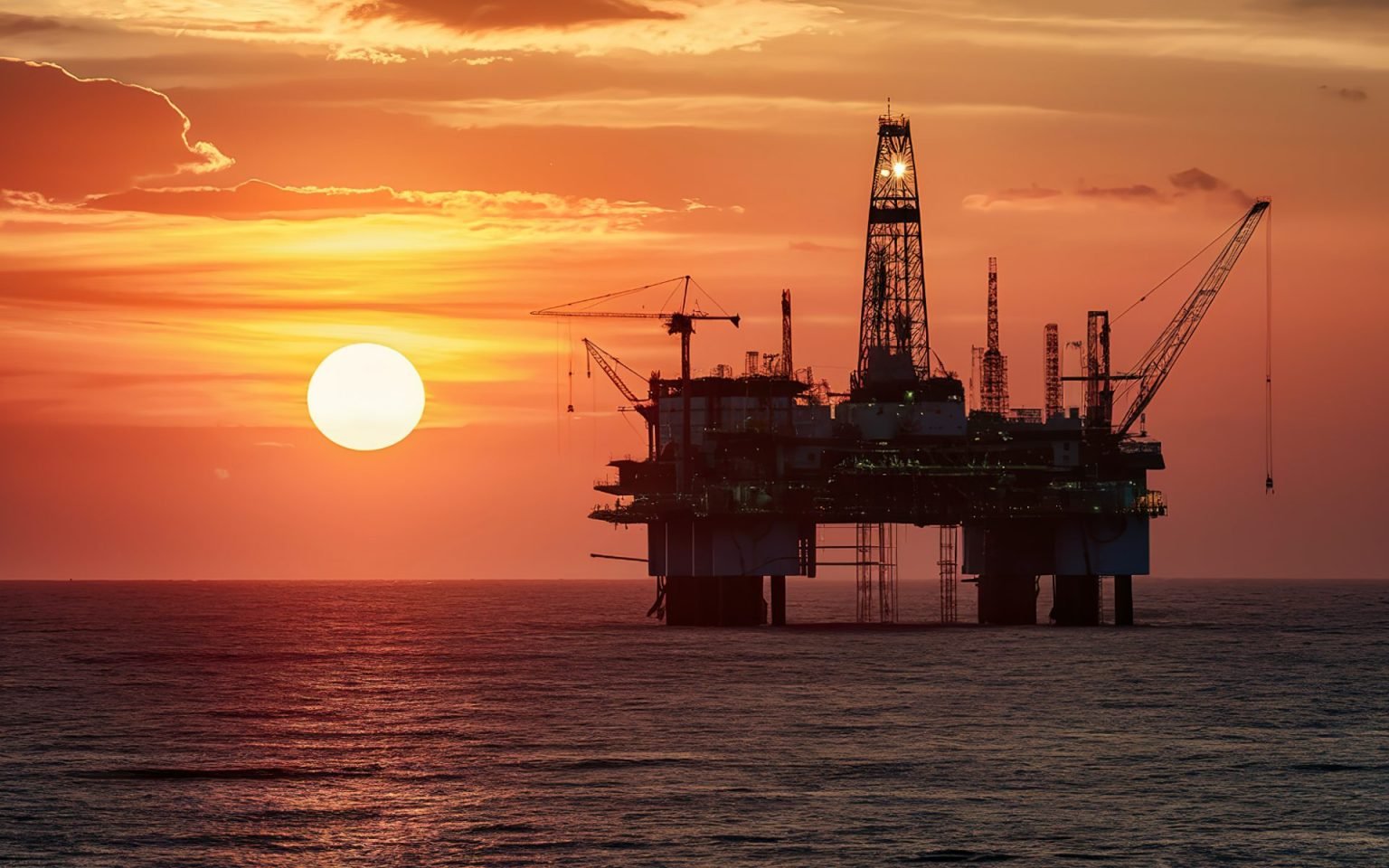
At COP 28 last December, governments agreed to transition away from burning coal, oil, and gas for energy.
“The first step in transitioning away from fossil fuels is to stop opening new oilfields, gas fields, coal mines, fossil power plants, or other infrastructure,” says Greg Muttitt, Senior Associate at IISD. “The science is clear that limiting warming to 1.5°C leaves no room for new fossil fuel projects to be built. When you are in a hole, stop digging.”
Governments are due to deliver a new round of national climate plans (nationally determined contributions) in 2025. This is an opportunity to build on emissions targets with measures to curb fossil fuel production.
“This ministerial is a moment to explore what a fair and orderly transition away from fossil fuels looks like in practice for each country and its climate targets,” says Paola Yanguas, Policy Advisor at IISD. “Setting transition milestones such as peak and phase-out dates, for example, will give workers, companies, and communities the security to plan. A goal without a plan is just a dream.”
The International Energy Agency forecasts that demand for all fossil fuels will peak by 2030, even with no new climate policies.
Vance Culbert, Senior Policy Advisor at IISD, advises: “Curbing oil and gas production is not just the right thing to do, it’s the smart thing to do. Leaders need to mobilize investment in the industries of the future, not the past.”
The 2023 report The Production Gap found that governments are collectively planning to produce more than twice as much oil and gas in 2030 as the 1.5°C carbon budget allows.
IISD analysis shows there is no room for new fossil fuel development under a 1.5°C global warming limit.
Oil and gas production falls by at least 65% globally from 2020 to 2050 in credible 1.5°C-aligned scenarios.
The Civil Society Equity Review calls on wealthy countries with low economic dependence on fossil fuels to phase out fastest and provide support to poorer countries for their transition.
Scaling up clean energy
In another ground breaking agreement at COP 28, countries agreed to triple global renewable energy capacity and double energy efficiency this decade.
While many clean technologies are competitive without subsidies, targeted government support is needed to accelerate deployment.
According to Tara Laan, Senior Associate at IISD, “Public financial support is critical to ensure that the energy transition is fast and equitable: we need to crowd in private investment, particularly in lower-income countries and for technologies that are not yet commercially viable.”
Delivering finance
Looking ahead to COP 29, governments are set to negotiate a New Quantified Collective Goal for climate finance.
Developing countries are calling for USD 1 trillion a year to support their climate plans. Rich countries were late to deliver on their previous USD 100 billion commitment from overseas development aid.
Other sources of finance, such as taxation and fossil fuel subsidy reform, are on the table to bridge the gap.
In 2022, public financial support for fossil fuels hit a record high of USD 1.7 trillion globally, according to IISD research.
“The finance battle looms large ahead of COP 29,” says Farooq Ullah, Senior Policy Advisor at IISD.
He added: “To meet this challenge, governments must now look at all forms of resource mobilization, including the domestic reform of public finances and leveraging private finance, as well as redirecting all harmful finance in line with the Paris Agreement.”