
Africa to Lead Global Energy Demand Growth as Oil, Gas and Renewables Expand to 2050 — OPEC
By Eyo Nsima
African countries are expected to emerge as one of the world’s fastest-growing energy markets over the next 25 years, driven by rapid population growth, industrialization, urbanization and expanding electricity access, according to the latest long-term outlook by the Organization of the Petroleum Exporting Countries (OPEC).
The report identifies Africa as one of the principal engines of future global energy demand, alongside India, the rest of developing Asia, the Middle East and Latin America, underscoring the continent’s growing importance in shaping the world’s energy landscape through 2050.
According to OPEC, virtually all future growth in global primary energy demand will come from developing economies, while energy consumption in many developed countries is expected to remain largely unchanged or even decline.
Africa among the biggest drivers of energy demand
Global primary energy demand is projected to rise from approximately 312 million barrels of oil equivalent per day (mboe/d) in 2025 to nearly 383 mboe/d by 2050, representing an increase of about 23 per cent, or an average annual growth rate of 0.8 per cent.
OPEC says this increase will be driven almost entirely by developing regions, with Africa expected to play a central role owing to its expanding population, growing middle class, industrial development and rising energy access.
The outlook reinforces Africa’s position as one of the few regions where energy demand is expected to increase steadily for decades.
Oil and gas remain essential
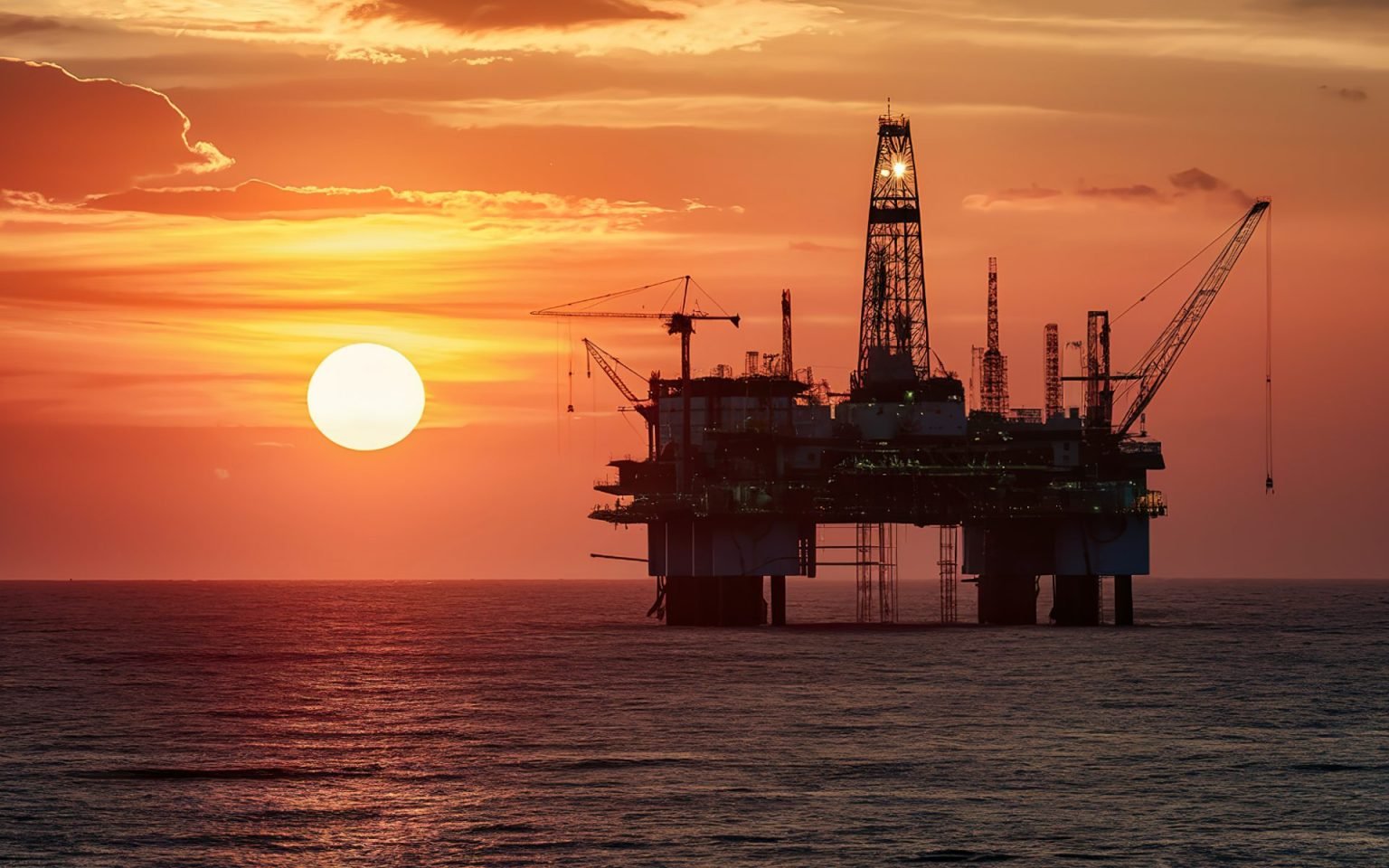
Despite rapid advances in renewable energy, OPEC projects that oil and natural gas will continue to underpin Africa’s energy future.
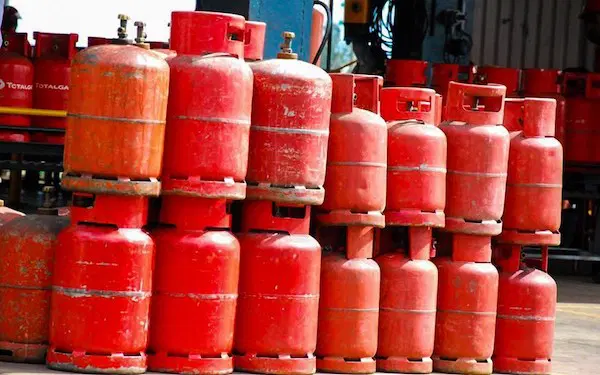
Globally, oil demand is expected to increase by 18.6 million barrels of oil equivalent per day by 2050, while natural gas demand will rise by 19.3 million barrels of oil equivalent per day.
The organization attributes this growth to the continued need for reliable, affordable and flexible energy to support economic development.
For Africa, where industrialization and electricity access remain major priorities, oil and natural gas are expected to remain indispensable for transportation, manufacturing, power generation and petrochemical production.
Major African producers such as Nigeria, Algeria, Angola, Libya and Egypt are therefore expected to continue playing strategic roles in global energy supply.
Renewables record fastest growth
While fossil fuels remain dominant, OPEC expects renewable energy to record the strongest expansion globally.
Demand for renewable energy—including solar, wind, hydropower, biomass and other clean energy sources—is projected to increase by 51.3 million barrels of oil equivalent per day during the outlook period.
Solar and wind energy will account for the largest share of this growth, supported by declining technology costs and favourable government policies.
However, OPEC notes that grid limitations, storage challenges and rising system integration costs remain significant obstacles to even faster renewable deployment.
For African countries, analysts say this presents an opportunity to combine abundant solar and wind resources with existing oil and gas assets to build more resilient energy systems.
Coal continues to decline
Unlike oil, gas and renewables, coal demand is expected to decline sharply over the coming decades.
OPEC projects global coal consumption will fall by 29.3 million barrels of oil equivalent per day by 2050 as environmental policies strengthen and electricity producers increasingly switch to cleaner energy sources.
This trend is expected to accelerate the transition toward lower-carbon electricity systems while reinforcing the role of natural gas as a transition fuel.
Oil retains leading position
Despite the rapid growth of renewable energy, oil is expected to remain the world’s largest single source of energy throughout the forecast period.
OPEC projects oil will account for just under 30 per cent of the global energy mix by 2050.
Combined, oil and natural gas are expected to represent around 54 per cent of total global energy consumption, highlighting their continued importance in supporting economic growth.
Meanwhile, renewables are projected to increase their share of the global energy mix from around 15 per cent in 2025 to approximately 26 per cent by 2050.
Massive electricity expansion ahead
Electricity demand is also expected to surge globally, creating significant opportunities for African economies seeking to improve energy access.
Global electricity generation is forecast to rise from approximately 32,000 terawatt-hours (TWh) in 2025 to around 59,500 TWh by 2050.
OPEC estimates that about 75 per cent of this increase will come from developing countries, reflecting rising demand from households, commercial activities, industry, transportation and rapidly expanding data centres.
Although developing Asia will account for the largest share of electricity growth, Africa is expected to experience one of the fastest rates of expansion as governments invest in power generation, transmission networks and rural electrification.
Wind and solar are projected to dominate future electricity generation growth worldwide, increasing from about 5,400 TWh in 2025 to roughly 26,000 TWh by 2050.
Opportunity for Africa
Energy experts say OPEC’s outlook confirms that Africa’s future energy strategy will require a balanced approach.
While renewable energy will play an increasingly important role in expanding electricity access and reducing emissions, oil and natural gas are expected to remain critical for industrialization, transportation, manufacturing and economic development.
The report suggests that continued investment in upstream oil and gas, refining, electricity infrastructure and renewable energy projects will be essential to meet the continent’s rapidly growing energy needs.
With abundant natural resources, expanding populations and rising economic aspirations, Africa is expected to remain one of the world’s most dynamic energy markets, offering significant opportunities for investors, governments and energy companies over the next quarter century.