
Decades after their deaths, Namibia to rebury eight liberation heroes
By Eyo Nsima
More than four decades after some of them died in prison, on the battlefield or under mysterious circumstances, Namibia will on Monday honour eight heroes of its liberation struggle with a state reburial ceremony at Heroes’ Acre in Windhoek.
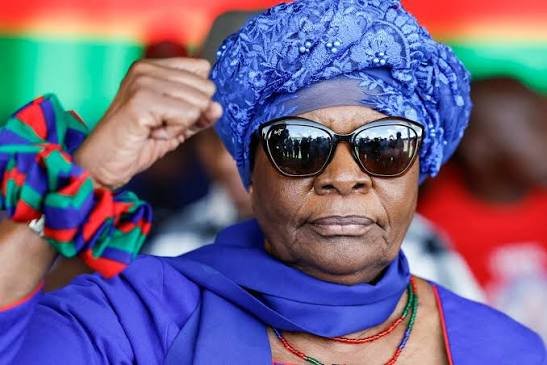
The programme released on Sunday shows that President Netumbo Nandi-Ndaitwah will lead the ceremony, which will also be attended by South Africa’s Minister of Defence and Military Veterans, Angelina Motshekga.
The ceremony will feature family tributes, military honours, a 13-gun salute, the Last Post and Reveille, prayers and wreath-laying.
The eight — Brendan Simbwaye, Tobias Hainyeko, Immanuel Nathaniel Maxuilili, Eliaser Tuhadeleni, Simon Petrus Niilenge, Immanuel Shifidi, Festus Nehale and Fillemon Nduuvu Nangolo — represent different chapters of Namibia’s struggle against South African rule.
Their stories include political mobilisation, armed resistance, imprisonment on Robben Island, execution and unresolved disappearance.
Simbwaye (1932–1972) was a teacher who abandoned his profession in 1963 to devote himself to the liberation struggle through the Caprivi African National Union. Arrested in 1964, he was later subjected to a secret terrorism trial in Pretoria. He was last seen in 1972, and the location of his original grave remains unknown.
Hainyeko (1932–1967) became the first commander of the South West Africa Liberation Army, later PLAN. He received military training in Egypt, Algeria and the Soviet Union and helped establish a SWALA training centre in Tanzania. He was killed in action while crossing the Zambezi River in 1967. His original burial site is also unknown.
Maxuilili (1927–1999) joined the Ovamboland People’s Organisation in 1959 and became SWAPO’s acting president inside Namibia. After imprisonment and house arrest, he survived to independence and later contributed to the country’s constitutional development and served in the National Assembly.
Tuhadeleni (1918–1997) was a founding member of the Ovamboland People’s Organisation and a leading community organiser. Arrested in 1966, he became Accused No. 1 in the Pretoria Terrorism Trial and was sentenced to life imprisonment on Robben Island. He was released in 1985.
Niilenge (1915–1974) was an early freedom fighter and SWALA combatant. Arrested following the 1966 battle at Omugulugombashe, he was imprisoned on Robben Island, where he died in 1974.
Shifidi (1929–1986) participated in the Battle of Omugulugombashe in 1966. He was arrested, sentenced to life imprisonment and spent 16 years on Robben Island before returning to Namibia. He was assassinated at a peaceful SWAPO rally in Katutura in 1986.
Nehale (1931–1971) participated in the armed struggle through SWALA. Arrested in 1966, he was imprisoned on Robben Island and died there in 1971.
Nangolo (1951–1977) joined PLAN in Zambia and was later deployed into Namibia. Captured after being wounded in 1976, he was sentenced to death and executed in Windhoek on May 30, 1977. The programme identifies him as the only Namibian freedom fighter to have been sentenced to death and executed.
The programme states that the caskets will arrive at Heroes’ Acre at 9:45 a.m. on Monday, before President Nandi-Ndaitwah receives them and lays a wreath at the Eternal Flame.
Family representatives will pay tribute before the caskets are taken to the burial site, followed by the 13-gun salute, military rites and the lowering of the caskets.
The ceremony will bring together Namibia’s political and military leadership, traditional leaders, the families of the deceased and senior South African officials.
For Namibia, the event will be more than a ceremonial farewell. It will formally honour a generation whose resistance, imprisonment and sacrifice helped pave the way for the country’s independence in 1990.