
Editorial: Gulf Energy Traders Are Becoming Africa’s New Commercial Bridge
Africa’s energy market is undergoing a significant shift in the sources of capital, commodities and commercial partnerships available to governments, producers and refiners.
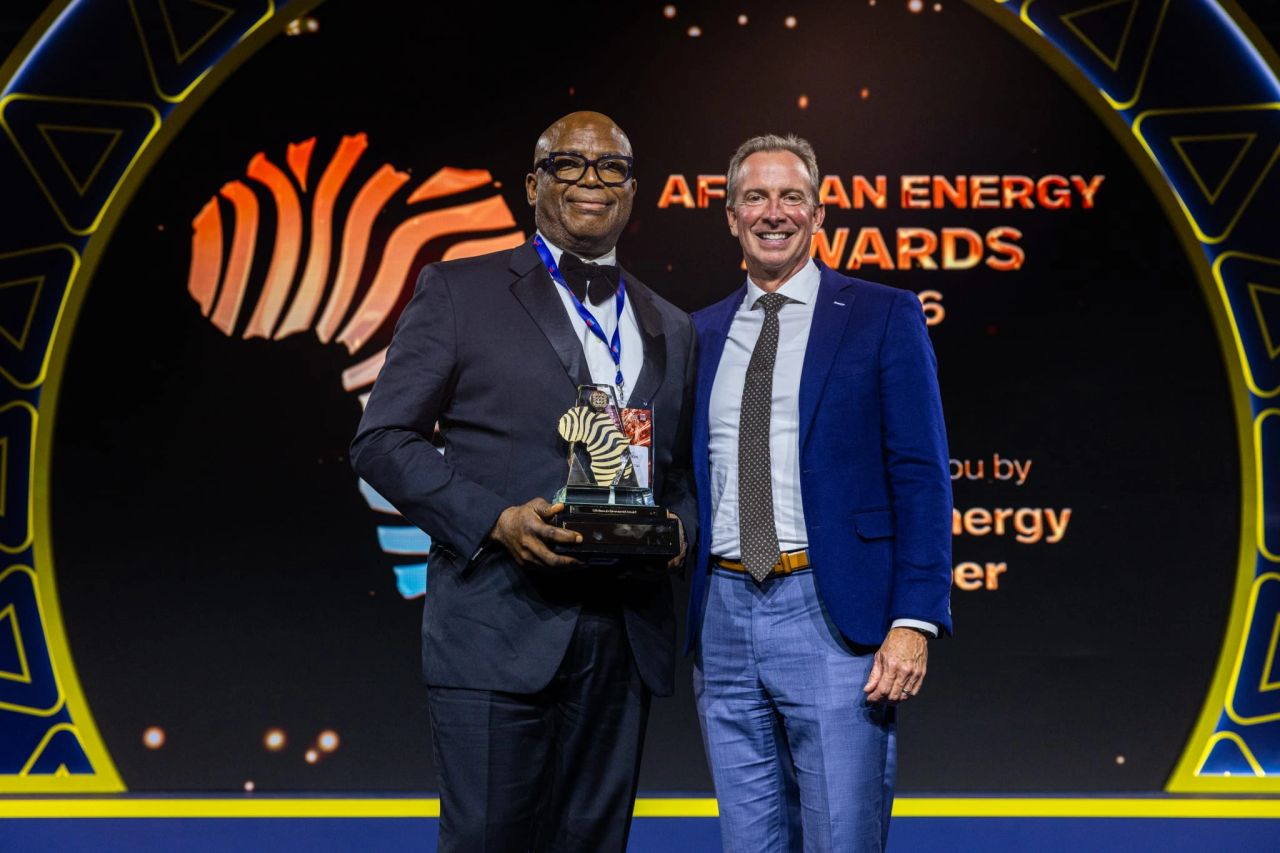
The growing presence of Dubai-based Sancorp Group at African Energy Week, AEW 2026, as a Platinum Partner is therefore more than a corporate sponsorship. It reflects a broader transformation in Africa’s energy landscape: Gulf-based companies are increasingly becoming important bridges between global energy markets and Africa’s expanding demand for crude oil, refined products, gas, LPG, fertiliser and energy infrastructure.
Sancorp’s model is particularly instructive because it cuts across the traditional boundaries of energy business. The group combines physical commodity trading, structured finance, upstream participation and oilfield services, creating a platform that can connect producers with refiners, traders with consumers and international capital with African projects.
This is precisely the kind of commercial integration Africa needs.
For decades, African energy markets have struggled with fragmented supply chains, inadequate infrastructure and limited access to affordable capital. Countries with substantial crude oil and gas reserves have often remained heavily dependent on imported petroleum products, while local refineries and energy projects have struggled to secure the financing and reliable supply arrangements required to operate at scale.
The emergence of trading groups with the capacity to provide both commodities and capital could help address some of these weaknesses.
Sancorp’s activities across Côte d’Ivoire, Ghana, Nigeria and its emerging presence in Angola demonstrate the opportunity.
Its reported transactions with major international traders, African refiners and national energy companies show how trading relationships can evolve into broader investment partnerships.
But Africa should not simply welcome Gulf capital because it is available. Governments must ensure that these partnerships produce lasting value for local economies.
The priority should be investment in infrastructure, local refining, storage, logistics, upstream production and human capital — not merely the movement of imported petroleum products from one market to another.
This distinction is important.
Africa’s energy deficit remains enormous. The continent has some of the world’s largest untapped oil and gas resources, yet millions of people still lack reliable access to electricity and modern energy. At the same time, many African countries spend billions of dollars importing refined petroleum products.
The solution cannot be perpetual dependence on imports.
Trading companies can play an important role in the transition, but their participation should ultimately help African countries develop stronger domestic energy value chains.
Nigeria provides a particularly important test case.
With the Dangote Petroleum Refinery now operating at commercial scale and other domestic refining projects seeking to expand, the country needs reliable crude supply, access to international markets, trade finance and efficient logistics.
Companies such as Sancorp can potentially contribute to these requirements by linking Nigerian producers and refiners to international markets and financing sources.
The same principle applies elsewhere.
Côte d’Ivoire is expanding its refining and downstream capacity. Ghana continues to strengthen its petroleum infrastructure. Angola is seeking to attract investment into upstream production and new refining capacity.
These markets require commercial partners capable of operating across borders and navigating complex energy supply chains.
That is where Gulf-based companies have an advantage.
Dubai and Abu Dhabi have developed into major global centres for energy trading, finance and logistics. Their companies increasingly possess the capital, market networks and commercial expertise needed to operate across emerging markets.
The growing Gulf-Africa relationship should therefore be viewed as an opportunity — but one that requires careful management.
African governments must negotiate partnerships that promote transparency, competition, technology transfer and local participation. They must also ensure that strategic energy assets do not simply become channels for extracting value from African markets without strengthening domestic capacity.
AEW 2026 provides an appropriate platform for this conversation.
Sancorp’s participation should not only be about expanding its trading book or securing new commercial relationships. It should also open a broader discussion about how Gulf capital and African resources can be combined to build stronger energy industries on the continent.
Africa needs more than commodity traders.
It needs partners willing to invest in refineries, pipelines, storage facilities, gas processing plants, power projects, ports and other infrastructure that can transform its abundant natural resources into affordable and reliable energy.
The opportunity is substantial.
As Western financial institutions become more selective about fossil-fuel investments, Gulf capital and trading houses are increasingly filling part of the space. Africa should welcome this development while remaining firmly focused on its own long-term interests.
The objective should be clear: turn commercial partnerships into productive investments, and turn Africa’s energy resources into African economic growth.
That is the real promise of the emerging Gulf-Africa energy relationship — and it is a conversation that deserves much greater attention at AEW 2026.