
Africa’s Gas Financing Gap Deepens as Western Banks Retreat
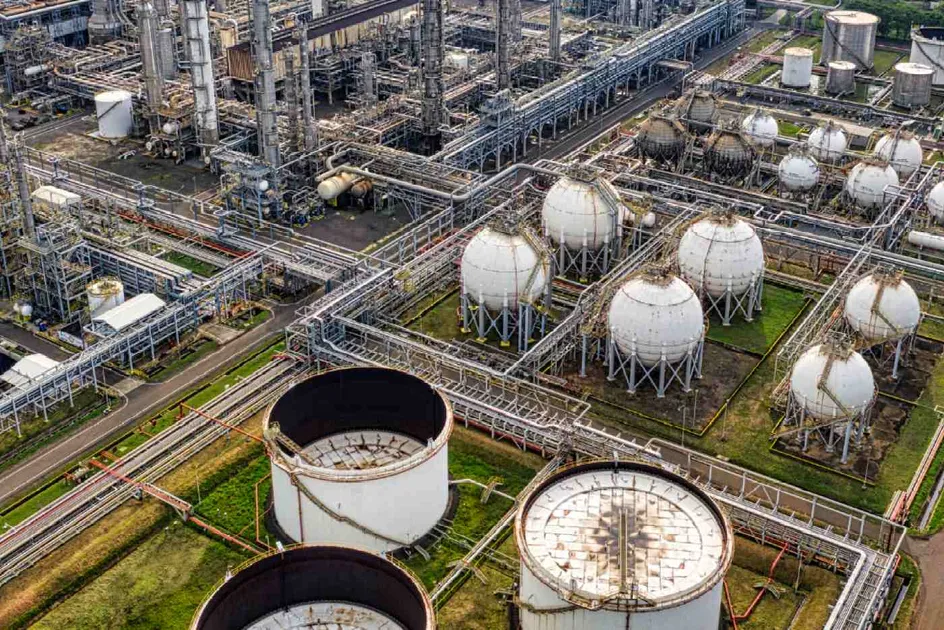
Africa’s gas industry is turning to development finance institutions, private credit and innovative risk-sharing structures to bridge a growing financing gap created by the retreat of Western commercial banks from fossil fuel projects.
The shift comes as major gas developments in Mozambique, Nigeria, Senegal, Tanzania and Equatorial Guinea approach or await final investment decisions, raising concerns over how developers will mobilise the billions of dollars required to bring projects on stream.
Western banks have steadily reduced their exposure to fossil fuel lending in Africa amid climate commitments, litigation risks and growing pressure from investors and environmental groups.
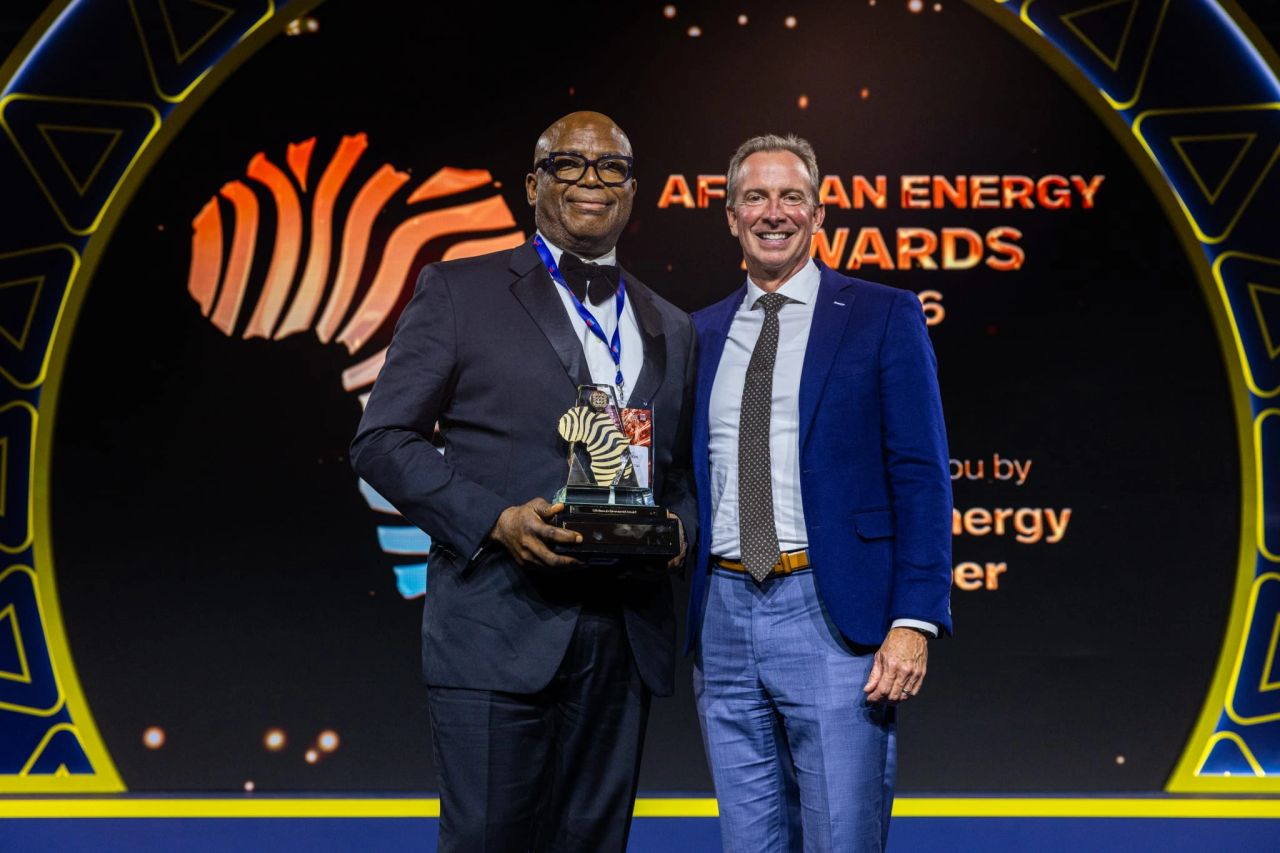
Against this backdrop, the financing challenge and emerging solutions will come under scrutiny at the Energy Finance Forum during African Energy Week, AEW 2026, scheduled for October 12-16 in Cape Town, South Africa.
A key panel, titled “The Investment Case for African Gas: Risk, Returns and Financing Structures,” will bring together developers, development finance institutions, investors and policymakers to examine new approaches to funding the continent’s gas projects.
One of the most prominent institutional responses is the Africa Energy Bank, AEB, established by the African Petroleum Producers’ Organization, APPO, and the African Export-Import Bank, Afreximbank, with an initial capital base of $5 billion.
Headquartered in Abuja, Nigeria, the bank is designed to provide financing, risk-sharing and project validation for commercially viable energy developments that may struggle to secure funding from conventional international lenders.
Another emerging solution is the expansion of multilateral guarantee instruments.
The Multilateral Investment Guarantee Agency, MIGA, entered into a $495 million framework with CrossBoundary Energy in July 2025, using a portfolio-based structure to provide protection against currency and transfer risks across as many as 20 African countries under a single agreement.
Such instruments could provide a template for African gas projects, particularly through partial credit guarantees, political-risk cover and concessional first-loss financing designed to attract institutional investors.
Private credit is also emerging as an alternative source of capital.
Direct-lending funds, mezzanine financiers and resource-backed lenders are increasingly looking at African gas opportunities, although at higher risk premiums than those historically offered by commercial banks.
For developers, private credit structures could provide access to capital while reducing dependence on equity financing and limiting shareholder dilution.
However, financing is only one side of the challenge. Domestic gas pricing remains a major obstacle to bankability in several African markets.
Gas supplied to power generators is often sold at prices below international market levels, reducing project returns and making it more difficult for developers to secure conventional project finance.
The challenge for governments and developers is therefore how to establish pricing structures that can support investment while keeping gas and electricity affordable for consumers.
The AEW discussions will also examine opportunities created by changing global gas market dynamics, particularly the disruption to energy supplies around the Strait of Hormuz.
Countries such as Algeria and Nigeria, which possess substantial gas reserves and established infrastructure, could benefit from stronger European and Asian demand if supply patterns continue to shift.
Nigeria, in particular, has significant gas resources and existing LNG infrastructure that could position it to capture additional export opportunities. But unlocking those opportunities will require faster investment decisions, reliable financing structures and infrastructure capable of moving gas from reserves to international markets.
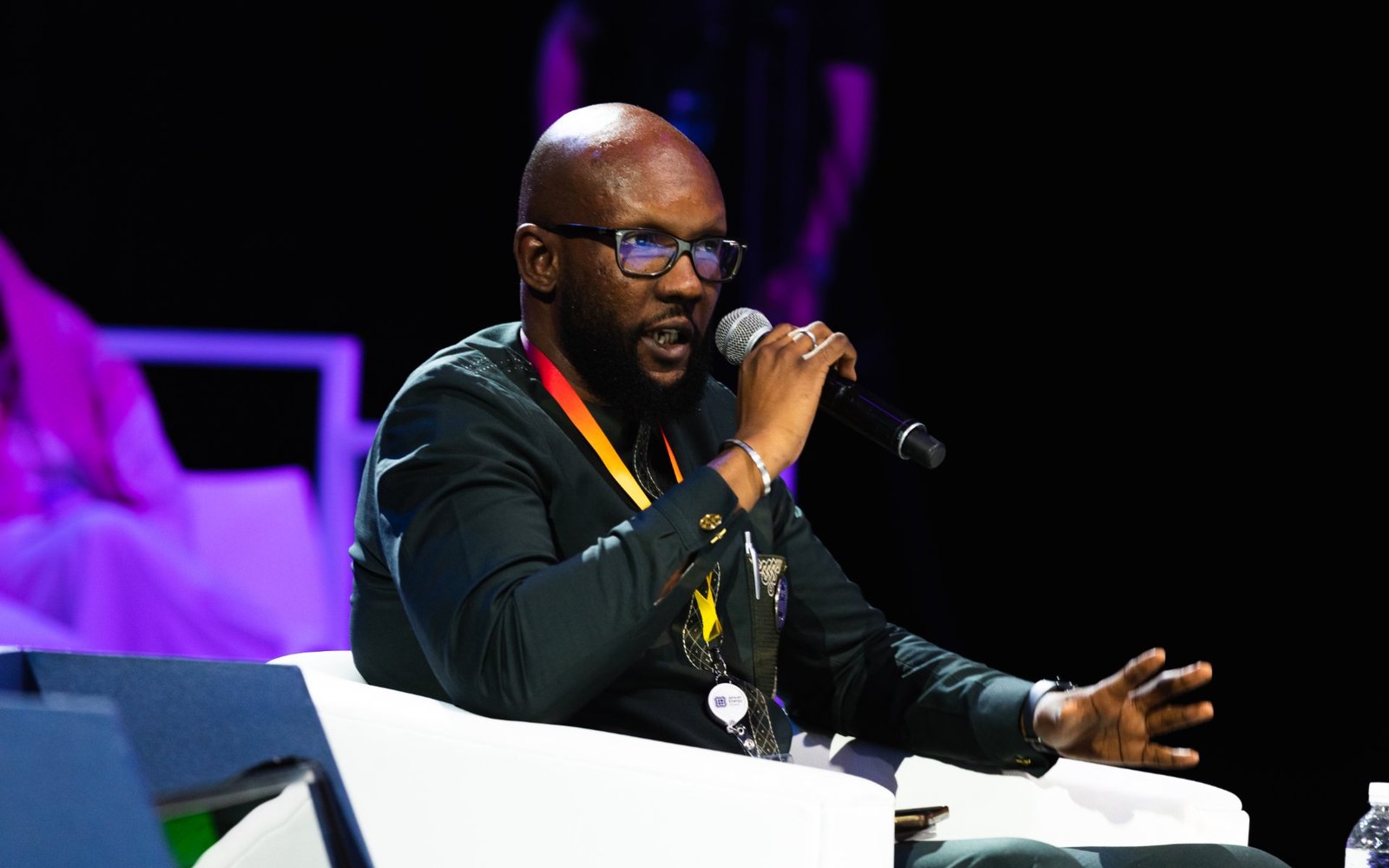
According to NJ Ayuk, Executive Chairman of the African Energy Chamber, the continent’s gas financing architecture is undergoing a major transformation.
“The financing architecture for African gas is being rebuilt in real time, with new institutions, new instruments and new investors entering the market every month,” he said.
He added that AEW 2026 would provide a platform for developers, lenders and governments to work together on financing structures capable of turning Africa’s gas resources into bankable projects.
The emerging financing landscape therefore points to a gradual shift away from dependence on Western commercial banks, with African and multilateral institutions, private capital and innovative guarantees increasingly expected to play a central role in funding the continent’s next generation of gas projects.