
155 Days Since USA-Iran War Began: African Oil Producers Face Revenue Pressure as Crude Prices Slump Since U.S.-Iran War
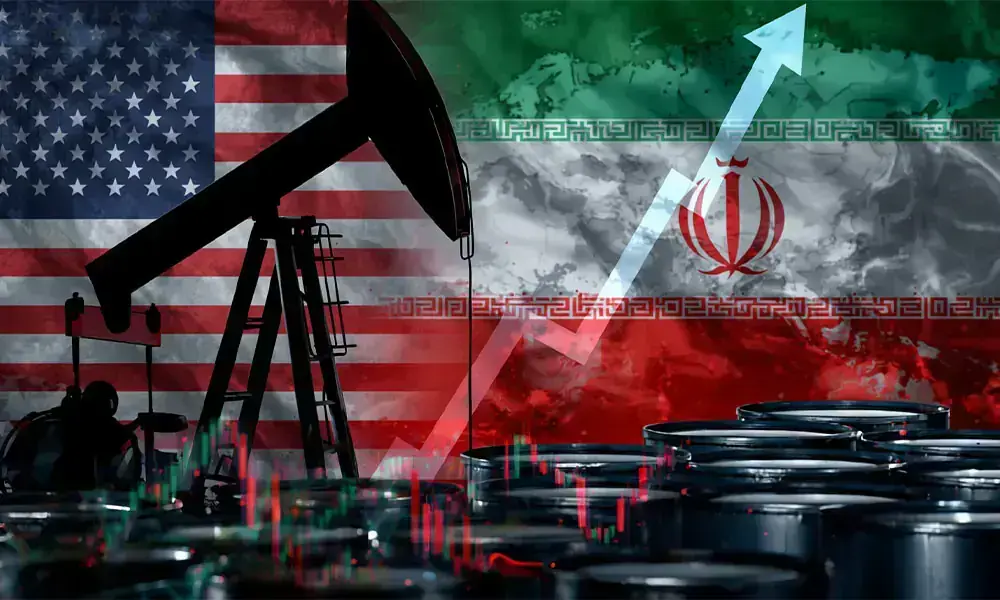
Oil-producing African nations are coming under increasing fiscal pressure following a sharp decline in global crude oil prices in the aftermath of the U.S.-Iran conflict, raising concerns over government revenues, foreign exchange earnings and investment in the continent’s petroleum sector.
Latest global market data showed that Brent crude, the international benchmark used by many African producers including Nigeria, fell to $83.35 per barrel, down 5.21 per cent, while WTI crude dropped 6.39 per cent to $79.26 per barrel.
Other key benchmarks also weakened. Murban crude declined 6.15 per cent to $80.23 per barrel, while WTI Midland recorded the steepest fall, dropping 7.10 per cent to $79.60 per barrel. The OPEC Basket stood at $88.37 per barrel, virtually unchanged on the day but well below levels seen during the peak of geopolitical tensions.
The decline marks a reversal from the price spikes witnessed during the early stages of the U.S.-Iran confrontation, when fears of supply disruptions in the Middle East pushed crude prices sharply higher.
For Africa’s major oil exporters—including Nigeria, Angola, Algeria, Libya, the Republic of Congo, Gabon and Equatorial Guinea—the recent price correction is expected to reduce export earnings despite relatively stable production.
Nigeria, Africa’s largest oil producer, is among the countries likely to feel the impact most, as crude oil accounts for the bulk of its foreign exchange earnings and a significant share of government revenue.
Lower international oil prices could weaken federally collected revenues, reduce inflows into the Excess Crude Account and place additional pressure on budget implementation if the downward trend persists.
The decline also comes at a time when many African governments are seeking billions of dollars in fresh upstream investment to reverse production declines and develop new oil and gas projects.
Industry analysts said prolonged weakness in oil prices could prompt international oil companies to delay final investment decisions, particularly on higher-cost offshore developments across West and Central Africa.
Although lower crude prices may benefit fuel-importing African countries through reduced import bills, the gains may be limited where currencies remain weak or domestic fuel markets remain partially regulated.
The downstream sector could, however, benefit from cheaper feedstock, allowing refiners to lower production costs if the decline in crude prices is sustained.
The weakness in refined product markets also reflected softer energy prices globally. Gasoline futures fell 3.83 per cent to $2.995, while heating oil declined 4.15 per cent to $3.925. Natural gas bucked the trend, edging up 0.18 per cent to 2.752.
Analysts noted that the oil market is shifting its focus from geopolitical risks to underlying fundamentals, including global demand growth, OPEC+ production policy and inventory levels.
For African oil-producing economies, the immediate challenge will be balancing fiscal expectations with a less supportive oil market while accelerating reforms aimed at diversifying government revenues beyond crude exports.
Market observers said unless fresh geopolitical disruptions emerge or OPEC+ tightens supply further, African producers may have to prepare for a period of lower oil receipts despite continued global demand for energy.