

Shell setback: South Africa risks energy insecurity as court ruling threatens offshore investment — Ayuk
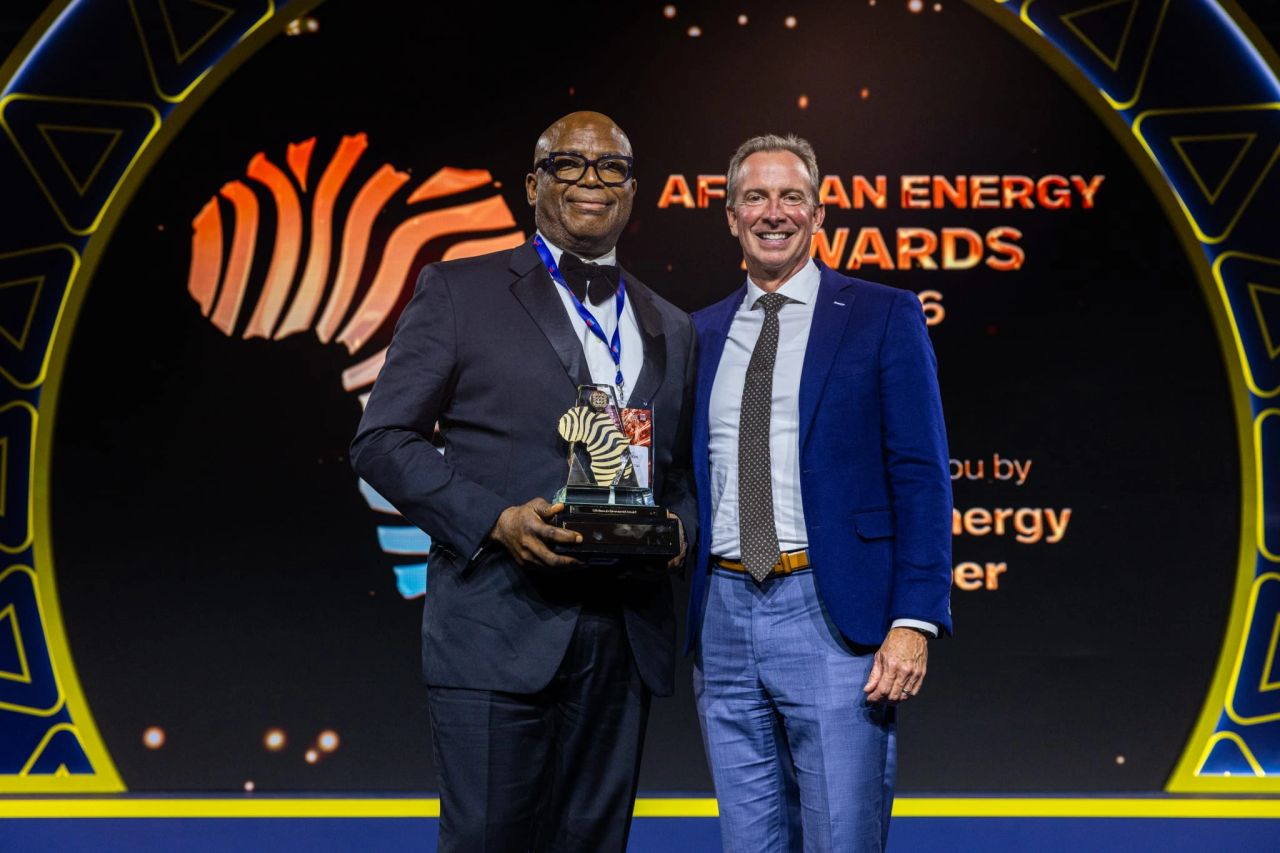
The recent South African court ruling against Shell has raised fresh concerns over the country’s energy security, investment prospects and ability to unlock its offshore oil and gas resources, according to the Executive Chairman of the African Energy Chamber (AEC), NJ Ayuk.
Ayuk said the ruling could send the wrong signal to investors at a time when African countries should be accelerating exploration and development of their energy resources to address energy shortages, create jobs and stimulate economic growth.
According to him, repeated legal challenges to major energy projects across Africa risk turning litigation into a tool for delaying legitimate investments, with potentially serious consequences for countries that remain heavily dependent on imported energy.
“The South African court’s ruling against Shell is a blow to energy security, investment, and economic opportunity. It sends the wrong message at the very moment Africa should be accelerating development, not obstructing it,” Ayuk said.
He accused foreign-funded Western non-governmental organisations of using what he described as “lawfare” to obstruct African energy projects, arguing that such actions could prevent African countries from exploiting resources needed to improve living standards.
Ayuk described the situation as “climate colonialism”, arguing that wealthy external interests should not determine the pace at which African countries develop their natural resources.
“This is climate colonialism in practice: wealthy outsiders imposing their agenda on African countries while denying millions of Africans the jobs, revenue, and reliable energy they need,” he said.
Legal battles threaten African energy projects
Ayuk pointed to similar legal and regulatory challenges facing energy projects in different parts of the continent.
He cited Mozambique, where legal and financing challenges have complicated LNG development; the East African Crude Oil Pipeline, which has faced sustained opposition and court challenges; and offshore exploration projects in South Africa that have been subjected to repeated litigation.
According to him, the cases demonstrate the growing difficulties confronting investors seeking to develop African oil and gas resources.
“Across the continent, the same pattern is emerging: lawfare is being used to slow or stop major African energy projects,” he said.
Ayuk warned that prolonged legal disputes could deter capital, delay production and reinforce Africa’s dependence on imported energy.
Orange Basin opportunity
He said South Africa’s situation was particularly concerning because of the enormous hydrocarbon potential of the Orange Basin, one of the world’s most promising frontier oil and gas regions.
Major discoveries by TotalEnergies, Shell and Galp in neighbouring Namibia have demonstrated the basin’s potential, he noted.
South Africa, which shares the geological opportunity, could potentially benefit from exploration, oil and gas production, infrastructure development and downstream industrialisation.
But Ayuk argued that uncertainty surrounding exploration could prevent the country from capturing these benefits.
“South Africa is sitting on the same geological opportunity, yet its people are being denied the benefits of exploration, development, and downstream growth,” he said.
He warned that continued delays could leave South Africa increasingly dependent on expensive imported energy while missing opportunities to create employment and generate government revenues.
AEC calls for regulatory reform
Ayuk urged the South African government to introduce clearer and more predictable legislation governing oil and gas exploration and development.
He said legislation should protect legitimate investment, establish firm timelines for consultation and prevent endless delays in project approvals.
“Communities must be heard, but the process cannot be allowed to become a permanent veto over national development,” he said.
According to him, regulatory reform should be accompanied by meaningful community engagement and stronger government advocacy for lawful energy projects.
He said these measures should operate together to provide investors with certainty while ensuring that local communities benefit from resource development.
“That means transparent consultation, predictable regulation, and a government willing to defend lawful development,” Ayuk said.
South Africa can learn from Namibia
Ayuk said South Africa could draw lessons from Namibia, which has attracted significant international interest following major oil discoveries in the Orange Basin.
He argued that clearer regulations, stronger investor engagement and a predictable operating environment would help South Africa compete for capital and unlock its offshore resources.
“South Africa can still choose a different path,” he said, urging the country to establish the legislative and regulatory framework required to develop its upstream industry.
He warned that failure to act could result in continued stagnation, fewer investment opportunities, lost jobs and foregone economic benefits.
“The time for hesitation is over. South Africa must put in place the right legislation, stop the weaponization of litigation, and allow its energy future to move forward,” Ayuk said.