
S4C, Regulators, Banks, others move to tackle problems affecting Non-Profit Organisations
By Eyo Nsima
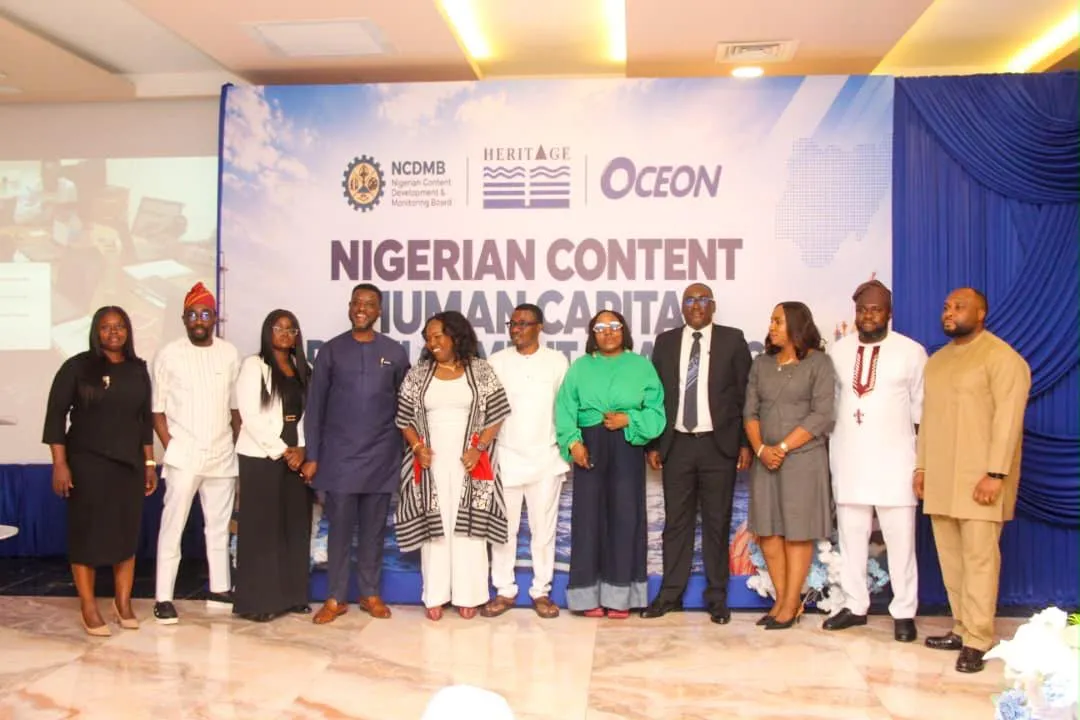
Spaces for Change, S4C, Regulators, Banks and other stakeholders have intensified efforts targeted at tackling problems affecting Non-Profit Organisations, NGOs in Nigeria.
Speaking at the inauguration of the Multi-Stakeholder working group on charities, Tuesday, the Executive Director, S4C, Victoria Ibezim-Ohaeri, said: “Today’s meeting is the inauguration of the Multi-Stakeholder working group on charities. It is a conversation that started on February 8, 2024, at the Banks and Civil Society Conference, where we discussed the impacts of banks’ enforcement of anti-money laundering and countering the financing of terrorism regulations and the impact it was having on the activities of non-profit organizations in Nigeria.
“At that meeting, we examined a lot of impacts. It was acknowledged by policymakers, regulators, law enforcement, and private sector and Non-Profit Organisations, NPOs in general that indeed there were challenges with the implementation of those measures and they were negatively affecting NPOs. We agreed at that meeting that it was important to address the issues from a multi-sectorial perspective.
“The challenges are many including the difficulties with opening bank accounts, difficulties maintaining bank accounts, restrictions on bank accounts, and how it affects the delivery of humanitarian assistance to people in the greates.
Many NPOs have had difficulties in obtaining the SCUML certificates and had their bank accounts blocked for that purpose.
There were concerns about certain policies around Bank Verification Number, BVN, National Identification Number, NIN, and some NPOs have foreign trustees or foreign directors who cannot enroll for NIN, BVN, they had their accounts blocked for that purpose.
“We had high bank charges, where a lot of NPOs were now spending a huge chunk of their money paying commissions, bank charges, and all that, and these are public donations that are used to service those things.
“We also had concerns about the ways banks, sometimes the overzealousness on the part of banks as shown in the way they implementing this anti-money laundering and combating the financing of terrorism (AML/CFT) measures was causing the problem. We had concerns about particular areas, like in the Northeast, where there are no banks at all, where NPOs have to use cash, and when they use cash, they are criminalized, and they are arrested. These are challenges and they need to be resolved.
“The regulators are here. They have turned out in their large numbers to be part of this conversation, and they are committed to working together with non-profits to address these issues.”
Similarly, the Technical Consultant, MSWGC and Managing Director of Patterson Consulting, Mr. Pattison Boleigha, said: “The work started when the executive director of Space for Change presented the issues that NPOs and NGOs are facing in Nigeria. All those issues will be dissected, and we will look for the solutions; that is why we have all these stakeholders together, the banks, the NGOs and the regulators. We intend to look for solutions. We also intend to place them on specific persons for implementation.
“The essence of this stakeholder working group is to create that balance because we know that there are some NGOs that are being used for illicit purposes. We are going to use this platform to empower the banks, the financial institutions, and other designated financial institutions who will now use the knowledge they are going to gain from here to be able to assist in determining who the bad NGOs are and who the good ones are.
“It is through the banks that a lot of these things happen. The banks will then know how to differentiate between the good NGOs and the bad NGOs, and then be able to provide support for the good NGOs and deter the bad NGOs from using the banking system to do any harm. This is what we intend to achieve. A lot of the controls that are required to be done here will lie in the financial institutions and the designated non-financial businesses and professions.”
He added: “There will be training. Also, we are going to be giving the financial institutions a copy of the National Risk Assessment on NGOs. The SCUML office will give it to them so that they can understand it. The Financial Action Task Force, FATF guidance note on NGOs will help the banks understand how to differentiate the NGOs and put them in the various risk brackets and be able to apply appropriate measures while dealing with them.”