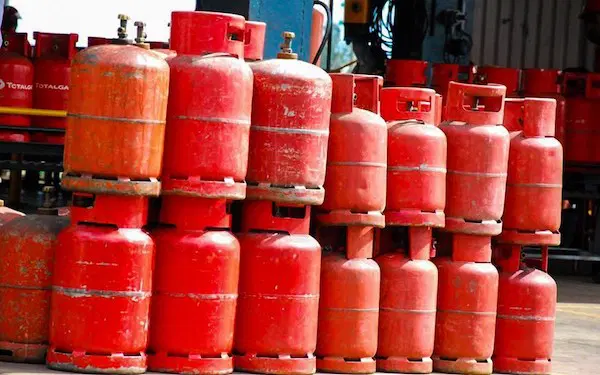


Removal subsidy has encouraged private sector participation in the energy
By President Bola Tinubu
It is my great pleasure to welcome you all to the grand inauguration of the 7th edition of the Nigeria International Energy Summit (NIES 2024) as we embark on a journey that is not just about discussions and deliberations but about renewed hope and shaping the future of our nation’s energy landscape.
I would like to extend my sincere gratitude to each and every one of you who has contributed to the success of this summit. Your presence here today reflects a shared commitment to addressing the challenges and opportunities that lie ahead in the dynamic and ever-evolving world of energy.
This marks the first edition of NIES during my administration, and I am honored to stand before you as we collectively chart a course for the sustainable and secure energy future of Nigeria.
The theme of this year’s summit, “Navigating the New Energy World Order: Security, Transition, and Finance,” is not only timely but also critical as we find ourselves at the crossroads of a rapidly transforming global energy landscape.
Energy Security, as we know, is of paramount importance. It is not just a national concern; it is a global imperative. In the face of emerging challenges, both geopolitical and technological, we must ensure the resilience of our energy infrastructure. The decisions we make today will impact the energy security of generations to come.
This platform affords me a great opportunity to once again address a crucial issue that has been at the forefront of our national discourse – the removal of the petroleum subsidy.
Our great nation has long been dependent on the revenue generated from oil exports, and as we stand at the crossroads of the 21st century, it is imperative that we re-evaluate our energy policies to ensure a sustainable and secure future. The decision to remove the petroleum subsidy is a challenging one, but it is a step we must take to secure our energy future and foster economic growth.
Energy security is a paramount concern for any nation striving for economic stability and development. It encompasses not only the availability and accessibility of energy resources but also the resilience of our energy infrastructure. The petroleum subsidy has, over the years, strained our economic resources, leading to inefficiencies and, most importantly, hindering our ability to invest in critical areas of energy security.
By removing the subsidy, we are creating a more transparent and accountable energy sector. The funds that were previously allocated to subsidizing petroleum products are now redirected towards developing and upgrading our energy and other social infrastructure.
Furthermore, the removal of the subsidy has encouraged further private sector participation in the energy industry with potential of attracting more local and international investors, fostering innovation and competition that will drive down costs and improve the overall efficiency of our energy sector.
I am acutely aware of the immediate impact this decision may have had on our citizens, especially those with lower incomes. Therefore, in parallel with the subsidy removal, my administration is committed to implementing social intervention programs to mitigate the short-term effects on vulnerable populations. These programs will ensure that the burden of the subsidy removal is shared equitably and that the most vulnerable among us are protected.
The decision to remove the petroleum subsidy is not an easy one, but it is a necessary one for the long-term energy security and economic prosperity of our beloved nation. I call upon all stakeholders, including industry experts, policymakers, and the general public, to engage in constructive dialogue and collaboration as we navigate these challenging but transformative times. Together, we can build a resilient and sustainable energy future for Nigeria.
While we are immersed on energy security, let us not forget that Energy Transition is another key aspect of our discussions. We stand on the brink of a new era, where traditional energy sources are being complemented and, in some cases, replaced by cleaner and more sustainable alternatives. This transition is not only an environmental necessity but also an economic opportunity. We must leverage innovation and collaboration to ensure a smooth and just transition that will leave no one behind.
Finance, as always, plays a pivotal role in driving the energy agenda. Adequate funding is crucial to support the development and deployment of cutting-edge technologies, infrastructure, and projects that will shape our energy future. As a nation, we must explore innovative financing models, engage with the private sector, and attract investments that will propel us towards a more resilient and diversified energy sector.
The collective wisdom in this room is a powerful force, going by the collection of government, industry leaders, academia, and civil society coming together under the NIES 2024 platform to share insights, and forge collaborations that will drive progress. I have no doubt that the discussions over the next few days will be instrumental in shaping policies and strategies that will define our energy future.
I challenge each one of you to actively participate, engage in meaningful discussions, and contribute your expertise towards finding solutions to the complex energy challenges we face. Together, we can navigate the new energy world order with resilience, innovation, and a shared commitment to a sustainable and secure energy future for Nigeria.
– Being the Keynote Address by President Bola Tinubu at the Opening Ceremony of the 7th NIES, Abuja, Nigeria on February 27, 2024