
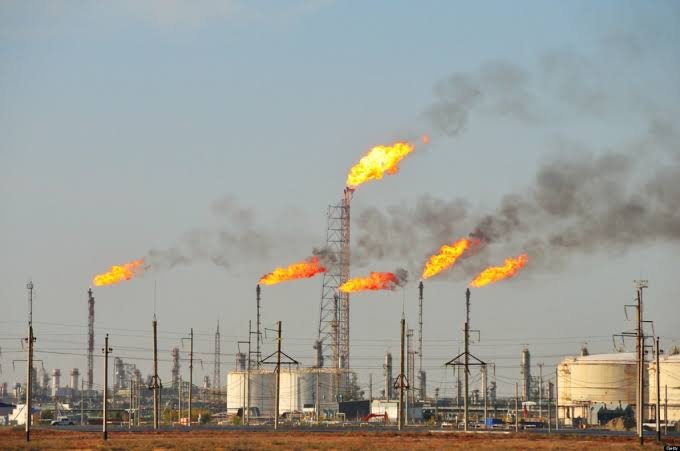
Nigeria’s 97.6bn scf gas flaring highlights Africa’s energy paradox
By Eyo Nsima
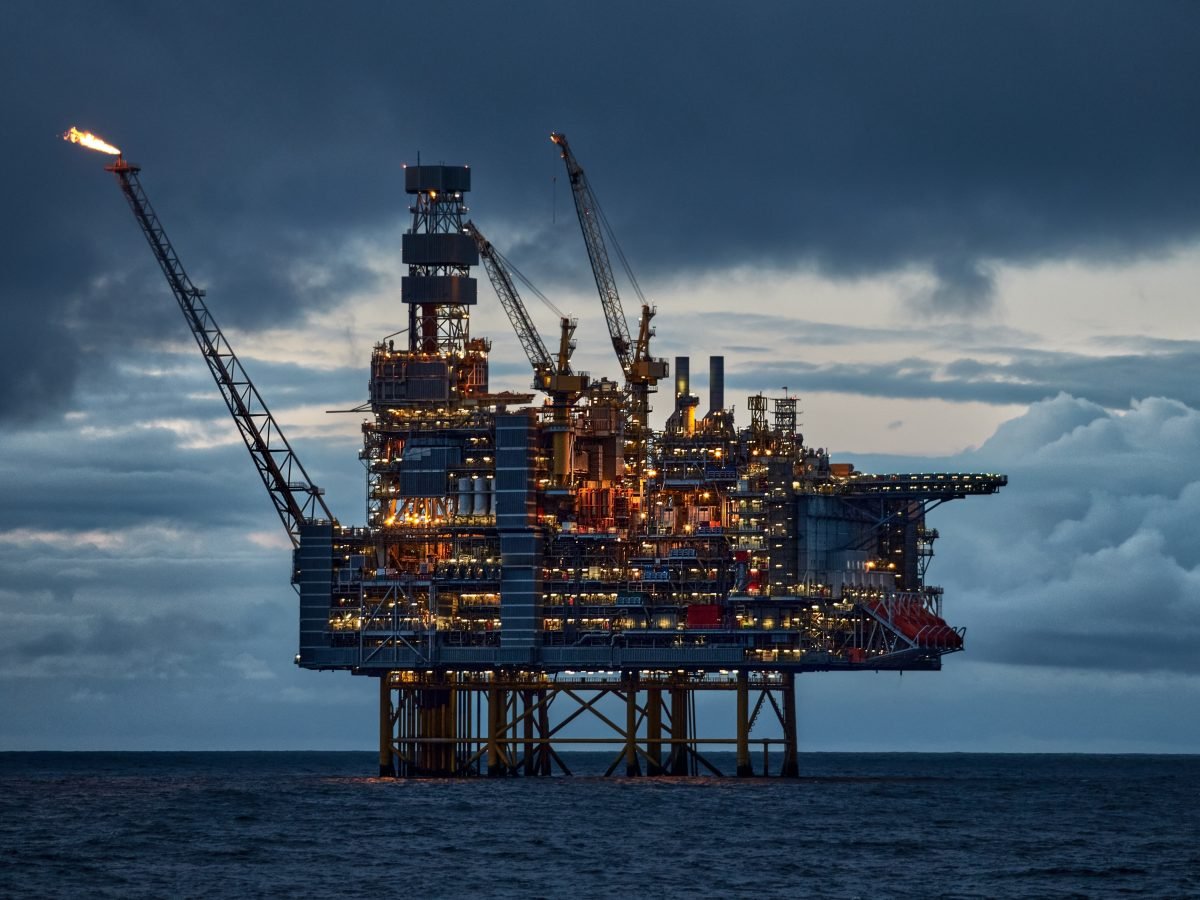
Nigeria flared 97.63 billion standard cubic feet (bscf) of natural gas in the first six months of 2026 despite utilising more than 92 per cent of its gas production, highlighting Africa’s enduring challenge of wasting valuable energy resources while millions of people across the continent remain without access to reliable electricity and clean cooking fuel.
Data from the Nigerian Upstream Petroleum Regulatory Commission (NUPRC) showed that Nigeria produced 1.426 trillion standard cubic feet (tscf) of gas between January and June 2026. Of this volume, 97.63 bscf, representing about 6.8 per cent, was flared instead of being captured for productive use.
The country utilised 1.323 tscf of gas for domestic supply, exports and field operations, maintaining a utilisation rate above 92 per cent throughout the six-month period.
The figures reinforce Nigeria’s position as one of Africa’s largest gas producers, but also underscore the broader dilemma facing the continent: abundant natural gas resources coexist with widespread energy poverty.
Africa’s energy deficit
According to energy experts, the volume of gas flared by Nigeria alone during the first half of the year could have been deployed to support electricity generation, industrial development and cleaner cooking solutions in a region where hundreds of millions of people still lack modern energy services.
Sub-Saharan Africa continues to face one of the world’s largest electricity access gaps, with many countries relying on expensive diesel generators because of inadequate power infrastructure.
Capturing flare gas for power generation could help reduce dependence on imported fuels, lower electricity costs and improve energy security across the region.
Missed economic opportunities
Beyond its environmental impact, gas flaring represents a significant economic loss.
Gas that is burned off at oil fields could instead be processed into liquefied petroleum gas (LPG) for cooking, compressed natural gas (CNG) for transportation, feedstock for fertiliser and petrochemical industries, or liquefied natural gas (LNG) for export.
These value-added industries are increasingly important as African countries seek to diversify their economies, create jobs and expand manufacturing.
Analysts said reducing flaring would also increase government revenue and attract investment into gas-processing infrastructure.
Climate commitments under scrutiny
The latest figures also raise questions about Africa’s ability to meet its climate commitments while pursuing economic development.
Nigeria, Angola, Algeria, Libya and the Republic of Congo are among Africa’s major oil and gas producers, and all have pledged to reduce greenhouse gas emissions.
Routine gas flaring remains one of the largest sources of carbon emissions from upstream petroleum operations.
Although Nigeria’s flare rate remained below seven per cent during most of the review period, environmental experts argue that much faster progress is needed if African producers are to meet international emissions targets while preserving access to climate finance.
Regional implications
The report comes as several African countries are expanding gas development projects to improve energy access and reduce dependence on imported petroleum products.
Nigeria is promoting its “Decade of Gas” programme, while Mozambique, Senegal, Mauritania and Tanzania are developing major natural gas projects aimed at boosting exports and domestic industrialisation.
Energy analysts believe these investments will achieve greater impact if accompanied by stronger policies to minimise flaring and maximise gas utilisation.
A continental opportunity
The African Continental Free Trade Area (AfCFTA) also presents an opportunity for greater regional cooperation in gas development.
Improved cross-border pipelines, LNG distribution networks and regional gas markets could enable countries with surplus gas resources to supply neighbours facing energy shortages.
Experts argue that reducing gas flaring should therefore be viewed not only as an environmental obligation but also as a strategic economic priority for Africa.
As governments pursue industrialisation and universal energy access, they say every cubic foot of gas conserved could contribute to electricity generation, cleaner transportation, fertiliser production and economic growth.
For Africa, the challenge is no longer simply producing more gas. It is ensuring that the gas already being produced is fully utilised to power development rather than being lost to the atmosphere through routine flaring.