
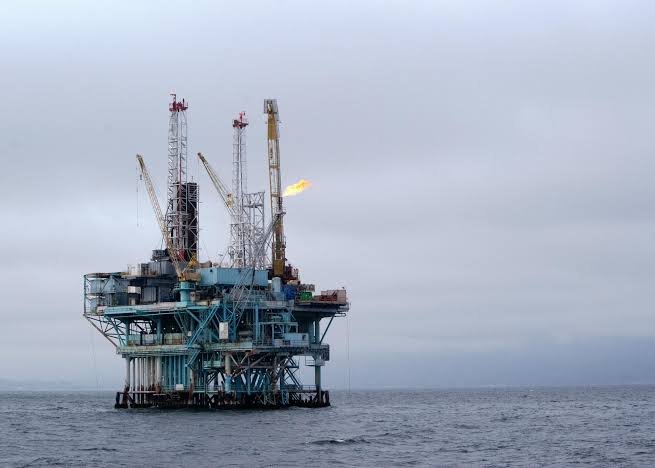
Global oil drilling rebounds as rig count rises to 1,950
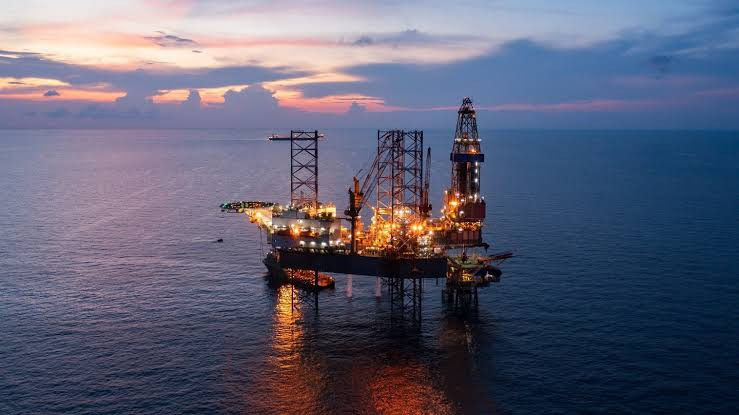
Global oil and gas drilling activity rebounded in July 2026, with the number of active rigs worldwide rising to 1,950, up 57 rigs from 1,893 in June, according to the latest global rig count data.
The increase, equivalent to about 3.0 per cent month-on-month, was driven mainly by stronger activity in North America, which accounted for 34 of the additional rigs.
The July total also represented a recovery from the 1,832 rigs recorded in Q2 2026, although global drilling remains below the 2,019 rigs recorded in 2024. The 2025 average stood at 1,890 rigs.
US, Canada drive recovery
The United States recorded the largest monthly increase, adding 19 rigs to reach 585, while Canada added 15 to reach 198.
The combined US and Canadian total of 783 rigs represented about 40 per cent of global drilling activity in July.
The OECD Americas region consequently rose to 811 rigs from 777 in June.
Drilling also increased across OECD Europe, where the rig count climbed by eight to 80, with Norway and the UK each adding one rig. OECD Asia Pacific added one rig to 21. Overall, the OECD rig count increased by 43 rigs to 912 in July.
Non-OECD activity strengthens
Non-OECD countries added 12 rigs, taking their total to 426.
Other Asia increased by four rigs to 201, Latin America added five to 107, while the Middle East gained three to 62. Africa remained unchanged at 47 rigs.
The African figure remains relatively low compared with the continent’s 67-rig average in 2023 and 52 in 2024, although it was slightly above the 44-rig average recorded in 2025.
OPEC stable
OPEC’s rig count edged up by two rigs to 612 in July. Saudi Arabia accounted for most of the increase, adding five rigs to reach 274, while Iraq added two to 12.
Libya reduced its count by three to 27, while Kuwait and Gabon each lost one rig.
Nigeria’s rig count remained at 18, unchanged from June. The figure represents an improvement over the country’s 13-rig average in 2025 and 15 in 2024.
Oil drilling leads
Oil-directed rigs accounted for most of the global increase, rising by 41 to 1,444.
Gas rigs increased by eight to 442, while rigs classified under other activities rose by eight to 64.
Oil rigs therefore represented roughly 74 per cent of the global rig fleet in July.
Investment signal
The July recovery provides a positive signal for global upstream investment, but it does not yet indicate a return to the drilling levels seen in previous years.
The global rig count remains below the 2024 average, while the sharp decline between 2023 and 2025 shows that producers remain cautious about capital deployment.
For Africa, and particularly Nigeria, the relatively low rig count remains a concern. Sustained exploration and drilling are essential to arrest natural field decline, develop new discoveries, increase reserves and raise crude and gas production.
The July figures show that global upstream activity is recovering, but investment remains concentrated in markets where producers see the strongest commercial returns.