
As Ayuk backs new industry council, says Sangomar, GTA projects offer huge opportunities
By Eyo Nsima
Senegal is mobilising indigenous companies to capture a bigger share of its expanding oil and gas industry, as the country targets emergence as West Africa’s leading energy services hub by 2035.
The initiative, driven by the establishment of the Senegalese Oil, Gas and Energy Services Council, is expected to unite local service providers, strengthen their competitiveness and improve their access to financing, international certifications, partnerships and contracts.
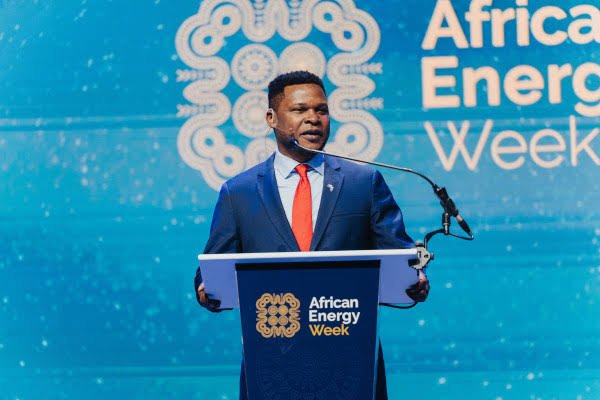
The Executive Chairman of the African Energy Chamber (AEC), NJ Ayuk, who congratulated stakeholders behind the initiative in a LinkedIn post, described its establishment as timely, given the country’s growing oil and gas production and investment opportunities.
He cited developments at the Sangomar oilfield, the commencement of liquefied natural gas exports from the Greater Tortue Ahmeyim (GTA) project and the availability of 109 open oil and gas blocks as major opportunities for indigenous companies.
According to him, Sangomar produced 36.1 million barrels in 2025 and 17.9 million barrels in the first half of 2026, against a full-year production target of 31.6 million barrels. The field has a production capacity of 100,000 barrels per day.
Ayuk said the developments had created a substantial market for local oilfield services, engineering, logistics, equipment supply and subcontracting, adding that indigenous businesses must organise themselves to take advantage of the opportunities.
“Timing is everything in this business, and let me tell you, this Council comes at the absolute right moment,” he wrote.
He stressed that strengthening local participation was critical to ensuring that Senegalese businesses and citizens benefited directly from the country’s growing petroleum industry.
“You don’t build a lasting house from the roof down; you start with a solid foundation. If we want to make energy poverty history and put real, good-paying, skilled jobs on the table for everyday Senegalese folks, our homegrown companies have got to organise themselves,” he said.
According to Ayuk, foreign companies often secure a significant share of oil and gas contracts because local businesses lack the scale, financial resources and collective strength to compete effectively.
He argued that bringing indigenous operators together under a common platform would enable them to improve their bargaining power and compete for larger contracts.
“When local businesses band together under one banner, they stop competing for scraps and start commanding a seat at the big table,” he said.
He identified five key areas through which the council could strengthen local companies, including pooling resources for costly international certifications, accessing financing from local banks, establishing joint ventures, building collective capacity and creating a verified national supplier directory.
Ayuk said the supplier directory would enable international oil companies and major operators to identify qualified Senegalese businesses for contracts, partnerships and other commercial opportunities.
Beyond commercial benefits, he said an independent industry council would provide a platform for local businesses to engage government and contribute to policies affecting the petroleum industry.
“Lawmakers need folks with dirt on their boots and skin in the game to speak truth to power,” he wrote, stressing that industry operators should help policymakers identify unnecessary regulations and policies capable of discouraging investors or undermining local enterprises.
He commended Senegal’s Minister of Energy, Petroleum and Mines, Dr El Hadji Abdourahmane Diouf, for supporting the initiative and giving indigenous businesses a stronger voice in the country’s energy development.
Ayuk also expressed confidence in the leadership of Ibra Ndiémé Ndiaye, chairman of the new council, describing him as a champion of Senegal’s energy industry.
He pledged the African Energy Chamber’s support for the council and its members, saying: “You can count on the African Energy Chamber standing shoulder to shoulder with him and every single member of this council.”
Describing the initiative as a major step towards strengthening indigenous participation, Ayuk said: “They didn’t just form a committee; they just built Team Energy Senegal.”
He added that the council represented a declaration of the country’s determination to take greater ownership of its energy industry, develop local expertise and retain more economic value from its petroleum resources.
“That is a loud and clear statement to the rest of the world that we are stepping up to champion our own energy sector, on our own terms, and turning Senegal into West Africa’s premier energy services hub by 2035,” he wrote.
For Nigeria and other African petroleum-producing countries, Senegal’s initiative highlights the importance of strengthening indigenous service companies, improving access to finance, promoting local expertise and ensuring that domestic businesses secure a greater share of investments in the continent’s oil and gas industry.