
By Eyo Nsima
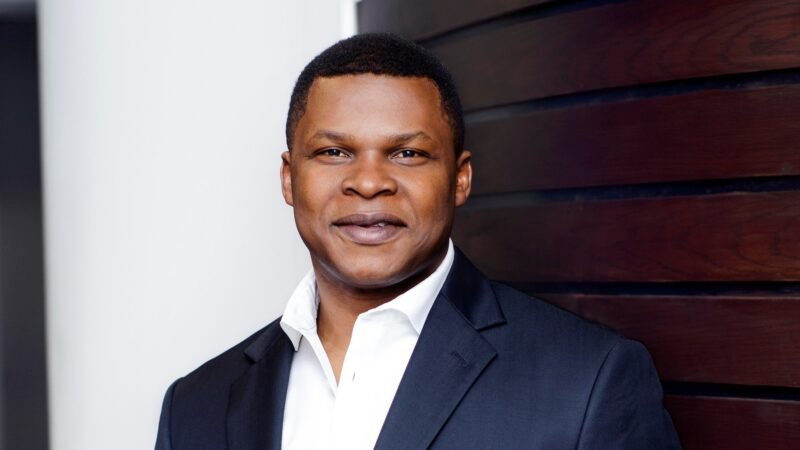
The Executive Chairman of the African Energy Chamber (AEC), NJ Ayuk, has criticised what he described as double standards in global energy transition policies, following Germany’s plan to make 7.45 gigawatts (GW) of coal-fired and 805 megawatts (MW) of oil-fired power generation capacity available as backup against a possible gas supply emergency.
Ayuk argued that the move reinforces Africa’s position that energy security, industrialisation and economic development should remain central to global energy policies, rather than imposing uniform restrictions on countries with different development needs.
In a commentary published amid the 31st United Nations Climate Change Conference (COP31) in Türkiye, he questioned why African countries were being pressured to leave their oil, gas and coal resources undeveloped while European economies continued to rely on fossil fuels to protect their industries and households.
“Right in the middle of the big climate sermon over at COP31, Europe’s industrial powerhouse Germany just quietly filed a motion to bring 7.45 gigawatts (GW) of coal and 805 megawatts (MW) of oil power plants out of its grid reserve and back onto the market in case of a winter gas emergency,” he said.
Under the proposed arrangement, operators would be required to prepare the affected plants for possible deployment in the event of a gas shortage. The proposed fuel requirements include sufficient coal for 30 days of full-capacity operation and oil supplies for 10 days.
Ayuk noted that Germany already had more than 23GW of coal and lignite capacity operating in the electricity market.
“Even with over 23 GW of coal and lignite already running on their open market, Berlin went straight back to coal and oil for backup,” he said.
While acknowledging Germany’s responsibility to protect its households and industries, Ayuk questioned the implications of the country’s approach for developing economies.
“I want the German people to stay warm, keep their factories humming, and enjoy rock-solid energy security. Germany is a global industrial engine, and you cannot run a heavy-duty economy on wishful thinking and fairy dust,” he said.
He added: “When reality hits the fan, physics beats ideology every single day of the week and twice on Sunday.”
The AEC chairman maintained that African countries should enjoy similar flexibility in developing their natural resources, particularly as millions of people across the continent remain without electricity and clean cooking facilities.
According to the International Energy Agency (IEA), more than 560 million people in sub-Saharan Africa lack access to electricity, while approximately 970 million lack clean cooking facilities.
Ayuk said: “Nearly 600 million Africans still live without electricity, accounting for 85 per cent of the entire world’s energy-deprived population. 970 million Africans (roughly four out of five households) still lack access to clean cooking fuels, forcing families to burn wood and charcoal.”
He also criticised financing restrictions confronting African energy projects, arguing that the continent needed substantial investment to address its infrastructure deficit.
“Africa accounts for less than three per cent of global CO2 emissions, yet Western banks are trying to starve us of the $15 billion a year needed just to turn the lights on,” he said.
Ayuk insisted that African countries should be allowed to develop their oil, gas and coal resources to expand electricity supply, support industrialisation, create jobs and improve living standards.
“Deprivation is not development,” he declared.
He further argued that Germany’s proposed emergency power arrangements should encourage a broader discussion about the role of conventional energy in Africa’s development.
“If 8.25 gigawatts of emergency coal and oil are good enough to protect German industry and German households, then African oil, gas, and coal are more than good enough to lift 600 million Africans out of the dark,” he said.
He added: “We are done with the double standards. We are done asking for permission.”
Ayuk concluded by urging African countries to prioritise energy development and investment, arguing that the continent should determine its energy future based on its resources and development requirements.
“What’s good for the goose in Frankfurt is good for the gander in Johannesburg, Luanda, and Abuja,” he said.
His comments add to the debate at COP31 over how countries can balance climate commitments with energy security, affordable electricity and industrial development.
For Nigeria, Africa’s largest oil producer, the debate is particularly relevant as the country seeks to attract investment into oil exploration, natural gas development, processing and electricity generation while expanding renewable energy deployment.