
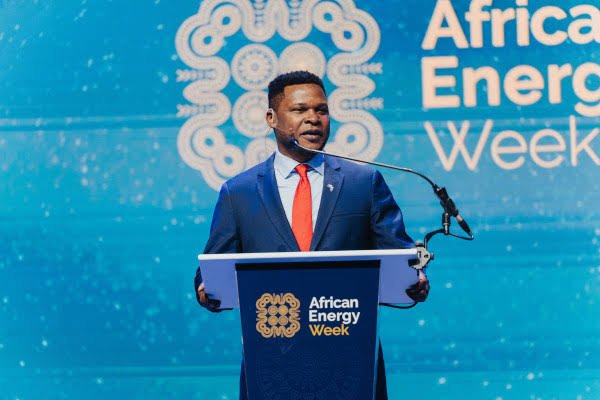
AEC chairman backs OPEC chief’s call for pragmatic energy transition at COP31
Africa needs oil, natural gas, renewables, hydrogen and carbon capture technologies to address its energy poverty, strengthen electricity supply and accelerate industrialisation, NJ Ayuk, Executive Chairman, African Energy Chamber (AEC), has said.
Ayuk, who spoke while reacting to remarks by Haitham Al Ghais, Secretary-General of the Organisation of Petroleum Exporting Countries (OPEC), at COP31 in Türkiye, said Africa could not achieve sustainable economic development by excluding oil and gas from its energy mix.
He called for a pragmatic energy transition that recognises the continent’s development needs, investment requirements and energy infrastructure challenges.
According to him, Al Ghais delivered a much-needed message to the global climate community by stressing that the world was entering an “age of all energies”, where energy security required foresight, realism and investment.
Ayuk said: “At the African Energy Chamber, we have been sounding this exact alarm for years. It is easy to preach about ‘phasing out’ oil and gas from a comfortable conference room in Paris, or when your own countries already industrialised on the back of cheap, reliable energy.”
He argued that such calls failed to recognise the challenges facing African countries, particularly the millions of people without access to electricity and clean cooking facilities.
“Try telling that to the 655 million people living without electricity or the 2 billion people still cooking with harmful fuels. Those aren’t just statistics in a think-tank report; they are human stories,” he said.
Ayuk maintained that the Paris Agreement was designed to reduce emissions rather than restrict developing countries’ choices of energy sources.
“As the Secretary-General rightly reminded the world, the Paris Agreement is about reducing emissions, not picking and choosing which energy sources developing nations are allowed to use to survive,” he stated.
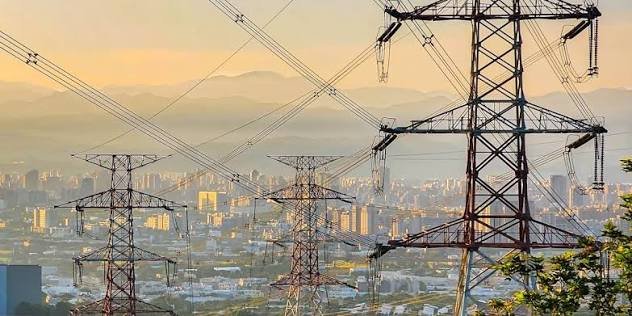
He further explained that expanding electricity infrastructure and building power grids required substantial investments, machinery and petroleum-derived products.
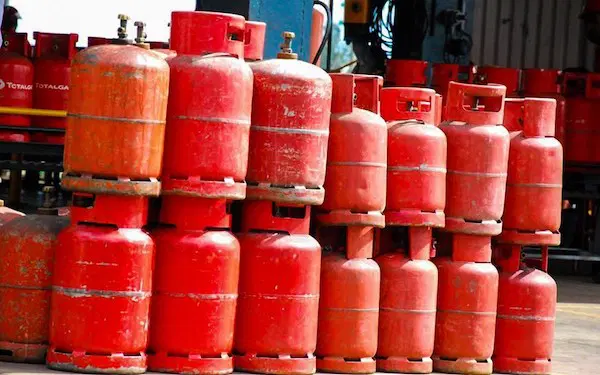
On clean cooking, he described liquefied petroleum gas (LPG), a product of the oil and gas industry, as essential to improving public health and expanding access to cleaner household energy.
“LPG, a direct byproduct of oil, is essential to saving lives across Africa today, not in 2050,” he said.
The AEC chairman also warned that Africa could not achieve industrialisation by removing reliable and affordable baseload power sources without addressing the financial costs and supply-chain challenges associated with rapid electrification.
“Build a power grid with good intentions” was not enough, he argued, stressing that infrastructure development required practical solutions and sustained investments.
Ayuk identified renewables, natural gas, oil, hydrogen and carbon capture, utilisation and storage (CCUS) as essential components of a diversified energy mix capable of addressing the continent’s energy challenges.
He said: “Ideology doesn’t keep the lights on. You cannot industrialise a continent by taking reliable, affordable baseload power off the table while ignoring the massive financial burdens and supply-chain bottlenecks of rapid electrification.”
He urged international policymakers and climate stakeholders to adopt energy policies that balance emissions reduction with energy security, affordability and economic development.
“Africa refuses to be a museum for climate activists while our people remain in the dark,” he declared.
Ayuk commended Al Ghais for defending the right of developing countries to pursue economic prosperity while contributing to global climate objectives.