
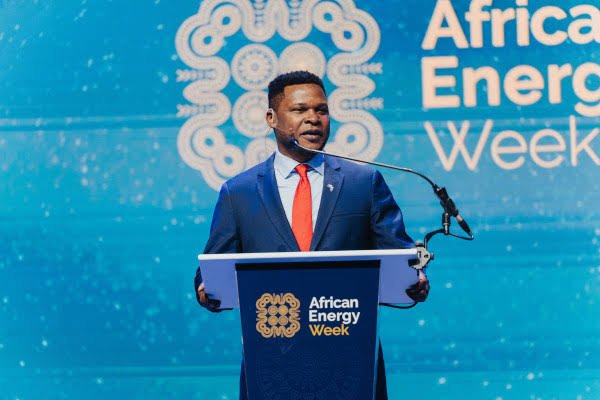
Ayuk: Africa must be allowed to use gas to industrialise
By Eyo Nsima
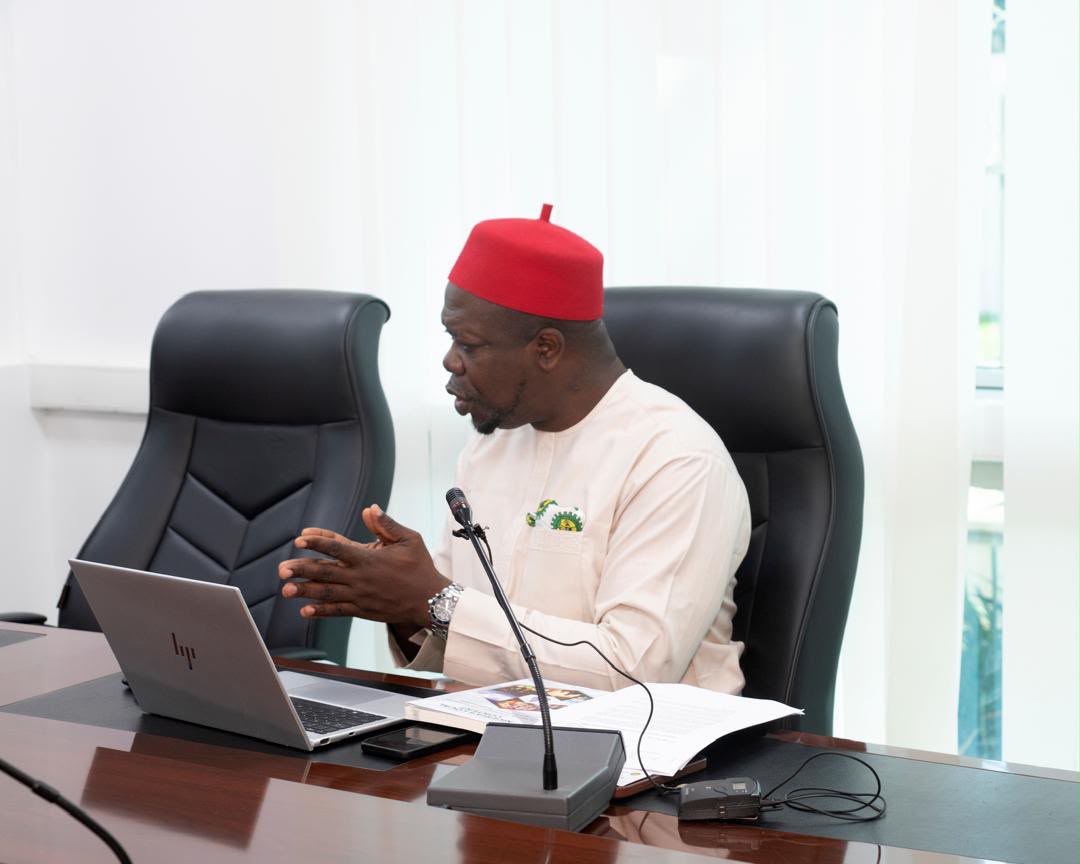
Africa must be allowed to develop and use its abundant natural gas resources to address energy poverty and drive industrialisation, Executive Chairman of the African Energy Chamber, NJ Ayuk, has said.
Ayuk, who made the call after participating in the Russia-Africa Energy Dialogue in Moscow, said Africa could not industrialise without reliable and affordable energy, insisting that natural gas must remain part of the continent’s energy mix alongside renewables.
“Africa is not asking to choose between natural gas and renewable energy. We are asking for an all-of-the-above strategy,” he said.
According to him, the urgency is underscored by the continent’s huge energy deficit, with nearly 600 million Africans still lacking access to electricity and almost one billion without access to clean cooking solutions.
“Families need reliable power. Hospitals need electricity. Young Africans need jobs. Farmers need fertilizer. Businesses need affordable energy to grow. A continent cannot industrialize on good intentions alone,” Ayuk said.
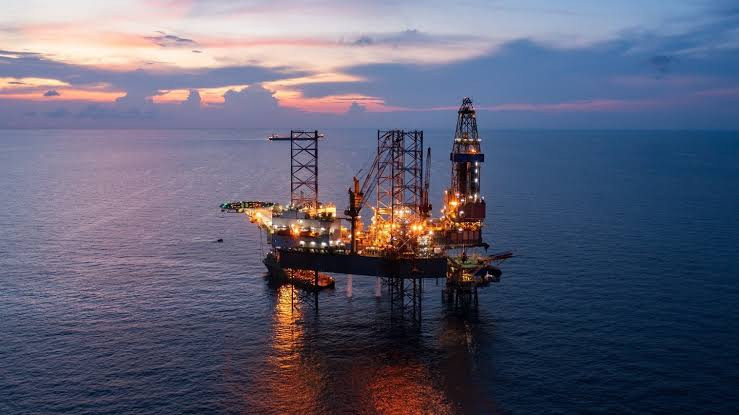
He said natural gas could provide the reliable energy needed to support power generation, manufacturing, fertiliser production, transportation and other economic activities.
Citing the Gas Exporting Countries Forum, GECF, Ayuk said Africa’s gas demand is projected to more than double by 2050, reaching nearly 400 billion cubic metres annually.
He said meeting that demand would require close to $1 trillion in investment, with about 90 per cent expected to go into upstream development and infrastructure required to supply domestic and export markets.
“That investment is not only about gas. It is about power plants, manufacturing, fertilizer, transportation, jobs, hospitals, schools, and human dignity,” he said.
“It is about helping build reliable domestic energy markets and turn natural resources into broad-based opportunity.”
Ayuk also challenged what he described as a double standard in the global energy transition, arguing that European countries continue to depend on natural gas while African nations are increasingly pressured to restrict investment in their own gas resources.
He cited data showing that Europe’s natural gas consumption rose 6.5 per cent year-on-year in the first half of 2025, while LNG imports increased by 25 per cent to 92 billion cubic metres.
“Western countries continue to depend on gas while urging Africa to leave its own resources in the ground,” Ayuk said.
“Gas is treated as a practical transition fuel when it supports Europe, yet financing gas projects in Africa is too often described as unacceptable or toxic.”
He argued that Africa should not be denied access to the same energy resources that developed economies continue to rely on for energy security and economic growth.
“Gas cannot be considered a reasonable part of the energy mix for one continent and a moral failure for another,” he said.
“Africa should not be asked to remain poor in order to satisfy standards that others do not apply to themselves.”
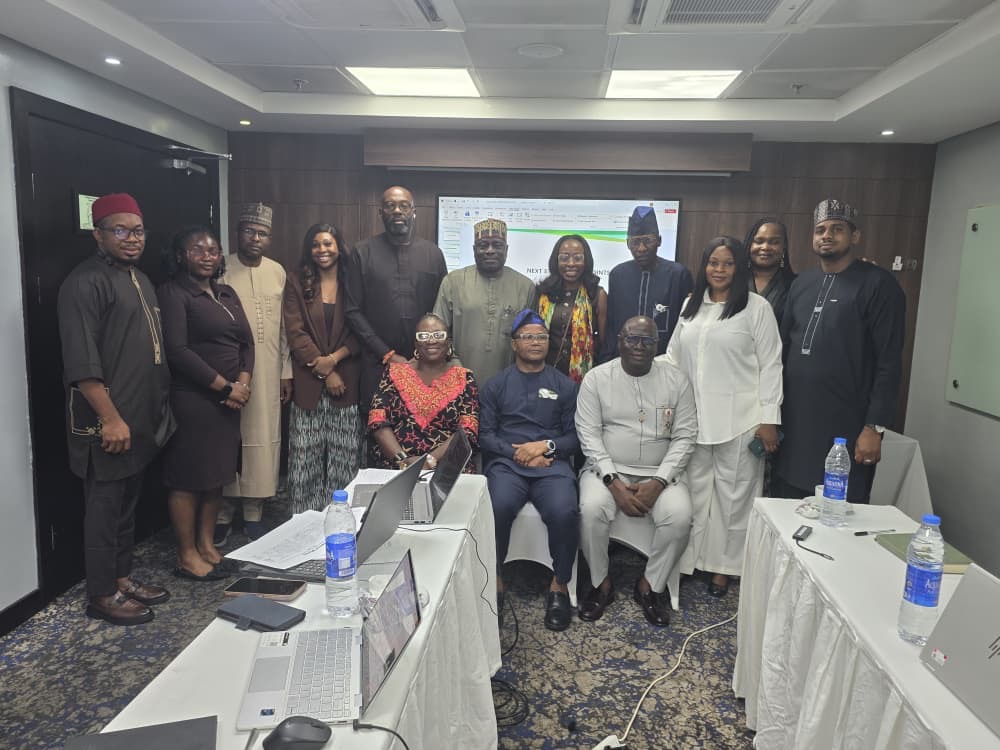
Ayuk said the Moscow dialogue provided an opportunity for discussions on “partnership, technology, energy security, and Africa’s development.”
“At the end of the day, this is about people — not just pipelines, platforms, or production figures,” he said.
He thanked Roman Marshavin, Deputy Minister of Energy of the Russian Federation; Pavel Valerievich Oderov; Dmitry Khandoga; Nigeria’s Ambassador to Russia, H.E. Philip Mshelbila; and Gazprom and Gazprom Neft for hosting the dialogue.
Ayuk said Africa would continue to work with partners willing to invest in its people, respect its energy choices, build local value and support more stable energy markets.
“The future of African energy must be built on affordability, reliability, access, and opportunity,” he said.