
159 Days Since USA War: Africa Caught Between Higher Oil Revenues and Rising Energy Costs
By Eyo Nsima
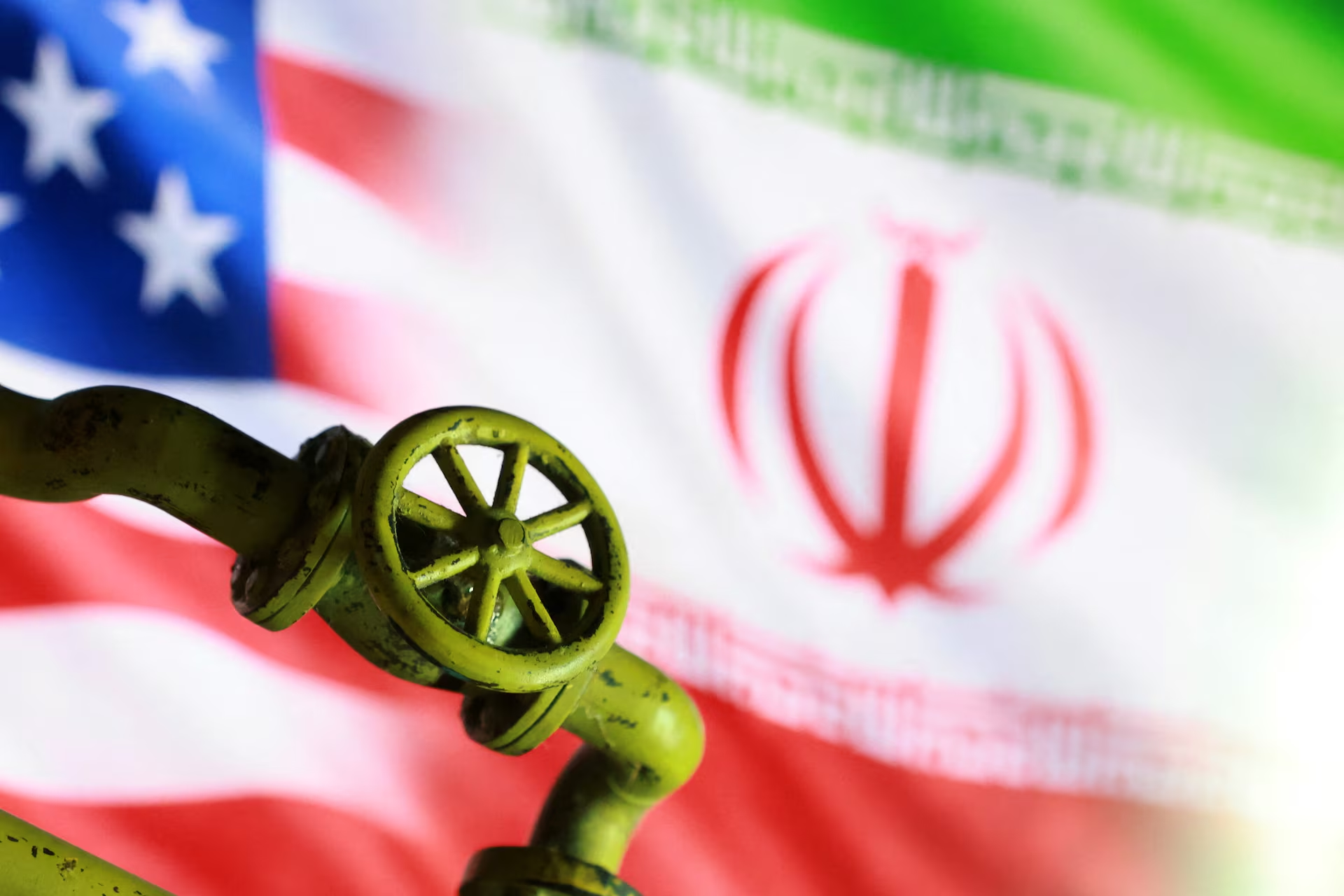
The prolonged US-Iran war and disruption of oil shipments through the Strait of Hormuz continue to reshape the global oil market, creating both opportunities and risks for African economies.
Brent crude stood at $87.83 per barrel, up 0.87 per cent, while West Texas Intermediate (WTI) rose 0.52 per cent to $81.67. Murban crude fell 2.32 per cent to $88.02, while the OPEC Basket declined marginally to $85.86.
For oil-producing countries such as Nigeria, Angola, Algeria and Libya, higher crude prices could boost export earnings, government revenues and foreign-exchange inflows. Nigeria could particularly benefit from stronger demand for its Atlantic Basin crude as Asian refiners seek alternatives to Middle Eastern supplies affected by the conflict.
However, the price increase also presents serious challenges. Many African countries remain dependent on imported refined petroleum products. Higher crude and product prices could raise the cost of petrol, diesel, aviation fuel and LPG, with wider effects on transportation, manufacturing, electricity generation and food prices.
For Nigeria, the crisis underscores the importance of increasing crude production and expanding domestic refining capacity. Stronger crude prices could provide additional government revenue, while increased local refining would reduce exposure to international refined-product markets.
The conflict is also creating opportunities for African crude producers to strengthen their position in global markets. With Asian buyers looking for alternative supplies, producers with reliable output and efficient export infrastructure could increase their market share.
But the benefits will depend on how effectively governments manage additional oil revenues. Using windfalls to strengthen foreign-exchange reserves, reduce fiscal vulnerabilities and invest in energy infrastructure could provide longer-term protection.
With Brent approaching $90 per barrel, Africa faces a delicate balance between benefiting from higher crude prices and managing rising energy costs.
The crisis reinforces the need for higher oil production, domestic refining, energy diversification and stronger fiscal buffers to improve Africa’s energy security.