
156 Days Since USA-Iran War Began: Africa counts gains as oil prices remain firm, but inflationary risks persist
By Team Countdown
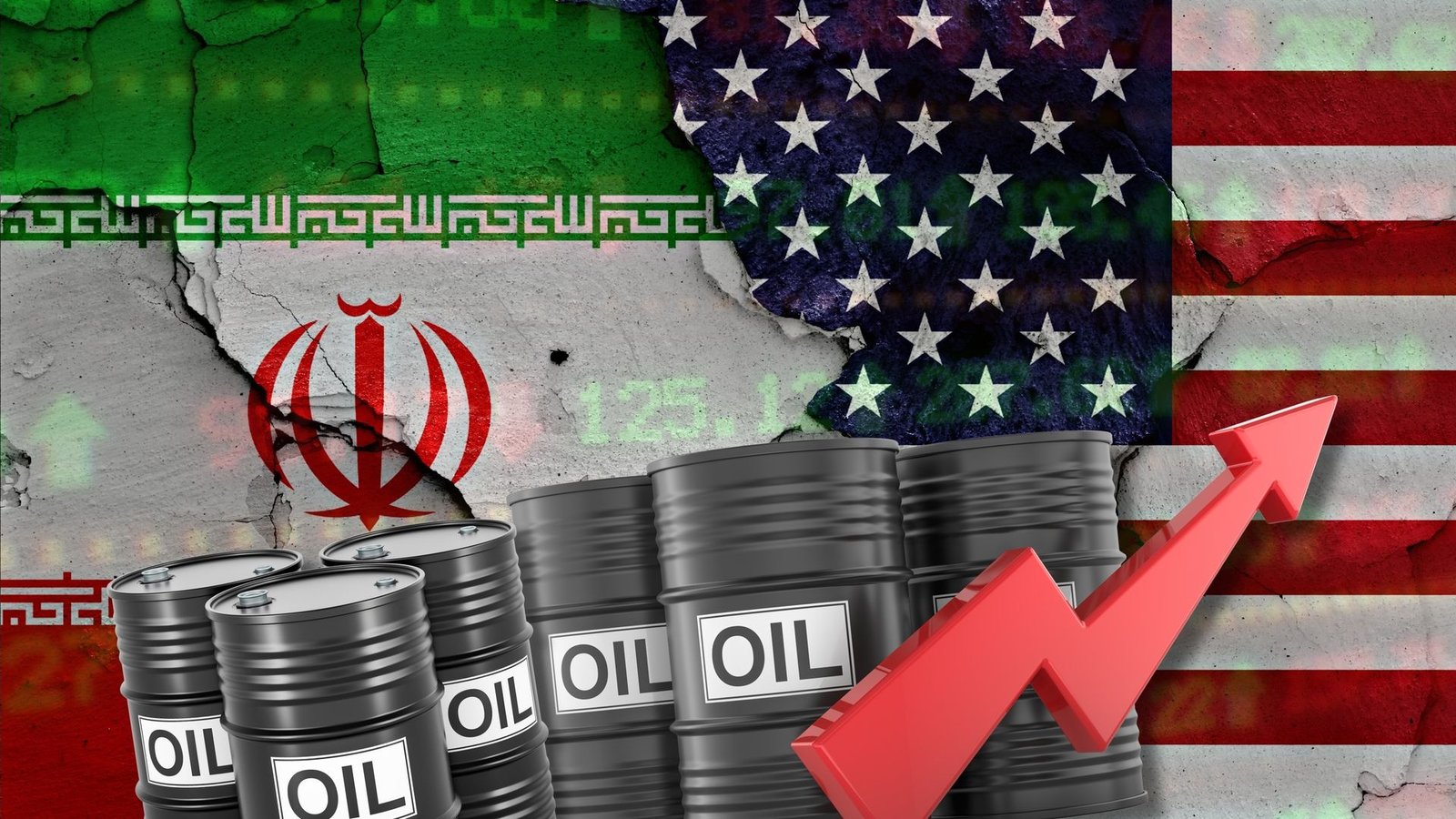
Nearly five months after the outbreak of the United States-Iran conflict, Africa’s oil-producing economies continue to enjoy relatively firm crude oil prices, providing a much-needed boost to government revenues, foreign exchange earnings and investment sentiment, even as higher energy costs deepen inflationary pressures across oil-importing nations on the continent.
Latest global oil market indicators show that Brent crude traded at $78.80 per barrel, while West Texas Intermediate (WTI) stood at $75.07 per barrel, with the OPEC Basket at $79.50 per barrel. Although prices have eased slightly from their conflict-induced peaks, they remain well above levels that support the fiscal assumptions of many African oil producers.
The sustained price strength reflects continued geopolitical uncertainty in the Middle East, where fears of supply disruptions through the Strait of Hormuz have kept a geopolitical premium embedded in crude prices despite adequate global supplies.
For Africa, the impact has been mixed.
Oil-exporting countries such as Nigeria, Angola, Algeria, Libya, Ghana, Congo, Equatorial Guinea and Gabon have recorded stronger export earnings than would have been possible under a low-price environment. Higher prices have also improved the economics of upstream investments, encouraging international oil companies and indigenous operators to proceed with projects that had previously faced uncertain commercial viability.
In Nigeria, where the 2026 budget depends significantly on oil revenue, relatively higher prices have helped cushion the impact of production shortfalls. The country’s crude production has also improved in recent months following enhanced security measures, pipeline surveillance and increased investment in upstream operations.
Industry analysts noted that if Nigeria succeeds in sustaining production above 1.7 million barrels per day while prices remain close to $80 per barrel, government revenues would receive significant support, helping finance infrastructure projects and reduce fiscal pressures.
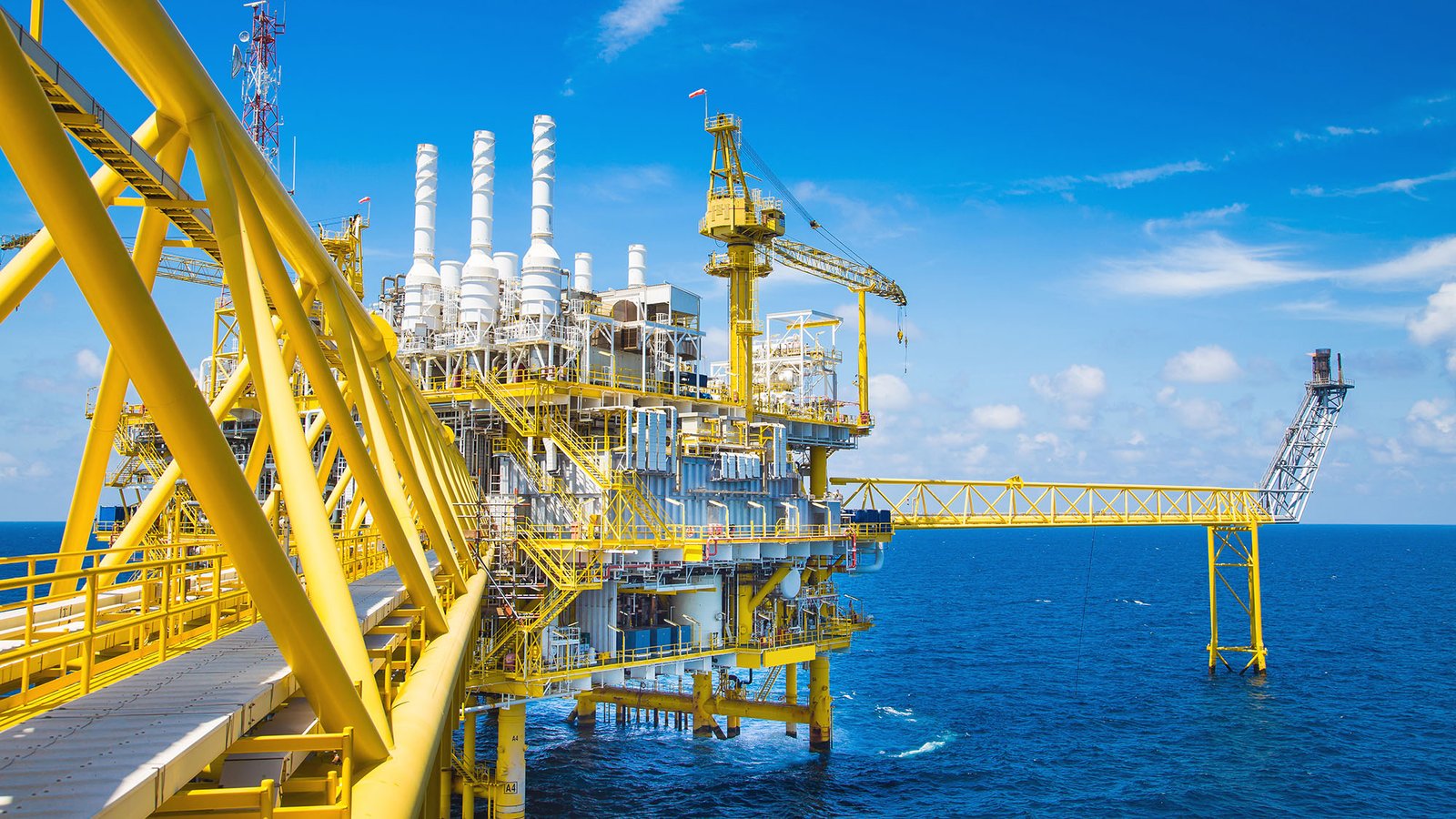
Higher prices have equally strengthened investment appetite across Africa’s upstream sector, particularly in Namibia, Angola, Mozambique and Nigeria, where several exploration and development projects are progressing.
The improved pricing environment has also enhanced the commercial attractiveness of deepwater developments, mature field redevelopment programmes and enhanced oil recovery projects.
However, the gains have not come without significant challenges.
For African countries that depend heavily on imported petroleum products—including Kenya, Ethiopia, Morocco, Senegal, Rwanda and several others—the conflict has translated into higher import bills, increased transportation costs and rising inflation.
Although crude prices have moderated from the immediate post-conflict spike, petroleum product prices remain elevated in many African economies due to currency depreciation, logistics costs and limited refining capacity.
Analysts also point to rising natural gas prices and shipping insurance premiums as additional consequences of geopolitical tensions, factors that continue to affect electricity generation costs, manufacturing and food production across the continent.
The conflict has also reinforced Africa’s growing importance in global energy security.
With buyers seeking to diversify crude supply sources away from the Middle East, African producers have become increasingly attractive suppliers for Europe and parts of Asia. Nigerian, Angolan and Algerian crude grades have witnessed stronger international demand, while African LNG exporters have continued to benefit from Europe’s search for reliable gas supplies.
For Nigeria, the situation presents a strategic opportunity beyond higher oil prices.
The commencement of operations at the 650,000 barrels-per-day Dangote Petroleum Refinery has significantly reduced dependence on imported petrol, enabling the country to capture greater value from its crude production. If domestic refining continues to expand alongside increased crude output, Nigeria could improve energy security while strengthening export earnings from refined petroleum products.
Nevertheless, economists caution that geopolitical gains are often temporary.
They argue that Africa’s long-term prosperity cannot depend on conflicts that temporarily elevate oil prices. Instead, governments should use the additional revenues to diversify their economies, expand infrastructure, strengthen sovereign wealth funds, accelerate gas development and invest in renewable energy.
The current market indicators also suggest that global oil prices remain vulnerable to changing geopolitical developments. Brent crude at $78.80 per barrel, WTI at $75.07, Murban crude at $77.51, and the OPEC Basket at $79.50 indicate a market that continues to price in geopolitical risks while balancing expectations of adequate global supply.
For African producers, the message is clear: the US-Iran conflict has created an economic window of opportunity through relatively firm oil prices. Whether the continent converts that opportunity into sustainable economic development will depend less on geopolitical events and more on domestic policy reforms, increased investment, production efficiency and prudent management of oil revenues.