
U.S.-Iran conflict keeps oil market on edge as Brent nears $96 per barrel
By Eyo Nsima
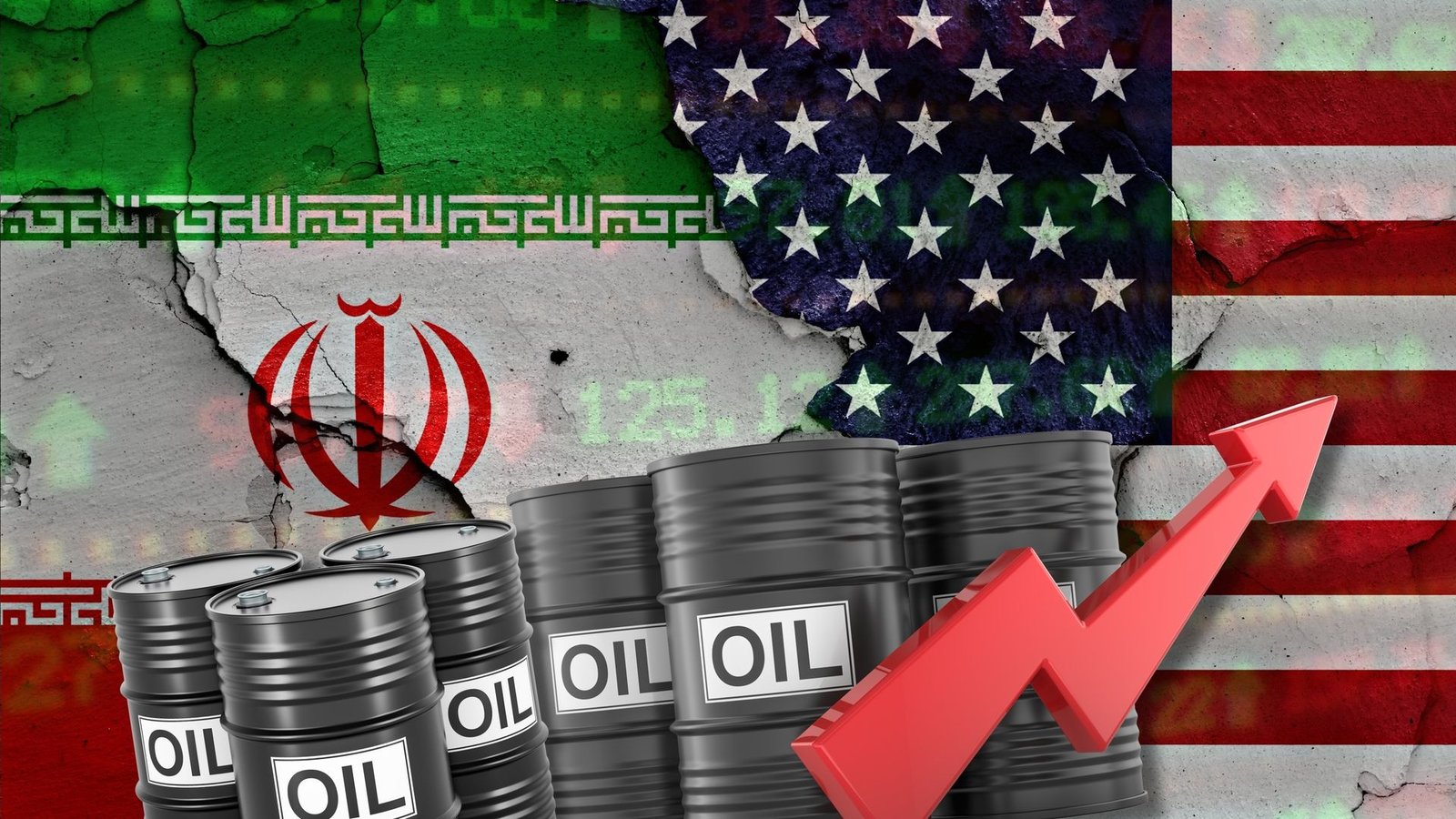
The continuing conflict between the United States and Iran is keeping global oil markets on edge, with crude prices remaining elevated amid fears of supply disruptions in the Middle East, one of the world’s most important oil-producing regions.
Market data on Thursday showed Brent crude, the global oil benchmark, rising 1.71 per cent to $95.68 per barrel, while West Texas Intermediate (WTI) gained 1.36 per cent to $88.01 per barrel.
Other key benchmarks also recorded gains. Murban crude rose 1.75 per cent to $91.04 per barrel, while the OPEC Basket stood at $88.50 per barrel. Refined product benchmarks also moved higher, with gasoline futures increasing 0.89 per cent to $3.445 per gallon and heating oil advancing 1.09 per cent to $4.194 per gallon.
The sustained rise in oil prices reflects growing concerns among traders that any escalation in hostilities involving Iran could disrupt crude oil production or shipping through the Strait of Hormuz, the strategic waterway through which roughly one-fifth of global oil trade passes.
Although there has been no major disruption to oil exports so far, the geopolitical risk premium built into crude prices has continued to support the market.
Analysts said energy traders are closely monitoring developments in the Gulf, where any threat to oil infrastructure, export terminals or shipping routes could tighten global supply and drive prices even higher.
The higher crude prices are already filtering into refined petroleum markets, increasing the cost of petrol, diesel and aviation fuel worldwide.
For oil-importing countries, the development is expected to raise fuel import bills, widen inflationary pressures and increase transportation and manufacturing costs.
Nigeria faces mixed fortunes
For Nigeria, Africa’s largest crude producer, the conflict presents both opportunities and challenges.
On the positive side, stronger oil prices could boost crude export earnings, increase government revenue and improve foreign exchange inflows if the country maintains production levels.
Nigeria’s 2026 budget is heavily dependent on oil receipts, meaning sustained prices close to $96 per barrel could provide additional fiscal relief.
However, the benefits could be offset by rising domestic fuel prices under the country’s deregulated downstream petroleum market.
Already, petroleum marketers have increased depot and retail petrol prices following higher international crude prices, with Dangote Petroleum Refinery recently raising its ex-depot petrol price while filling stations adjusted pump prices upward.
The increase in global crude prices also raises the cost of crude supplied to domestic refineries, potentially leading to further increases in petrol, diesel and aviation fuel prices.
Africa’s fuel import challenge
The impact is expected to be more severe across Africa, where many countries depend heavily on imported refined petroleum products.
Higher crude prices increase refinery feedstock costs, freight charges and insurance premiums, resulting in more expensive imports of petrol and diesel.
Countries across West, East and Southern Africa that rely on imported fuels could therefore face higher energy costs, rising transport fares and increased food prices.
Airlines may also experience higher aviation fuel costs, while industries dependent on diesel-powered generators are likely to see increased operating expenses.
Market outlook
Oil analysts believe prices will remain volatile as long as geopolitical tensions persist between Washington and Tehran.
Any escalation capable of disrupting oil exports from the Gulf could push Brent crude above the $100 per barrel threshold, while signs of de-escalation or improved diplomatic engagement could ease supply concerns and moderate prices.
For now, the global oil market continues to price in geopolitical uncertainty, with refiners, fuel marketers and consumers around the world closely watching developments in the Middle East.
With Brent crude approaching $96 per barrel, the U.S.-Iran conflict remains one of the most significant drivers of global energy prices, underscoring how geopolitical tensions continue to shape fuel costs, inflation and economic performance far beyond the Middle East.