
Experts Urge Stronger Fish Health Management as Climate Change, Diseases Threaten Fisheries
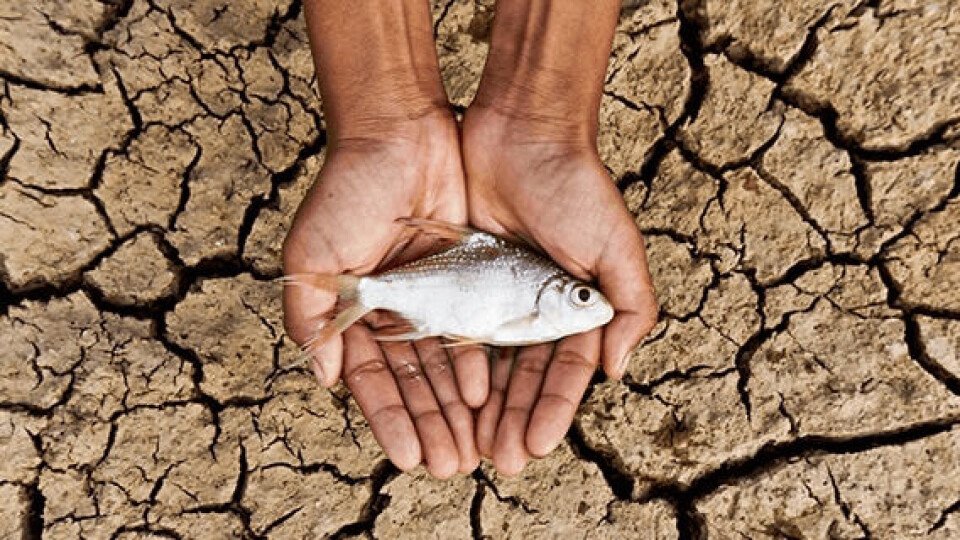
Fishery experts have called for stronger fish health management, improved biosecurity and climate adaptation measures as rising temperatures, prolonged dry seasons and emerging fish diseases continue to threaten fisheries and aquaculture worldwide.
The warning comes as the Institute of Fisheries Management (IFM) expanded its fisheries guidance and best-practice manuals to help fish farmers, fishery managers and governments reduce fish mortality, improve productivity and protect aquatic ecosystems.
The institute said effective fishery management has become increasingly important as climate change, disease outbreaks and invasive species place growing pressure on freshwater fisheries and aquaculture.
Climate change raises new risks
According to the guidance, extreme weather events—including prolonged heatwaves, acute hot weather, droughts and intense thunderstorms—are becoming major challenges for fish production.
High temperatures reduce oxygen levels in water bodies, causing stress among fish and increasing the likelihood of mass mortalities.
Similarly, prolonged dry weather lowers river flows and water levels in ponds and reservoirs, reducing habitat quality and increasing competition for oxygen.
To address these risks, the institute has developed guidance covering:
Managing fisheries during acute hot weather.
Responding to prolonged dry conditions.
Winter fishery management.
Fish stocking practices.
Fishery maintenance.
Fisheries conservation and nature management.
Biosecurity measures.
Experts say timely management actions during extreme weather can significantly reduce production losses.
Biosecurity takes centre stage
The IFM emphasised that biosecurity remains one of the most effective tools for preventing the spread of fish diseases.
The institute urged fish farmers and fishery managers to strengthen routine health monitoring, control fish movements and adopt strict hygiene measures when introducing new fish into farms or natural water bodies.
The guidance also provides procedures for responding to fish mortality incidents and managing disease outbreaks before they spread to neighbouring fisheries.
According to the institute, prevention remains far less expensive than responding to widespread disease outbreaks.
Disease surveillance critical
Supporting the IFM guidance, the Environment Agency’s National Fisheries Laboratory continues to provide disease monitoring and surveillance aimed at preventing the spread of fish pathogens.
The laboratory also conducts fish ageing services and offers expert advice on invasive and non-native fish species.
Its guidance covers a broad range of fish health issues, including:
Viral diseases
Among the viral threats identified are:
Koi Herpes Virus (KHV).
Carp Edema Virus.
Carp Pox.
Anguillid herpesvirus.
EVEX.
These diseases can cause significant economic losses in commercial aquaculture if not detected early.
Parasites
The guidance also addresses common parasites affecting fish populations, including:
Whitespot disease.
Blackspot.
Leeches.
Chilodonella.
Ichthyobodo necator.
Gyrodactylus species.
Myxosporidean parasites.
Several invasive parasites capable of spreading rapidly across water bodies are also highlighted.
Bacterial and fungal infections
Fish farmers are also advised to monitor bacterial infections and fungal (oomycete) diseases, both of which often become more prevalent when fish are stressed by poor water quality or changing environmental conditions.
Protecting inland fisheries
The guidance emphasises careful planning before moving fish between rivers, lakes and ponds.
Health checks prior to stocking inland waters are considered essential to prevent accidental transmission of diseases and invasive species.
Experts say improved regulation of fish movements could significantly reduce future outbreaks.
Managing invasive species
The institute also highlighted the growing threat posed by non-native fish species.
Without effective monitoring, invasive species can outcompete indigenous fish populations, disrupt aquatic ecosystems and reduce biodiversity.
Proper identification and monitoring of invasive species are therefore considered essential components of sustainable fisheries management.
Lessons for Nigeria and Africa
Although the guidance was developed primarily for fisheries management, many of the recommendations are highly relevant to Nigeria and other African countries where aquaculture is expanding rapidly.
Africa’s fish farming industry continues to face challenges including:
Disease outbreaks.
Poor biosecurity.
Climate-related water shortages.
Rising temperatures.
Limited fish health surveillance.
Weak extension services.
Industry analysts say adopting stronger fish health management practices could improve fish survival rates, reduce production losses and increase investor confidence in the sector.
For Nigeria, where aquaculture is expected to play a key role in achieving food security and reducing fish imports, strengthening disease surveillance and improving farmer awareness could significantly boost domestic fish production.
Sustainable fisheries require continuous investment
The IFM stressed that sustainable fisheries management extends beyond fish production to include habitat conservation, responsible stocking, disease prevention and environmental stewardship.
The institute encourages continuous professional training for fishery managers, stronger collaboration among regulators, researchers and fish farmers, and greater investment in science-based fisheries management.
Looking ahead
As climate change continues to reshape aquatic ecosystems and new fish diseases emerge, experts believe proactive management will become increasingly important.
Improved biosecurity, early disease detection, better environmental monitoring and climate-resilient fishery practices are expected to play a central role in protecting fish stocks, supporting aquaculture growth and strengthening food security in Nigeria, Africa and beyond.