
Cooking gas hits ₦1,600/kg as NALPGAM warns against unsafe practices
By Eyo Nsima
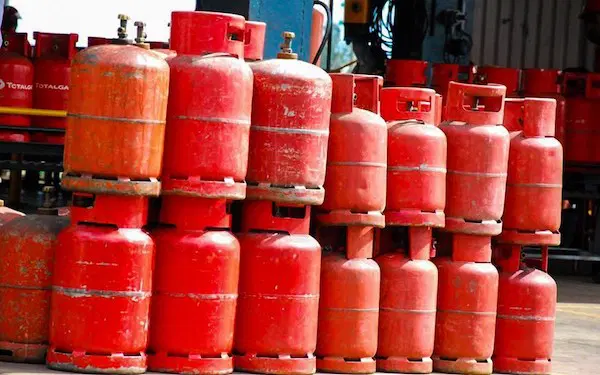
The average price of Liquefied Petroleum Gas (LPG), also known as cooking gas, rose by seven per cent to ₦1,600 per kilogramme in September 2026 from ₦1,500 in August, prompting marketers to demand urgent government intervention to stabilise supply and improve affordability.
The Nigerian Association of Liquefied Petroleum Gas Marketers (NALPGAM) made the call at the Downstream LPG Operational Excellence and Compliance Webinar on Thursday, October 15, urging the Federal Government and industry stakeholders to address supply shortages, distribution bottlenecks and rising operating costs.
The association also warned against unauthorised propane blending, unsafe cylinder handling and roadside gas filling, stressing that increased LPG consumption must be matched by stronger safety standards and regulatory compliance.
NALPGAM National President, Barrister Edu Inyang, said expanding consumption without adequate safeguards could expose consumers and operators to serious risks.
“The future we desire for this sector cannot be achieved by increasing volumes alone, but we must increase volumes safely, responsibly, efficiently and sustainably,” he said.
The association urged the Federal Government, the NNPC Limited, the Nigerian Midstream and Downstream Petroleum Regulatory Authority (NMDPRA) and terminal operators to strengthen domestic supply and improve distribution efficiency.
According to NALPGAM, a 20-metric-tonne truckload of LPG now costs between ₦25.2 million and ₦26.2 million, depending on the location.
It attributed price volatility to international market prices, foreign exchange fluctuations, supply constraints, transportation costs and inadequate storage infrastructure.
The Chief Executive Officer of NALPGAM, Bassey Essien, said domestic supply arrangements must be commercially attractive enough to encourage marketers to prioritise the Nigerian market rather than export products to earn foreign exchange.
Representing the Coordinating Director of the Decade of Gas Secretariat, Ed Ubong, the secretariat’s Infrastructure and Upstream Lead, Ogbeni Taofeeq Balogun, said meeting the country’s gas consumption targets would require increased production, expanded storage capacity, efficient transportation and wider distribution networks.
He also emphasised the need to improve public awareness and access to cleaner cooking fuel.
The Federal Government’s Decade of Gas Initiative aims to increase annual domestic LPG consumption from approximately 1.6 million tonnes to five million tonnes by 2030, while connecting five million households to the fuel.
In his presentation, the NMDPRA Assistant Director, Health, Safety and Environment, Engr. Amos Oliver Birebo, called for stronger collaboration between regulators and operators, improved personnel training, preventive maintenance and the deployment of modern safety systems.
However, the Minister of State for Petroleum Resources (Gas), Ekperikpe Ekpo, has directed the NMDPRA to intensify its crackdown on operators suspected of hoarding or diverting cooking gas amid recent price increases.