
Namibia raises petrol price by N$1.50, secures N$220.5m fuel saving
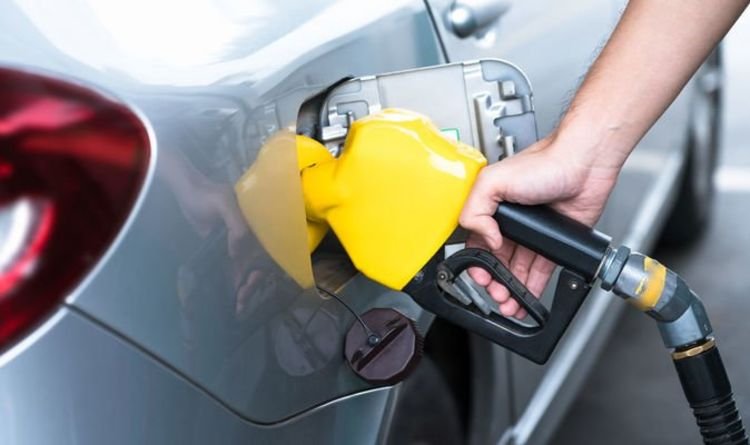
Namibia will increase the pump price of petrol by N$1.50 per litre from October 7, 2026, while keeping diesel prices unchanged, following sharp increases in international petroleum prices.
Minister of Industries, Mines and Energy, Modestus Amutse, announced the decision Friday, assuring consumers that the country has adequate fuel stocks and faces no immediate supply shortage.
“The Ministry wishes to reassure the nation that Namibia currently maintains adequate fuel stocks and that there are no immediate risks of fuel shortages in the country,” Amutse said.
Under the October review, petrol 95 will rise to N$26.58 per litre at Walvis Bay, while diesel 50ppm remains at N$27.86 per litre and diesel 10ppm at N$27.96 per litre.
Amutse said the increase was driven by higher international product prices, shipping costs, a weaker Namibia dollar and restrictions on diesel exports by some major countries.
“Overall, the combination of higher international product prices and the weaker Namibia Dollar increased the landed cost of petroleum products and placed an upward pressure on domestic fuel prices,” he said.
The average international price of petrol 95 rose 19.27 per cent to $148.364 per barrel between September 1 and 25, from $124.390 in August.
Diesel 50ppm increased 13.60 per cent to $182.413 per barrel from $160.586, while diesel 10ppm rose 13.52 per cent to $183.311 from $161.484.
Despite the increase, the government said its Bulk Petroleum Import Coordination (BPIC) mechanism was helping reduce the cost burden on the economy.
Amutse said emergency fuel supply arrangements with Vitol between July and October eliminated premiums that would otherwise have been paid above the Basic Fuel Price (BFP).
“We estimate that additional premiums on top of the BFP for the period July–October 2026 were going to lead to a loss of about N$400 million to N$700 million at the macroeconomic level,” he said.
“In other words, this is money that the Government has managed to keep in the pockets of Namibians through these emergency fuel supply arrangements.”
For November 2026 to January 2027, the government conducted a competitive bulk fuel procurement process involving four domestic oil companies and their strategic partners.
TotalEnergies Marketing Namibia and its trading partner, TOTSA, emerged as the successful bidders with a weighted net discount of 63.85 Namibian cents per litre below the BFP.
Amutse said the deal would generate savings of approximately N$220.5 million.
“In monetary terms, this amounts to a saving of approximately N$220.5 million at the macroeconomic level,” he said.
He cautioned, however, that the discount should not be interpreted as an automatic reduction in pump prices.
“A discount on the BFP does not necessarily mean that fuel prices will decrease at the pumps because the BFP is mainly based on the product cost per barrel, the exchange rate between the N$ and the USD and shipping costs,” Amutse said.
“The BFP can be anything, depending on oil market developments. It can be N$2, or N$10, or even N$25.”
He said the discount would apply regardless of the level of the BFP during the three-month supply period.
“All we do know is that whatever those numbers are, we will make a total saving of approximately N$220.5 million on those numbers,” he said.
Amutse said Namibia would benefit further if international fuel prices decline.
“In a scenario where the BFP happens to fall, Namibia will benefit twice in terms of a fall in pump prices and an extra saving on top due to the discount on the BFP,” he said.
The minister said the government would continue using the National Energy Fund and BPIC mechanism to cushion consumers against international oil market shocks.
“Namibia is a net importer of all petroleum products and has limited control over the movements in international oil market prices,” Amutse said.
He said the government would continue monitoring international market developments while maintaining fuel supply and limiting the impact of price volatility on consumers and critical sectors of the economy.