

Syria fuel crisis: Crude wealth is no energy security
By Eyo Nsima
Syria’s latest fuel crisis should serve as a warning to Nigeria and other countries exposed to disruptions in global oil and petroleum-product markets.
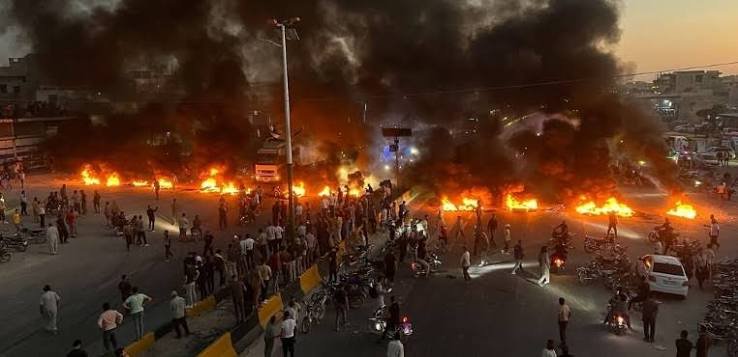
Syria’s decision to raise diesel prices by 40 per cent and gasoline prices by up to 28 per cent has triggered protests, road blockades and disruptions to fuel distribution. The crisis demonstrates how quickly disruptions in supply can become an economic and social problem.
Syria produces about 102,000 barrels per day (bpd), compared with domestic demand of roughly 325,000 bpd. Its supply deficit has made the country dependent on imports, leaving it vulnerable to international market disruptions.
The situation has been compounded by disruptions to Russian refining operations, restrictions on Russian petroleum-product exports and the three-month shutdown of Syria’s Baniyas refinery for maintenance.
The consequences are significant. Higher diesel and gasoline prices increase transportation and business costs and eventually feed into the prices of food and other essential goods. In economies where household incomes are already under pressure, such increases can quickly generate public discontent.
The country is a major crude oil producer, but its downstream sector has historically been exposed to international market movements because of limited domestic refining capacity. The emergence of the Dangote refinery and the rehabilitation of government-owned refineries provide an opportunity to reduce that exposure.
However, the success of this transition will depend on more than refinery capacity. Reliable crude supply, efficient operations, functional pipelines and terminals, adequate storage and effective distribution are essential to ensuring that domestic refining delivers tangible benefits to consumers.
This is particularly important as international crude prices remain above $100 per barrel. Any prolonged geopolitical crisis, refinery outage or shipping disruption could raise the cost of petroleum products and place additional pressure on Nigerian consumers and businesses.
The impact would extend across the economy. Petrol and diesel price increases can raise transport and logistics costs, increase production expenses for manufacturers and farmers, and add to the cost of electricity generation where businesses depend on diesel-powered generators.
Other African countries that rely heavily on imported refined products are equally vulnerable. A major disruption to global refining or shipping could increase their import bills, weaken foreign-exchange positions and intensify inflation.
Syria’s plan to expand Baniyas refinery capacity from 80,000 bpd to 130,000 bpd after its maintenance programme reinforces the importance of developing domestic refining infrastructure.
For Nigeria, the priority should be to increase crude production while ensuring that domestic refineries have sufficient feedstock and the infrastructure required to operate efficiently.
The broader lesson is clear: oil-producing countries must build resilience across the entire energy value chain. Producing crude without sufficient capacity to refine and distribute petroleum products leaves economies vulnerable to external shocks.
Nigeria has an opportunity to avoid that trap. Sustained investment in production, refining, transportation and storage can turn its crude resources into greater energy security and economic stability.
The Syrian crisis should therefore be viewed not merely as a foreign fuel-price problem, but as a reminder of the cost of inadequate energy resilience.