
Angola’s oil turnaround offers Africa a blueprint for energy development — Ayuk
By Eyo Nsima
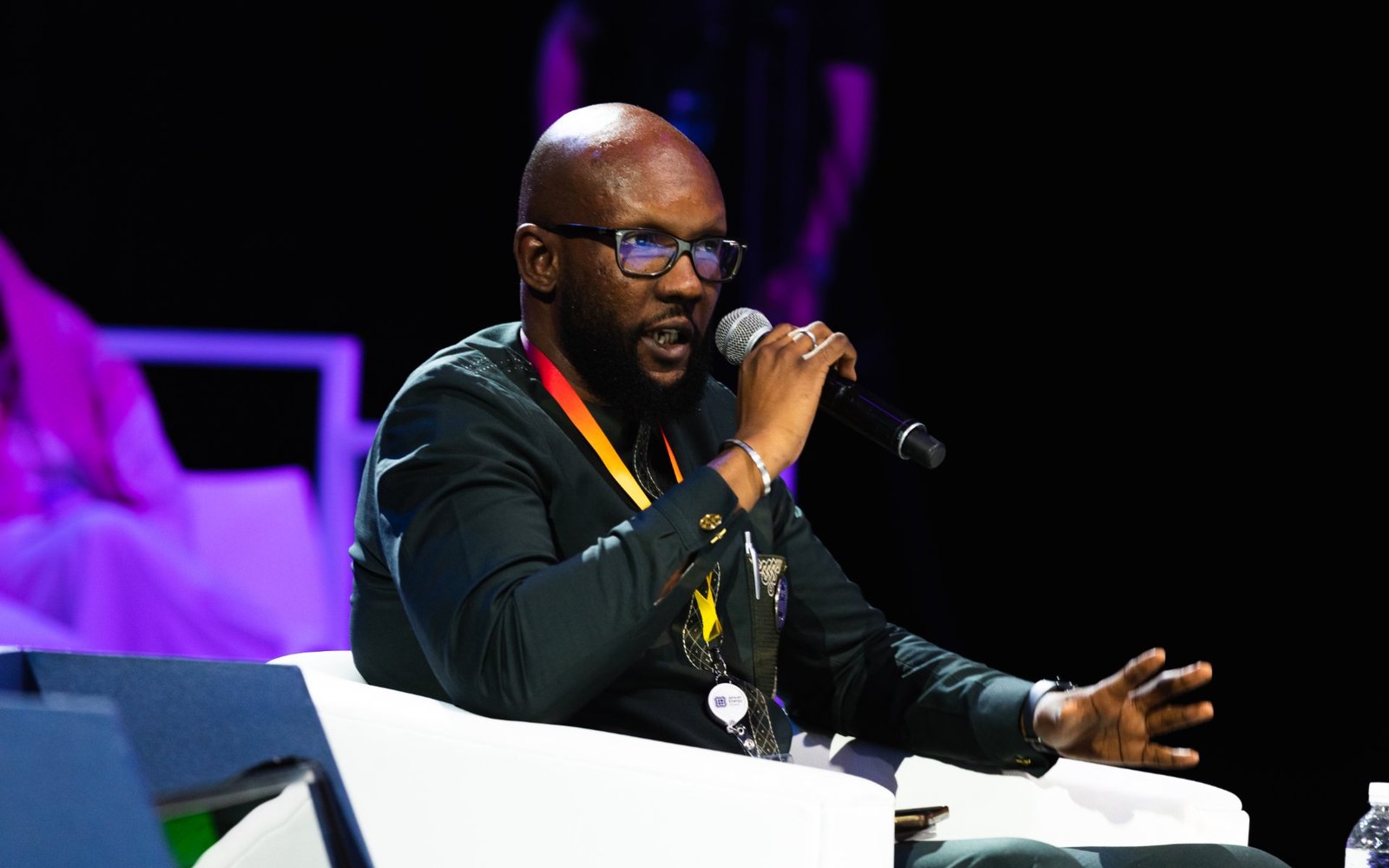
Angola’s transformation of its oil and gas industry has demonstrated that disciplined reforms, strong institutions and effective execution can restore investor confidence and attract billions of dollars in new capital, Executive Chairman of the African Energy Chamber, NJ Ayuk, has said.
Ayuk spoke against the backdrop of the September 2 launch in Luanda of Crude Oil: Power, Turnaround and Transformation in Angola, describing the publication as more than a book launch but a record of the country’s ongoing energy-sector turnaround.
According to him, “Angola is not merely adjusting to the future of energy; it is helping define it.”
He said the country’s progress under President João Lourenço and Minister of Mineral Resources, Oil and Gas Diamantino Azevedo showed that “disciplined reform can restore credibility, attract capital, and rebuild an industry that remains central to national development.”
Ayuk also credited the National Oil, Gas and Biofuels Agency (ANPG) and Sonangol for helping Angola move away from legacy constraints towards a “more competitive, transparent, and investment-ready upstream sector.”
He pointed to fresh investment commitments as evidence that the reforms are beginning to deliver tangible results.
“In 2026, Angola has continued to secure new commitments across its oil and gas landscape, including the $5.1 billion Greater PAJ offshore project involving Azule Energy, Equinor, ANPG and Sonangol,” he said.
He added that further agreements and acreage positions involving major international operators, including Shell, ExxonMobil, TotalEnergies and Afentra, demonstrated that investors were taking Angola’s renewed oil and gas ambitions seriously.
“These are not symbolic gestures. They are evidence that leading international and African operators believe in Angola’s next chapter,” Ayuk stated.
He particularly recognised Adilson Nelumba of Copia Group Of Companies, S.A., saying the support of industry stakeholders reflected a growing coalition committed to documenting Angola’s transformation and building partnerships around its energy future.
“Angola’s reforms are not only working; they are producing confidence, partnerships, and long-term value,” he said.
Ayuk argued that Angola’s experience offers lessons for other African oil and gas producers, particularly as the continent seeks to attract investment while addressing energy poverty and industrialisation.
“Angola has now given Africa a powerful lesson in oil-industry turnaround: reform matters, institutions matter, and execution matters,” he said.
He warned African countries against abandoning their oil and gas resources at a time when the continent still faces major energy and industrialisation challenges.
“The West made the mistake of abandoning the oil conversation too early. Africa cannot afford to repeat that error,” Ayuk said.
He urged African countries to develop their hydrocarbon resources responsibly and use them to strengthen energy security, industrial capacity and economic development.
“The continent must develop its resources responsibly, monetise its hydrocarbons intelligently, and use oil and gas as tools for industrialisation, energy security, and prosperity,” he said.
Ayuk said Angola’s experience showed that the industry was moving “from recovery to expansion, from hesitation to execution,” while positioning the country once again as a serious energy destination.
“Angola is back as a serious energy destination,” he declared, adding that the government’s reform agenda was attracting “real capital and real partners.”
He said the broader lesson for Africa was that the continent must retain the right to determine its own energy future.
“Africa should learn from Angola’s example and defend its right to develop its own energy future,” Ayuk stated.