
US-Iran war hits day 176 as Brent nears $95, Hormuz disruption persists
By Eyo Nsima
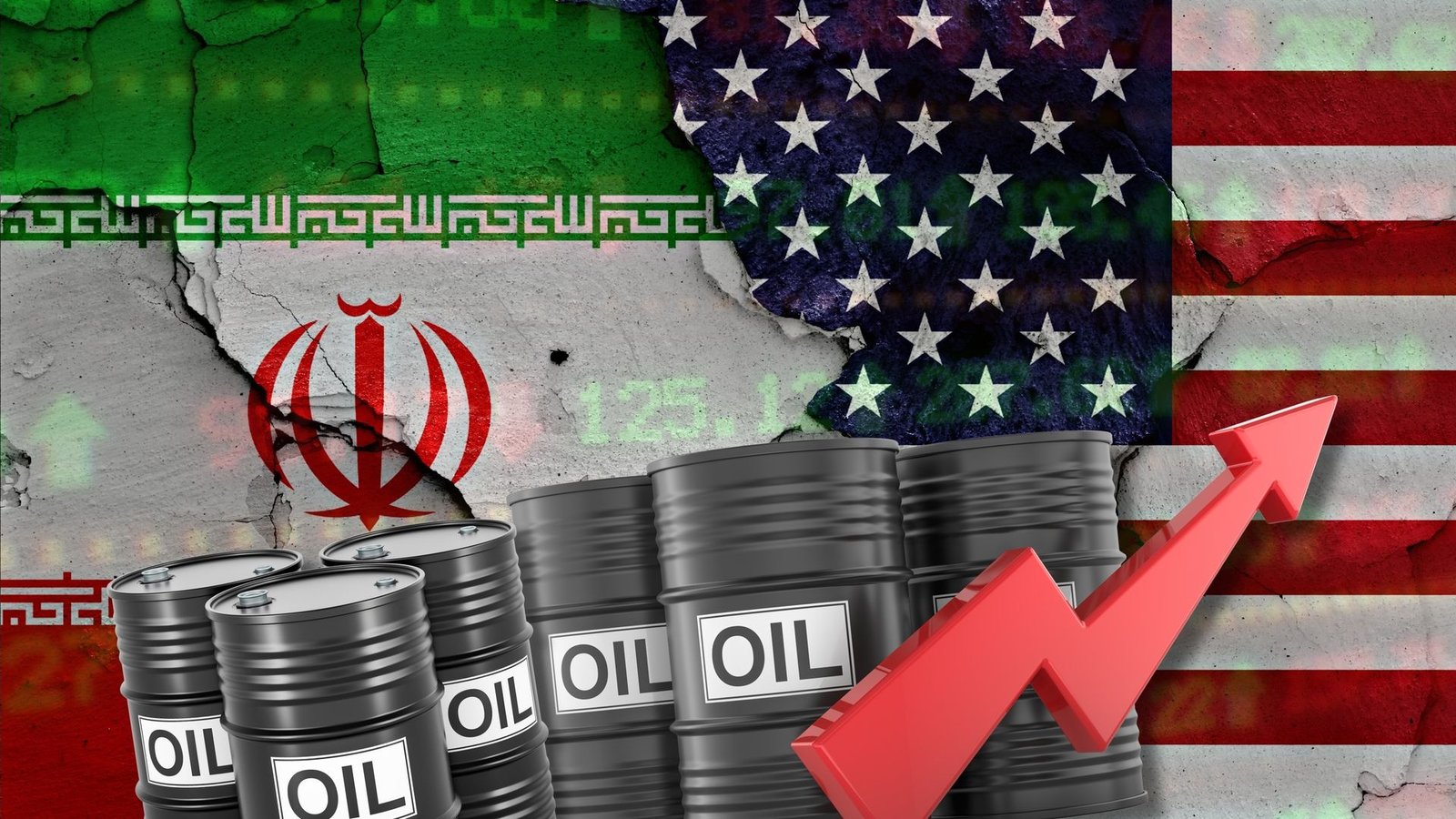
The global oil market has reached Day 176 of the US-Iran war, with crude prices rising as prolonged disruption around the Strait of Hormuz continues to threaten global energy supplies.
Latest market data showed Brent crude at $94.39 per barrel, up 61 cents, or 0.65 per cent, while WTI rose 23 cents to $87.06.
Murban crude climbed 2.39 per cent to $103.50, while the OPEC basket gained 1.72 per cent to $92.84.
The latest gains reflect renewed concerns over supply disruptions following US threats of further sanctions on countries trading with Iran.
The Strait of Hormuz, a critical route for global oil shipments, remains at the centre of market concerns, with traffic significantly below normal levels since the conflict began on February 28.
The prolonged disruption has also pushed up other energy prices. Gasoline rose 2.61 per cent to $3.348, while heating oil gained 0.32 per cent to $4.495. Natural gas increased 1.46 per cent to $2.773.
Despite the disruption, oil prices remain below the $100 mark for Brent, partly reflecting additional supplies from the United States, United Arab Emirates and Venezuela, as well as concerns about global demand.
For Nigeria and other oil-producing economies, the prolonged crisis presents a mixed outlook.
Higher crude prices could boost export earnings and government revenue, but increased shipping, insurance and refined-product costs could raise pressure across domestic energy markets.
At 176 days, the conflict has evolved into a prolonged threat to global energy security, with the direction of oil prices increasingly dependent on developments around Iran, the Strait of Hormuz and efforts to restore diplomatic engagement.