
Editorial: Rising oil prices expose Africa’s unfinished refining agenda
The latest surge in global crude oil prices should serve as another wake-up call for African governments. With Brent crude climbing to nearly $96 per barrel, West Texas Intermediate (WTI) reaching $88.05 per barrel, and gasoline futures also moving higher, the continent is once again confronting the painful reality that it remains highly vulnerable to external shocks in the global energy market.
For Africa, the issue is not simply that oil prices are rising. The deeper problem is that, despite producing millions of barrels of crude oil every day, the continent still imports a substantial share of the refined petroleum products consumed by its people. As a result, every spike in international crude prices translates almost immediately into higher costs for petrol, diesel, aviation fuel and cooking gas.
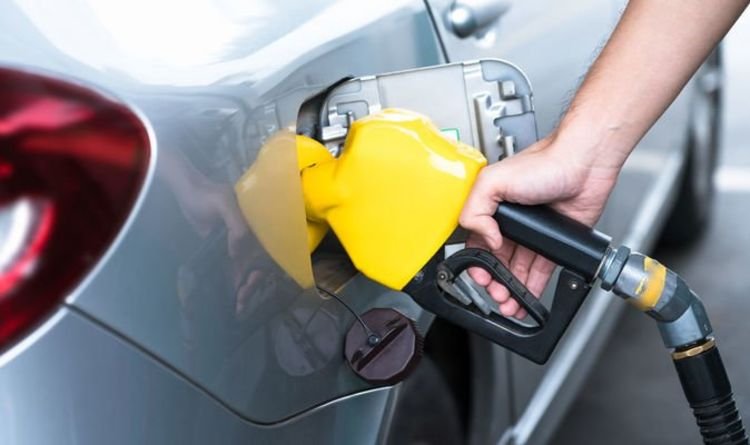
The consequences are already becoming evident. In Nigeria, the increase in crude prices has contributed to higher refinery and depot prices, with Dangote Petroleum Refinery raising its ex-depot petrol price to N1,215 per litre. Independent depots have also increased wholesale prices, while retail pump prices have risen to between N1,300 and N1,400 per litre in many locations.
This pattern is likely to be repeated across the continent. Countries such as Ghana, Benin, Togo, Sierra Leone, Liberia, Kenya, Uganda, Rwanda, Malawi and Zambia rely heavily on imported refined petroleum products. As global crude prices rise, so do refinery feedstock costs, freight charges and insurance premiums. Ultimately, these increases are passed on to consumers.
The effects go far beyond filling stations.
Higher fuel prices increase transportation costs, raise food prices, inflate manufacturing expenses and push up electricity generation costs in countries where businesses and households rely on diesel-powered generators. Airlines face higher aviation fuel costs, while farmers pay more to transport produce to markets. Inflation becomes more difficult to control, purchasing power weakens and economic growth slows.
Ironically, the continent possesses abundant crude oil resources.
Nigeria, Angola, Algeria, Libya, the Republic of Congo and Gabon collectively produce millions of barrels of crude daily, yet many African countries continue to export crude oil only to import refined products at much higher prices. This paradox has persisted for decades despite repeated promises to develop domestic refining capacity.
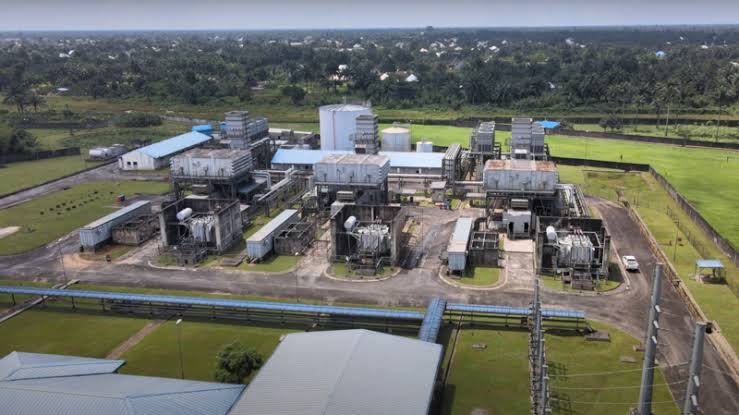
The emergence of large-scale refineries, particularly the Dangote Refinery in Nigeria, represents an important step toward reversing this trend. With a nameplate capacity of 650,000 barrels per day, the refinery has the potential to reduce dependence on imported fuels, improve regional supply security and position Nigeria as a major exporter of refined products within Africa.
However, one refinery alone cannot solve Africa’s energy security challenge.
Governments must accelerate investment in refining infrastructure, storage facilities, pipelines and cross-border distribution networks. Existing refineries require rehabilitation and modernisation, while new projects must be supported with clear regulatory policies and commercially sustainable financing.
Equally important is ensuring reliable access to crude oil for domestic refiners. Recent disputes over crude supply arrangements in Nigeria demonstrate that refining capacity means little if plants cannot obtain sufficient feedstock on competitive terms.
The African Continental Free Trade Area (AfCFTA) offers an opportunity to reshape the continent’s petroleum market. A truly integrated African fuel market would enable countries with refining capacity to supply neighbouring states more efficiently, reduce dependence on distant suppliers and strengthen regional energy security.
African governments should also resist the temptation to rely indefinitely on fuel subsidies whenever international oil prices rise. While subsidies may offer temporary relief, they often impose unsustainable fiscal burdens and discourage investment in refining and energy infrastructure. Long-term solutions lie in increasing domestic production, improving logistics, encouraging competition and expanding strategic petroleum reserves.
The latest rise in global oil prices is another reminder that Africa cannot continue to depend on imported refined products while exporting crude. The continent’s energy future depends not only on producing more oil but also on refining more of it at home.
Until that objective is achieved, every upward movement in Brent crude will continue to reverberate through African economies, increasing inflation, eroding household incomes and slowing economic development.
The lesson is clear: Africa’s greatest energy challenge is no longer crude oil production. It is the ability to convert its own resources into affordable fuels for its people.