
Rising fuel prices in Nigeria signal fresh energy cost pressures across Africa
By Eyo Nsima
The latest increase in petroleum depot prices in Nigeria, Africa’s largest oil producer and biggest fuel market, is expected to reverberate across the continent, with analysts warning that higher crude oil prices and rising refining costs could trigger fresh increases in the prices of petrol, diesel and aviation fuel in many African countries.
An analysis of the Daily Depot Price Intelligence Report for July 22, 2026 showed that Nigerian ex-depot petrol prices now range from N1,215 per litre at Dangote Petroleum Refinery to N1,350 per litre at some private depots, reflecting the impact of rising global crude prices.
The report showed that Dangote Refinery offered the country’s lowest ex-depot price of N1,215 per litre, while Bulk Strategic Reserve in Lagos quoted N1,350 per litre, highlighting the widening gap in wholesale fuel prices.
The increase comes as Brent crude climbed to nearly $94 per barrel, raising the cost of crude feedstock used by refineries around the world.
Impact beyond Nigeria
Energy experts said the development extends beyond Nigeria because many African countries rely heavily on imported refined petroleum products, making them vulnerable to fluctuations in global crude prices.
Countries including Ghana, Benin, Togo, Côte d’Ivoire, Senegal, Sierra Leone, Liberia, Cameroon, Kenya, Uganda, Rwanda, Zambia and Malawi import significant volumes of petrol and diesel to meet domestic demand.
As international crude prices rise, refineries supplying these markets are likely to increase ex-refinery prices, while higher freight and insurance costs could further push up import prices.
For governments that subsidise fuel, the latest increase could widen subsidy bills and place additional pressure on already constrained public finances.
Opportunity for Dangote Refinery
The higher international fuel prices could, however, strengthen the competitive position of Dangote Petroleum Refinery in the African market.
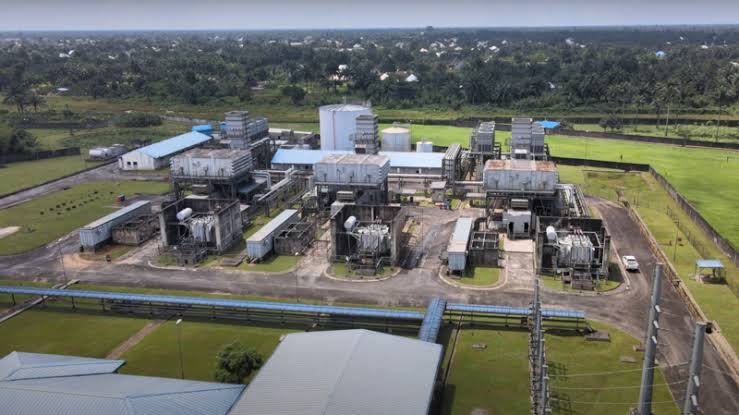
With a capacity of 650,000 barrels per day, the refinery is increasingly supplying petrol, diesel and jet fuel to neighbouring West African countries and could expand exports if its prices remain competitive relative to imported products from Europe, the Middle East and Asia.
The implementation of the African Continental Free Trade Area (AfCFTA) is also expected to facilitate greater intra-African trade in refined petroleum products, positioning Nigeria as a potential regional supply hub.
Inflationary pressure
Economists warned that rising fuel costs could worsen inflation across Africa because petroleum products are central to transportation, electricity generation, manufacturing and agriculture.
Higher diesel prices would increase logistics and production costs, while more expensive petrol could lead to higher transport fares and food prices.
Airlines operating across the continent may also face higher aviation fuel costs, increasing pressure on ticket prices.
Mixed outlook for oil producers
While oil-importing countries are expected to feel the impact of rising fuel costs, oil-exporting nations such as Nigeria, Angola, Algeria, Libya and the Republic of Congo could benefit from stronger export earnings if elevated crude prices are sustained.
However, analysts cautioned that the gains from higher crude prices could be partly offset by higher domestic fuel prices and inflation unless governments increase local refining capacity and improve energy infrastructure.
They noted that the latest price movements reinforce the importance of expanding refining capacity across Africa to reduce dependence on imported fuels and improve energy security.
With crude oil prices approaching $94 per barrel and wholesale fuel prices rising in Nigeria, market watchers expect petroleum product costs to remain under upward pressure across much of Africa in the coming weeks.