

Middle East conflict raises electricity cost risks for African nations reliant on imported LNG – IEA
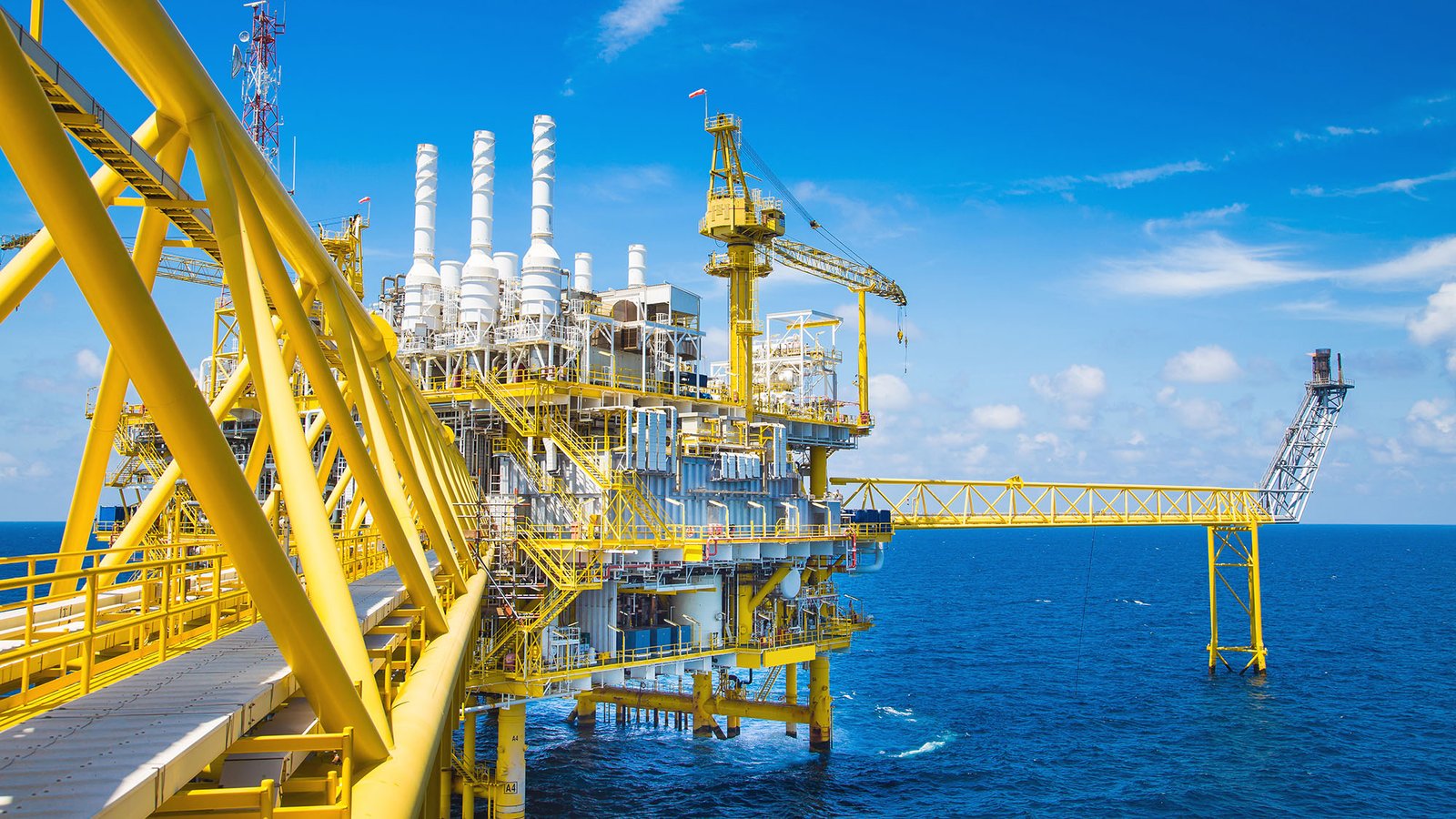
The conflict in the Gulf region and the resulting disruption to liquefied natural gas (LNG) shipments through the Strait of Hormuz are expected to increase electricity costs and heighten energy security concerns for several African countries that depend on imported natural gas, according to the International Energy Agency (IEA).
In its latest Electricity Mid-Year Update 2025, the IEA said the war in the Middle East has emerged as one of the defining factors shaping global energy markets in 2026, pushing up international LNG prices and wholesale electricity prices across many gas-dependent economies.
The agency noted that since hostilities began, Asian spot LNG prices have averaged more than 65 per cent above pre-crisis levels and about 40 per cent higher year-on-year, while European benchmark (TTF) gas prices have remained more than 50 per cent above pre-conflict levels and roughly 65 per cent higher than a year earlier.
Although additional LNG exports from North America and other suppliers have helped cushion the market, the IEA warned that electricity systems dependent on imported gas remain exposed to price volatility and potential supply disruptions.
Implications for Africa
For Africa, the report highlights growing vulnerabilities for countries that import LNG or use natural gas extensively for electricity generation.
Countries such as South Africa, Morocco, Egypt, Ghana, Senegal and Côte d’Ivoire rely on natural gas to varying degrees for power generation. Some also import LNG to supplement domestic supplies, making them susceptible to swings in international gas prices.
Higher LNG prices increase fuel costs for gas-fired power plants, which are often passed on to electricity consumers through higher tariffs or larger government subsidies.
Energy analysts said this could place additional pressure on African governments already grappling with rising debt levels, inflation and constrained public finances.
Nigeria relatively insulated
Nigeria, Africa’s largest natural gas producer, may be less exposed to international LNG price shocks because most of its grid electricity is generated from domestically produced natural gas.
However, experts cautioned that Nigeria is not completely insulated.
Higher international gas prices could encourage producers to prioritise LNG exports where commercial arrangements permit, potentially tightening domestic gas availability unless local supply obligations are strictly enforced.
The report also comes as Nigeria seeks to expand gas-fired electricity generation under its “Decade of Gas” programme while increasing electricity access for households and industries.
Rising costs for import-dependent economies
The IEA observed that wholesale electricity prices have risen sharply in Europe and Asia because gas-fired plants frequently determine electricity prices in those markets.
While wholesale electricity markets are less developed across much of Africa, similar cost pressures could emerge as utilities pay more for imported LNG and gas-fired generation.
Countries with limited domestic gas production could face higher electricity generation costs, increased fuel import bills and greater pressure to raise electricity tariffs.
Higher power costs would also affect manufacturing, mining and other energy-intensive industries, potentially reducing competitiveness and slowing economic growth.
Energy transition gains urgency
The latest market developments reinforce the need for African countries to diversify their electricity mix, according to analysts.
Expanding renewable energy sources such as solar, wind and hydropower would reduce dependence on imported fossil fuels while shielding electricity systems from geopolitical shocks.
Several African countries have accelerated renewable energy investments in recent years, but financing gaps, inadequate transmission infrastructure and regulatory challenges continue to slow deployment.
The IEA noted that countries with larger shares of renewable electricity have generally experienced less severe impacts from higher international gas prices because gas-fired plants play a smaller role in determining electricity prices.
Lessons for Africa
Energy experts said the Gulf crisis underscores the strategic importance of strengthening regional energy cooperation under the African Continental Free Trade Area (AfCFTA).
Greater investment in cross-border electricity interconnections, regional power pools, domestic gas infrastructure and renewable energy projects could reduce Africa’s exposure to global fuel market disruptions.
They also called for increased investment in battery storage, grid flexibility and modern transmission systems to improve electricity reliability and integrate more renewable energy.
With tensions in the Middle East continuing and LNG markets expected to remain tight through the second half of 2026, analysts believe African governments will need to accelerate efforts to build more resilient and diversified electricity systems capable of withstanding future geopolitical shocks.